




The Core of the Announcement
During a visit to Egypt, Commerce and Industry Minister Piyush Goyal stated that India is facing an acute shortage of civilian aircraft. He revealed that on top of the more than 1,200 planes already on order by Indian carriers, the country is ready to order another
1,000 to meet soaring demand. Goyal emphasized that the government is actively pursuing major manufacturers like Airbus and Boeing to expedite deliveries, highlighting that a larger fleet is crucial for expanding international routes, including improving direct connectivity with nations like Egypt.
India’s International Aviation Paradox
India is the third-largest aviation market in the world, yet a curious paradox lies at its heart. While domestic air travel is booming, Indian airlines carry less than half of the country's international passenger traffic. For the financial year ending in March 2026, foreign carriers held a majority share of 55.6% of the international traffic to and from India, leaving Indian airlines with 44.4%. This means that for most overseas journeys, Indian travellers are more likely to fly with a foreign airline, often transiting through hubs like Dubai, Doha, or Singapore. This reliance on foreign hubs is precisely what the government and Indian airlines want to change.
The Wide-Body Aircraft Gap
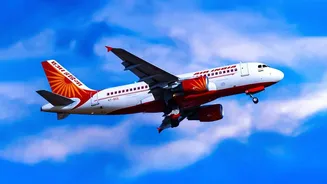
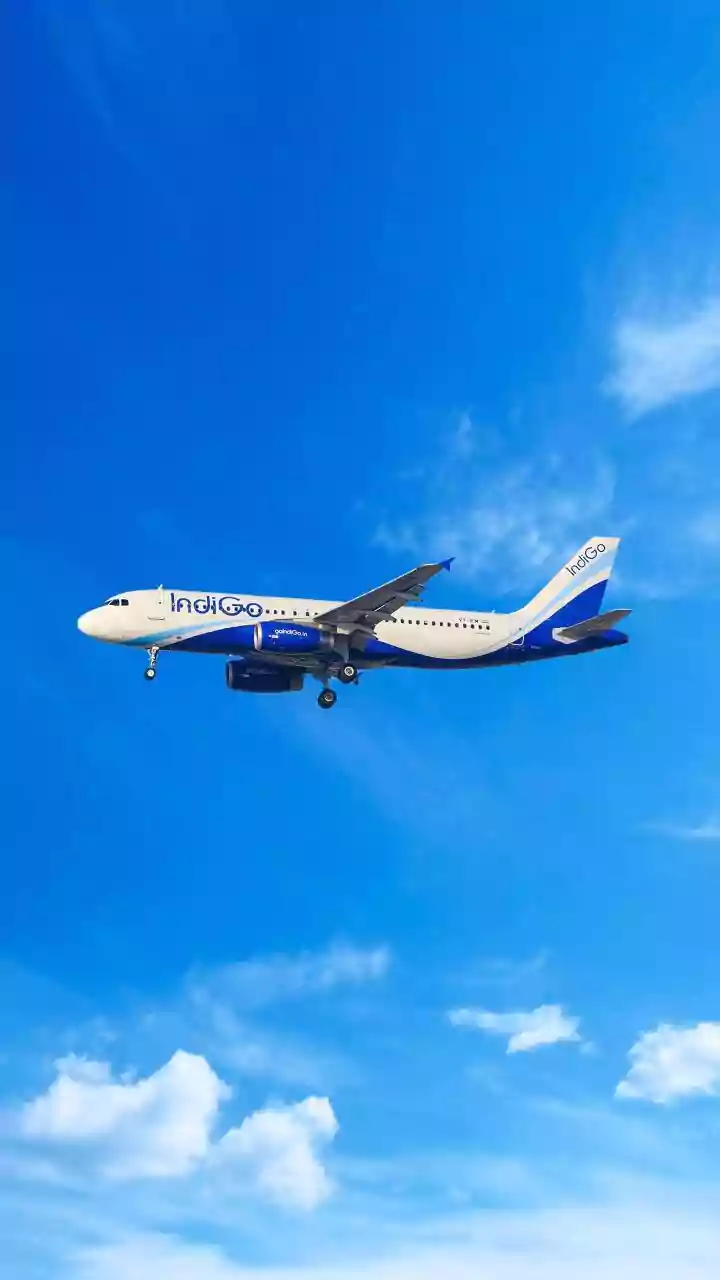
The key to capturing a larger share of the international market lies in having the right equipment. Long-haul flights to destinations in Europe, North America, and Australia require wide-body aircraft—larger planes with two aisles, like the Boeing 787 or Airbus A350. Historically, Indian carriers have operated fleets dominated by narrow-body planes, which are perfect for the massive domestic market and short-haul international routes but cannot fly non-stop to distant continents. This fleet composition has been a significant factor in the dominance of international carriers on lucrative long-haul routes. Recognizing this, airlines like Air India and IndiGo have placed substantial orders that include a significant number of wide-body jets to close this gap.
Building India as a Global Hub
The push for more aircraft is a critical component of a grander vision: to establish India as a global aviation hub. The government has initiated a 'Hub and Spoke' model to achieve this. The plan involves developing four major hub airports—starting with Delhi—and connecting them to 40 smaller 'spoke' airports across the country. This strategy allows a passenger from a city like Amritsar or Varanasi to check in their luggage and clear immigration at their home airport before taking a short domestic flight to a hub like Delhi, where they can seamlessly connect to a long-haul international flight. This model aims to keep Indian passengers within an Indian airline network for their entire journey, strengthening airlines and reducing the country's dependence on foreign hubs.
Hurdles on the Runway
Acquiring over a thousand new planes is not a simple task. Global supply chain issues and manufacturing backlogs mean that some aircraft ordered today may not be delivered until as late as 2034. Beyond procurement, the Indian aviation sector faces other significant challenges. These include some of the highest taxes on Aviation Turbine Fuel (ATF) in the world, which makes operations costly, infrastructure bottlenecks at major airports, and a persistent shortage of skilled pilots and maintenance engineers. The government is working to address some of these issues, including exploring better financing and leasing options to make aircraft acquisition easier for airlines.