






A Garden Reborn in Rain
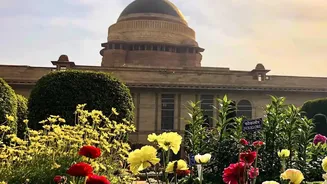
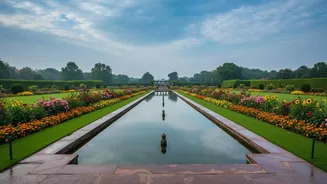
While Amrit Udyan is famous for its spring bloom, the monsoon unveils a different, quieter magic. The 15-acre expanse, a blend of Mughal and English landscaping, transforms into a lush, green paradise. The scent of wet earth mixes with the fragrance of rain-kissed
flowers, and the sound of drizzle provides a tranquil soundtrack to your stroll. This seasonal opening, known as Udyan Utsav-II, focuses on summer annuals and native plants that thrive in the humid weather, offering a completely different palette of colours and textures compared to the tulips and roses of February. The rain washes the landscape clean, making the greens more vibrant and the red sandstone pathways glow.
Udyan Utsav-II: What's in Bloom?
The Summer Annuals Edition 2026 is a celebration of India's indigenous floral diversity. Visitors can expect to see a vibrant display of monsoon-friendly flowers. Look out for beds of balsam (Gul-Mehndi), celosia, cosmos, and zinnias, which add a riot of colour. The collection features native species like Aparajita, Rukmini, and Varsha Phool, highlighting India's rich botanical heritage. New attractions this year include the Babbling Brook Garden, designed as a peaceful retreat with flowing water, and a floral clock. The entire garden is a living showcase of plants that can withstand Delhi's climate, offering a unique and educational experience.
Planning Your Visit: The Essentials
Visiting Amrit Udyan requires some advance planning. The garden is open to the public from August 16 to September 15, 2026. It welcomes visitors from 10 am to 6 pm, with the last entry at 5 pm, and remains closed every Monday for maintenance. Entry is free of charge, but online booking is mandatory. You must reserve your time slot in advance via the official Rashtrapati Bhavan website, as there is no on-the-spot booking facility. Visitors enter and exit through Gate No. 35 on North Avenue Road. For convenience, a shuttle bus service runs every 30 minutes from Central Secretariat Metro Station to the entry gate.
Tips for the Perfect Monsoon Stroll
To make your visit enjoyable, a few tips can go a long way. Wear comfortable, non-slip footwear suitable for walking on wet pathways. Carrying an umbrella is a must, and it is permitted inside. While mobile phones are allowed, larger bags, cameras, and food items are not. You can carry a small purse or handbag and a water bottle. To avoid crowds, consider visiting on a weekday. The garden has amenities like drinking water, first-aid posts, and restrooms along the route, with rain shelters provided for protection during a downpour. Also, keep an eye out for special entry arrangements on National Sports Day (August 29) for sportspersons and Teachers' Day (September 5) for teachers.
More Monsoon Greenery in Delhi
Once you've experienced the splendour of Amrit Udyan, let it be the start of a monsoon garden tour. Lodhi Garden, with its historic tombs and 90 acres of lush greenery, is another magical spot during the rains. The combination of history and nature makes it a photographer's paradise. For a more structured landscape, head to Sunder Nursery, often called Delhi's Central Park. This restored heritage park, with its Mughal-style fountains and lily ponds, is particularly stunning after a fresh shower. The Garden of Five Senses and the wilder Delhi Ridge also offer unique monsoon experiences, proving that the rainy season is the perfect time to explore the capital's green lungs.