







The Old Security Playbook Is Not Enough
For years, festival security has relied on a familiar script: barricades, frisking at entry points, and uniformed guards. While these measures are essential, they represent an outdated approach to the complex challenges of today’s large-scale gatherings.
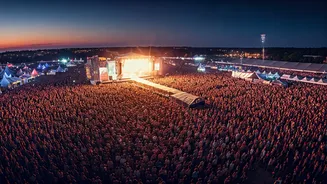
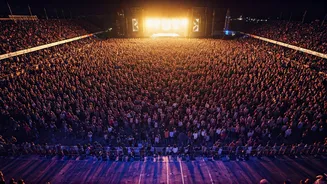
Tragic incidents worldwide, from crowd crushes to medical emergencies, have shown that this traditional model is often reactive rather than proactive. Crowds in the tens of thousands, or even lakhs, create unpredictable dynamics that simple barriers cannot manage. The focus has often been on preventing obvious threats like violence or theft, but the greater risks can stem from poor crowd flow, inadequate medical access, and communication breakdowns during an emergency. Simply put, the 'guesswork' of legacy security is no longer a viable strategy when thousands of lives are at stake.
From Guesswork to Smart Security
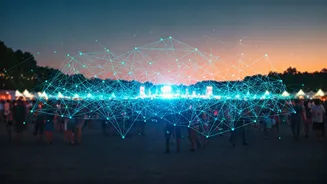
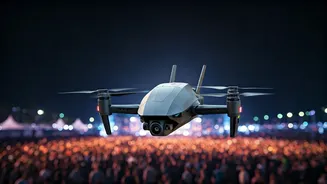
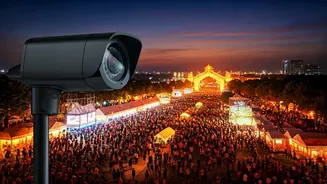
The necessary 'security updates' are already here, driven by technology. Modern crowd management is shifting towards intelligent, data-driven solutions that can anticipate problems before they escalate. AI-powered cameras are a game-changer, capable of monitoring crowd density in real-time, identifying bottlenecks, and even detecting unusual behaviour like a surge or a fight breaking out. Drones offer a bird's-eye view, giving organisers an unparalleled understanding of crowd flow across vast festival grounds. Combined with mobile apps that can send instant alerts or provide interactive maps with emergency exits and medical tents, technology can transform a chaotic environment into a managed one. These tools allow for proactive interventions, like redirecting foot traffic to less congested areas or dispatching medical teams with precision.
The Organiser's Duty of Care
Ultimately, the responsibility for attendee safety rests with the event organisers. This legal and ethical 'duty of care' means they must make all reasonable efforts to prevent foreseeable harm. This extends beyond hiring a security firm; it involves comprehensive risk assessments, robust emergency planning, and seamless coordination with local law enforcement and medical services. Too often, security can be seen as an expense to be minimised, leading to understaffing or a failure to invest in modern solutions. A forward-thinking approach embeds safety into the event's DNA, with clear evacuation routes, well-trained staff who can handle crises with calm communication, and sufficient medical facilities to handle any emergency. Prioritising profits over safety by overselling tickets or cutting the security budget is a recipe for disaster.
Your Personal Security Toolkit
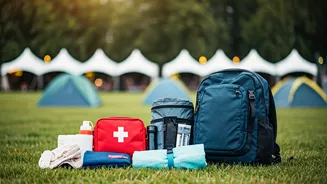
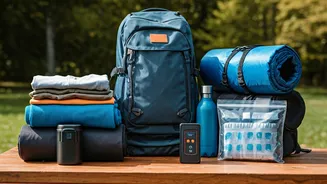
While organisers must provide a safe environment, attendees can also take steps to enhance their own security. The 'buddy system' is a classic for a reason; always stick with friends and have a pre-arranged meeting point in case you get separated. Before you even arrive, familiarise yourself with the festival layout, noting the locations of exits, water stations, and first-aid tents. Stay hydrated and nourished to keep your energy levels up. Be mindful of your surroundings, especially in dense crowds. If you feel uncomfortable or see a situation escalating, move to the edge of the crowd. Keep your phone charged with a portable power bank, as it's your lifeline for communication and accessing event apps. And trust your instincts—if a situation feels wrong, it probably is. Remove yourself from it and alert event staff or security.