



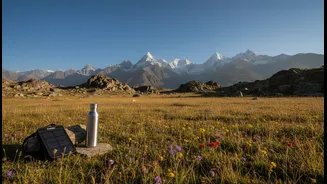
The Allure of the 'Northern Plateau'
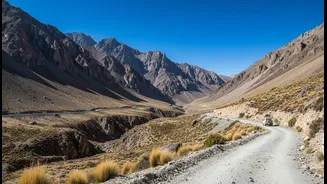
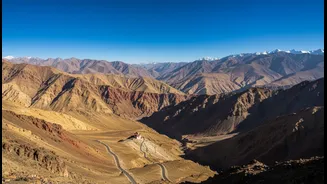
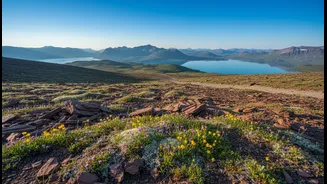
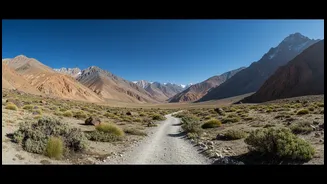
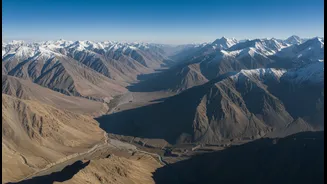
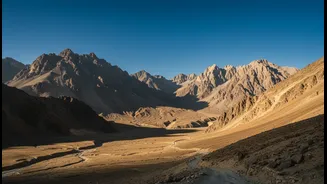
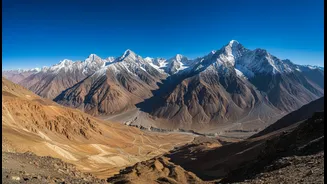
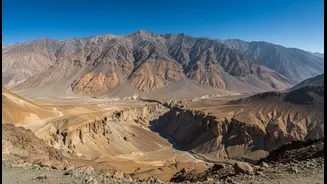
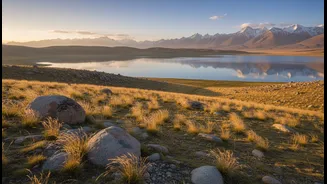
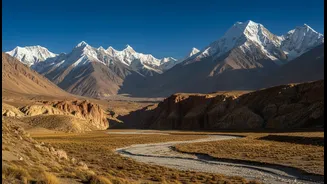
Stretching from eastern Ladakh into Tibet, the Changthang is a cold desert plateau defined by immense landscapes, high-altitude lakes like Tso Moriri and Pangong Tso, and rare wildlife. This is the homeland of the nomadic Changpa people and their famous
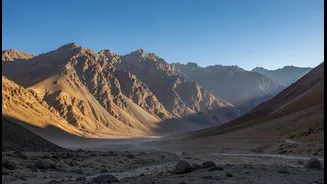
pashmina goats, as well as elusive creatures like the kiang (Tibetan wild ass) and the majestic snow leopard. At an average altitude of over 14,000 feet, it’s a place of extremes: harsh, beautiful, and sparsely populated. The very remoteness that makes it challenging is also its primary draw, offering a sense of solitude and connection to nature that is increasingly rare.
Why Small Groups Are Smarter
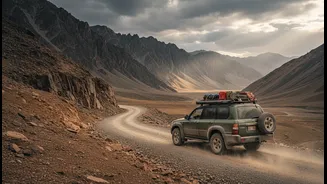
While larger tour groups can be cost-effective, they often create a barrier between the traveller and the destination. In Changthang, a smaller group (ideally 4-6 people) is logistically and experientially superior. Accommodations in the region are limited, primarily consisting of small, family-run homestays and basic guesthouses in villages like Skidmang or near Tso Kar. A small group can be easily accommodated in these homestays, offering a chance for genuine cultural exchange with Ladakhi families. It also allows for greater mobility and less environmental impact. A single SUV is far less intrusive than a convoy of vehicles when trying to spot wildlife, which is often shy and easily disturbed. Furthermore, in the event of any health or logistical issues, a smaller group is far easier to manage.
The Non-Negotiable Need for Flexibility
A rigid itinerary is your worst enemy in Changthang. The weather here is famously unpredictable; a sunny morning can turn into a snowstorm by the afternoon, leading to sudden road closures. Journeys that appear short on a map can take hours, with road conditions and high altitude dictating a slow pace of around 30 km per hour. The most critical factor, however, is acclimatisation. Rushing to high-altitude lakes without spending at least two or three days adjusting in Leh is a serious health risk. A flexible schedule allows you to add rest days if someone is feeling the effects of altitude sickness, or to linger longer in a village where you've made a connection. Some of the best moments in Changthang come from unplanned detours and spontaneous encounters, which a packed schedule simply doesn't allow for.
Planning Your Mindful Journey
Start by finding a few like-minded travel companions who share your desire for a slower, more immersive trip. When booking with a tour operator, be explicit about your preferences: you want to stay in homestays where possible and prefer a flexible itinerary over a rushed one that ticks off sights. Responsible tour operators focused on cultural immersion will understand and accommodate this. Pack for all seasons, even in summer, as temperatures can drop dramatically at night. Most importantly, get your Inner Line Permits (ILP) sorted in Leh before you depart for the sanctuary; this is a mandatory requirement for visiting the region. And remember to carry any essential medications, as medical facilities are practically non-existent.
Embrace the Authentic Experience
The Changthang experience is not one of luxury. The facilities are basic, the nights are cold, and the high altitude is a constant physical challenge. This is the reality behind the stunning photographs. The reward lies in witnessing a herd of kiang galloping across a vast plain, sharing butter tea with a Changpa family in their tent, or watching the stars appear in a sky free from light pollution. By travelling in a small group with a flexible mindset, you move beyond being a mere tourist. You become a respectful guest, open to the challenges and profound beauty of the land. This approach doesn’t just make for a better trip; it ensures that your presence is a positive one in a fragile, magnificent ecosystem.