



The Journey from Rain to Reservoir
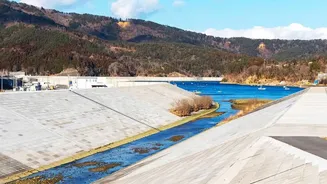
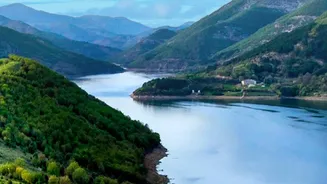
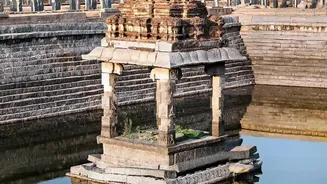
At its core, a reservoir is a large, man-made lake created to store water. Most are formed by building a dam across a river or stream, which captures rainwater and runoff from the surrounding land, known as the catchment area. During periods of heavy
rainfall, like the monsoon, these reservoirs fill up, acting like giant savings accounts for water. The primary goal is simple: to save water when it's abundant so it can be released and used during drier periods, ensuring a more stable, year-round supply for drinking, agriculture, and industry.
Not All Water in the Tank is Usable
Here's a crucial detail often missed in news reports: a reservoir at 50% capacity doesn't mean half its water is available for us to use. Every reservoir has two main types of storage: 'live storage' and 'dead storage'. Dead storage is the water at the very bottom, below the dam’s lowest outlet. This water cannot be drained by gravity and is kept to allow sediment to settle, which helps improve water quality, and to sustain aquatic life within the reservoir. Live storage, on the other hand, is the usable water that sits above the dead storage level. This is the volume available for release to cities, farms, and industries. So, when we talk about water supply, we are only ever talking about the water in the live storage zone.
The Path to Your Tap
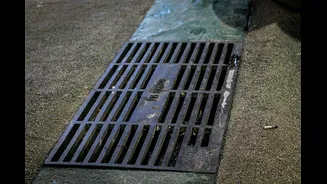
Once water is released from the reservoir's live storage, its journey to your home begins. It flows through massive pipes to a water treatment plant. At the plant, the water is cleaned and purified to make it safe for consumption. After treatment, a network of underground pipes, like a hidden highway beneath our streets, carries the clean water across the city. This network branches out into smaller and smaller lines until it finally connects to individual homes and businesses. Pumps and elevated storage tanks, like the water towers you see in many areas, help maintain consistent pressure throughout this system, ensuring water flows steadily when you turn on the faucet.
The Problem of 'Non-Revenue Water'
A full reservoir, however, doesn't guarantee a perfect supply. A significant challenge for Indian cities is 'Non-Revenue Water' (NRW). This is water that is treated and pumped into the system but is lost before it reaches a paying consumer. In many Indian metropolitan areas, NRW can be as high as 40% to 50%, compared to under 10% in some advanced global cities. These losses come from two main sources: physical losses from leaks in ageing pipes and overflowing tanks, and commercial losses from illegal connections, theft, and inaccurate water meters. This means that for every 100 litres of water treated and sent out, nearly half might never reach a tap or generate revenue, putting immense strain on both water resources and municipal finances.
The Bigger Picture: Climate and Competing Demands
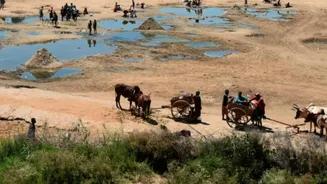
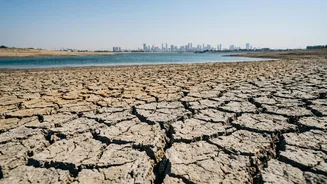
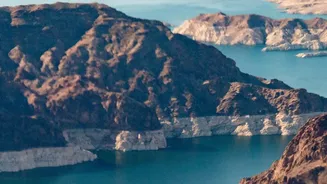
The amount of water in a reservoir is ultimately dependent on the monsoon. Uneven rainfall patterns, a growing concern linked to climate change, can mean that even during a wet season, the specific catchment areas for major reservoirs may not receive enough rain. Recent data from September 2026 shows that despite monsoon rains, water levels in many of India's major reservoirs are below the ten-year average, with southern states facing a significant crunch. Furthermore, cities aren't the only ones relying on this stored water. Reservoirs serve multiple purposes, including irrigation for agriculture, hydropower generation, and industrial needs, creating competing demands that must be carefully balanced by water authorities.