







More Than Just a Paragliding Hub
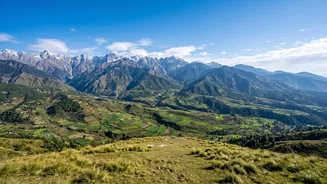
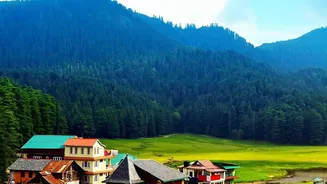
For years, Bir Billing's reputation was written in the sky, with colourful parachutes dotting the horizon over the Kangra Valley. It is renowned as one of the world's best sites for paragliding. But on the ground, a quieter transformation has taken place.
The town, comprising the Tibetan Colony and the bustling Chowgan area, has evolved. What once drew thrill-seekers for a weekend of adventure now convinces professionals to stay for months. The gradual shift happened organically, as travellers began extending their trips, cafes upgraded their internet, and word spread through digital nomad circles that Bir offered something more: a sustainable blend of work and well-being.
The Infrastructure for a Mountain Office
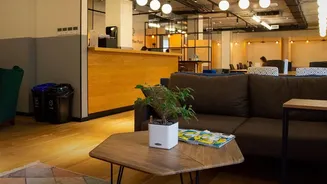
The primary question for any remote worker is simple: can I actually work there? In Bir, the answer is a resounding yes. The town's infrastructure has adapted to meet the demands of a connected workforce. Numerous cafes like Pahadee Coffee Roasters and Garden Cafe offer not just good coffee but also reliable Wi-Fi and a welcoming atmosphere for those with laptops. For more structured environments, dedicated co-working and co-living spaces like Karyashaala and Bir Nest have emerged, providing high-speed internet, power backup, and ergonomic desks—essentials for uninterrupted productivity. Accommodation is equally flexible, with options ranging from budget-friendly hostels like Zostel and The Hosteller to long-term homestays and cottages that offer weekly or monthly rates, many with kitchens and dedicated workspaces.
A Day in the Life of a Remote Worker
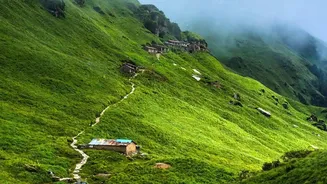
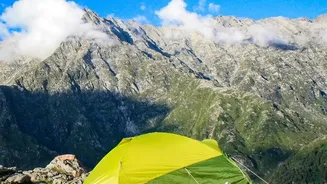
Imagine a workday that starts not with a stressful commute, but with a quiet cup of chai overlooking rice paddies. In Bir, this is the reality for many. The typical routine often involves focused work sessions in the morning, fuelled by the calm mountain air. Afternoons are for adventure—a tandem paragliding flight from the Billing take-off site, a trek through nearby trails, or simply a cycle around the flat, accessible town. Evenings are social, spent at local cafes or gathering at the landing site to watch the final gliders of the day descend against a spectacular sunset. This rhythm allows for deep work while ensuring that life doesn't get lost behind a screen. It’s a structure that prioritises both output and personal freedom.
Serving Teams, Not Just Individuals
While Bir has long been a haven for freelancers and solo digital nomads, it is also gaining traction as a destination for entire remote teams. Companies are discovering the value of trading sterile corporate offsites for more authentic, invigorating experiences. A mountain setting provides a unique backdrop for team bonding, brainstorming, and creative problem-solving. Some accommodations, like Saanjh Cottages, offer customised packages for corporate groups, providing the necessary space and amenities for productive team retreats. The blend of adventure activities and a peaceful work environment can help foster collaboration and boost morale far more effectively than a traditional conference room.
The Practicalities and Potential Pitfalls
Despite its idyllic appeal, a workation in Bir requires planning. While Wi-Fi is widely available, connectivity can still be susceptible to weather and power fluctuations, especially during the monsoon season. It is wise to choose a stay with reliable power backup. The town's charm lies in its relative quietness; there isn't much nightlife, which can be a pro for some and a con for others. For teams, the biggest challenge is logistical—coordinating travel and ensuring that work requirements can be met despite the remote location. However, for those prepared to embrace a slightly slower, more deliberate pace, the rewards far outweigh the hurdles.