


The Allure of a Green Monsoon
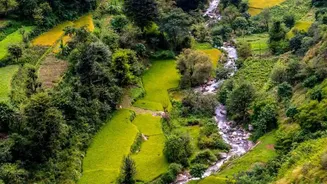
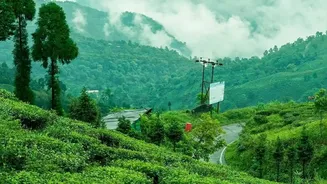
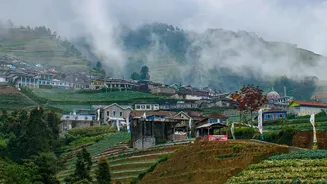
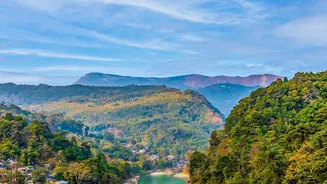
For years, the monsoon has been considered the off-season for travel in many parts of India. But in the Northeast, it is when the region truly comes alive. The rain washes the landscape, leaving behind myriad shades of green, from the rolling tea gardens
of Assam to the misty hills of Meghalaya. Waterfalls like Nohkalikai and the Seven Sisters, which are modest trickles in drier months, become powerful, roaring spectacles. This seasonal transformation, combined with fewer tourists and lower travel costs, creates a peaceful atmosphere that appeals to those looking to escape the hustle of city life. The weather is refreshingly cool, and the constant rhythm of the rain offers a serene soundtrack for a quiet getaway.
The Rise of Conscious Travel
Eco-tourism in the Northeast is about more than just appreciating nature; it's about actively participating in its preservation and supporting local communities. This form of travel encourages a deeper connection with the destination, moving beyond sightseeing to meaningful interaction. It involves choosing community-run homestays, where tourism revenue directly benefits local families, and respecting the delicate ecosystems that define the region. Travellers are increasingly seeking authentic experiences, and the Northeast offers this in abundance, from learning about the traditions of the Khasi tribe in Meghalaya to understanding the organic farming practices of Sikkim. This mindful approach ensures that travel is not just a personal pleasure but a positive force for the destination.
Meghalaya: Land of Living Bridges and Roaring Falls
Meghalaya, aptly named 'the abode of clouds', is perhaps the quintessential monsoon destination. It's home to some of the wettest places on Earth, like Cherrapunji (Sohra) and Mawsynram, where the rain feeds a landscape of dramatic beauty. The famed living root bridges, masterpieces of bio-engineering woven by the Khasi people, are particularly magical amidst the monsoon mist. Visiting villages like Mawlynnong, known for its community-led cleanliness initiatives, provides insight into sustainable living. During this season, travellers can explore spectacular cave systems, trek through sacred groves, or simply watch the clouds drift across lush valleys from a cosy homestay.
Sikkim: A Pioneer in Sustainable Policy
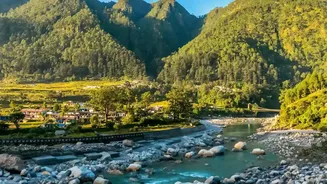
Sikkim has long been a leader in environmental conservation in India. As the country's first fully organic state, its commitment to sustainability is woven into its tourism model. The government has implemented strict policies, including a ban on single-use plastics, to protect its pristine environment. For eco-travellers, this translates into a clean, green, and conscious travel experience. Destinations like Dzongu, a region reserved for the Lepcha community, offer immersive cultural homestays that operate in harmony with nature. Community-driven tourism is promoted, ensuring that locals have a stake in preserving their natural and cultural heritage. This focus on sustainability makes Sikkim a model for responsible travel in the Himalayas.
How to Travel Responsibly in the Northeast
Embracing an eco-friendly journey in the Northeast involves a few thoughtful choices. Prioritise staying in locally-owned homestays or eco-lodges to ensure your money supports the community directly. Pack responsibly by bringing a reusable water bottle to reduce plastic waste and carrying a waterproof jacket and sturdy, anti-slip shoes for rainy conditions. Hire local guides for treks and tours; their knowledge of the terrain, culture, and biodiversity is invaluable and provides them with a sustainable livelihood. Always ask for permission before photographing people or religious sites, and be mindful of local customs and traditions to ensure your visit is respectful. Finally, check weather forecasts and road conditions, as the monsoon can sometimes cause travel disruptions.