







The Monsoon Kitchen Challenge
As the rain arrives, so does the moisture that seems to creep into every corner of the kitchen. Pantry staples are especially vulnerable. Sugar, in particular, is hygroscopic, which means it naturally attracts and absorbs moisture from the air. [7, 20]
When sugar crystals absorb this humidity, their surfaces dissolve slightly. [20] As the moisture shifts or evaporates, the crystals stick together, forming the lumps and hardened blocks that are all too familiar during the rainy season. [20] This doesn't just make it difficult to scoop and measure; it’s a frustrating daily reminder of the dampness that has taken over. This clumping is especially prevalent in India's monsoon climate, turning a simple act like sweetening your chai into a minor struggle. [5]
The Clove Hack Explained
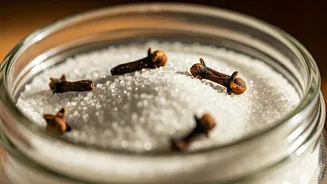
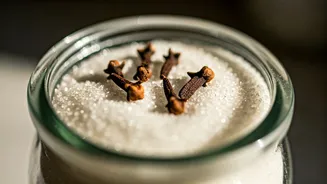
Here is where a humble spice from your masala dabba comes to the rescue: the clove. This traditional hack is remarkably simple and effective. All you need to do is place a few whole cloves—typically between four and five—into your sugar container. [6] Simply drop them in and let them mix with the sugar. There's no need to grind them or wrap them in anything. The cloves will do their job just by being present in the jar. For best results, ensure your sugar is stored in an airtight container to begin with. [12] This combination of a well-sealed jar and a few cloves creates a powerful defence against the pervasive monsoon dampness, keeping your sugar granular and easy to use.
Why This Simple Trick Works
The effectiveness of the clove hack stems from two of its natural properties. Firstly, cloves act as a natural desiccant, meaning they absorb excess moisture from their immediate environment. [2] By drawing in the humidity that enters your sugar container, they help keep the sugar crystals dry and prevent them from binding together. [2, 6] Secondly, cloves have a strong, distinct aroma that acts as a natural ant repellent. [6] Ants, another common kitchen pest during the monsoon, are deterred by the scent, providing an added layer of protection for your sugar. The active compound in cloves, eugenol, is also known for its antimicrobial properties, which can help inhibit mold growth. [28] This makes the clove a multi-purpose guardian for your pantry.
Other Effective Monsoon-Proofing Tips
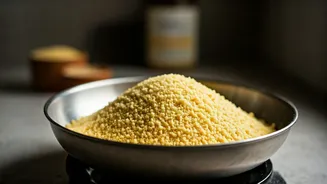
While the clove hack is excellent, you can enhance your moisture-fighting strategy with a few other time-tested methods. One popular trick is to place a few grains of uncooked rice in your sugar jar, often wrapped in a small muslin cloth pouch. [2, 6] Like cloves, rice is a desiccant and will absorb ambient moisture. [2] Another option is to place a piece of blotting paper at the bottom of the jar before filling it with sugar. [6] For brown sugar, which hardens as it loses moisture, adding a slice of bread or an orange peel can help maintain the right humidity level. [15, 18, 19] And perhaps the most crucial rule of all: always use a completely dry spoon when scooping sugar, as even a single drop of water can create a clump instantly. [5, 20]
Choosing the Right Storage
The container you use is just as important as what you put inside it. During the monsoon, it's wise to move away from plastic containers, which can sometimes be less effective at sealing out moisture. Instead, opt for clean, dry glass jars with airtight lids. [6, 10] Glass provides an excellent, non-reactive barrier against humidity. [10] It’s also a good practice to have a smaller jar for daily use and a larger one for storing the bulk of your sugar. [22] This minimizes how often the main supply is exposed to the humid air. Before transferring any sugar, ensure the container is completely dry, as any residual moisture will defeat the purpose of your storage efforts. [10]