

The Great Rain Shadow Advantage
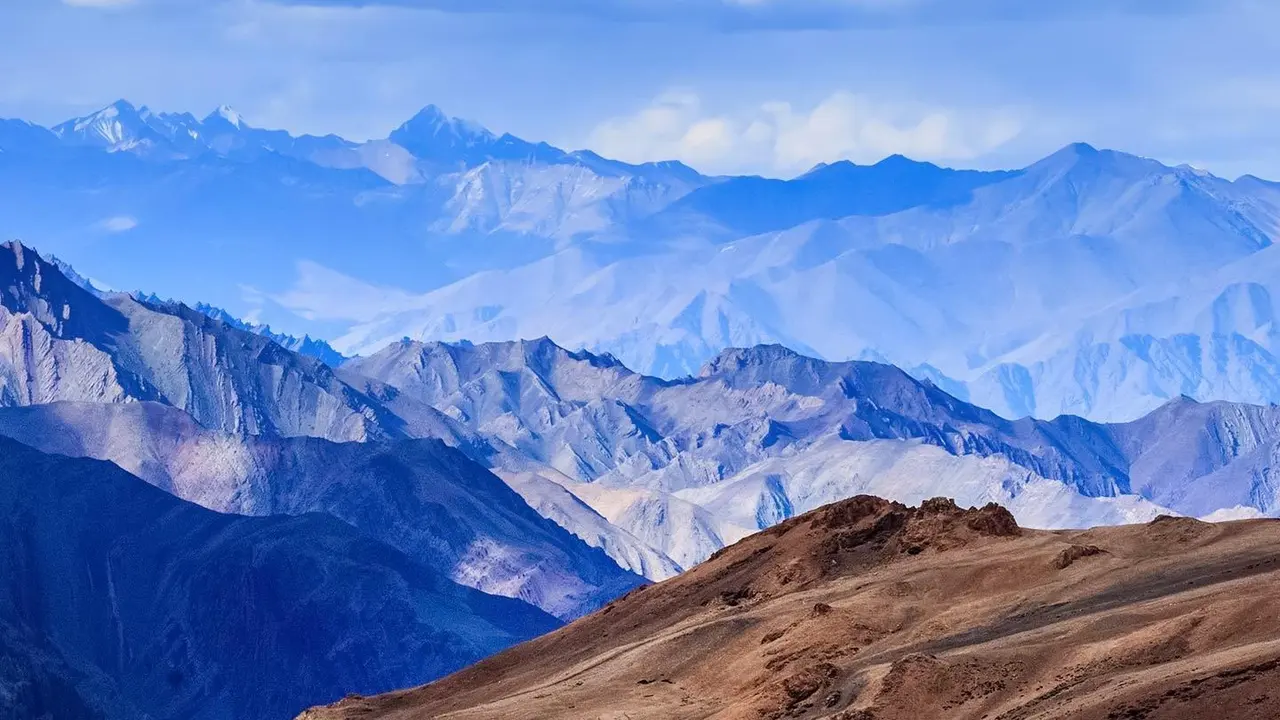
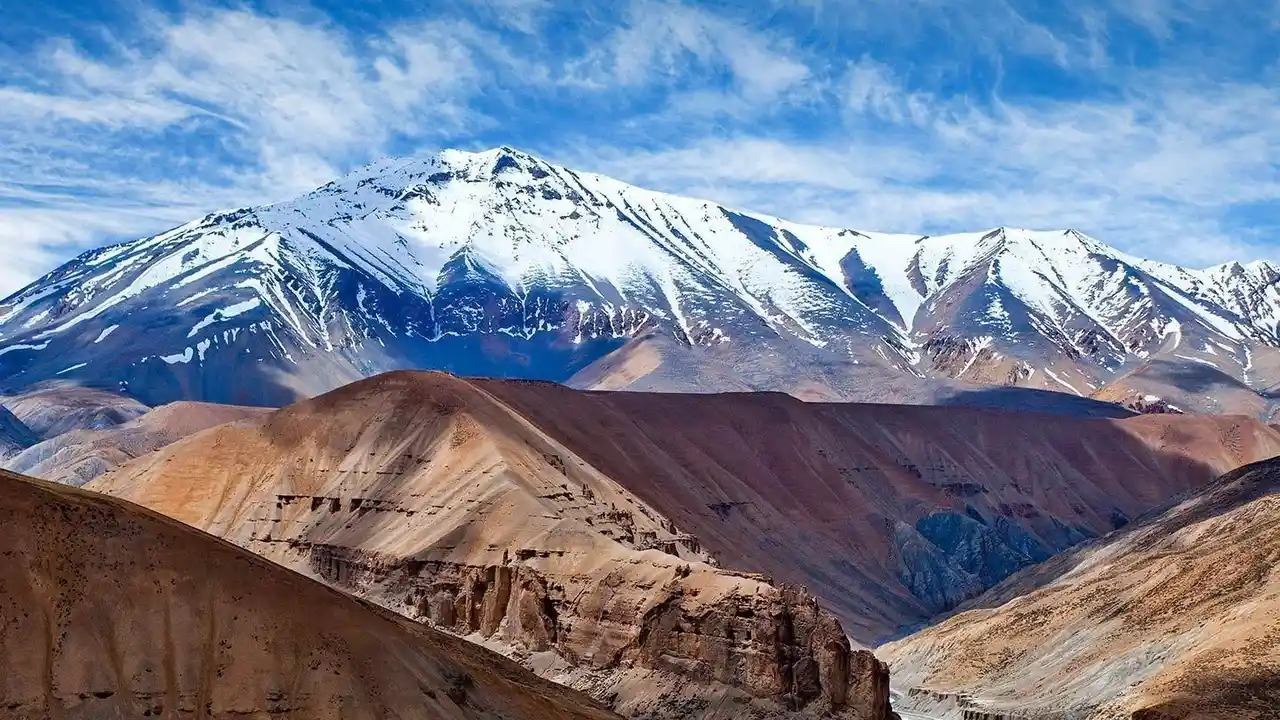
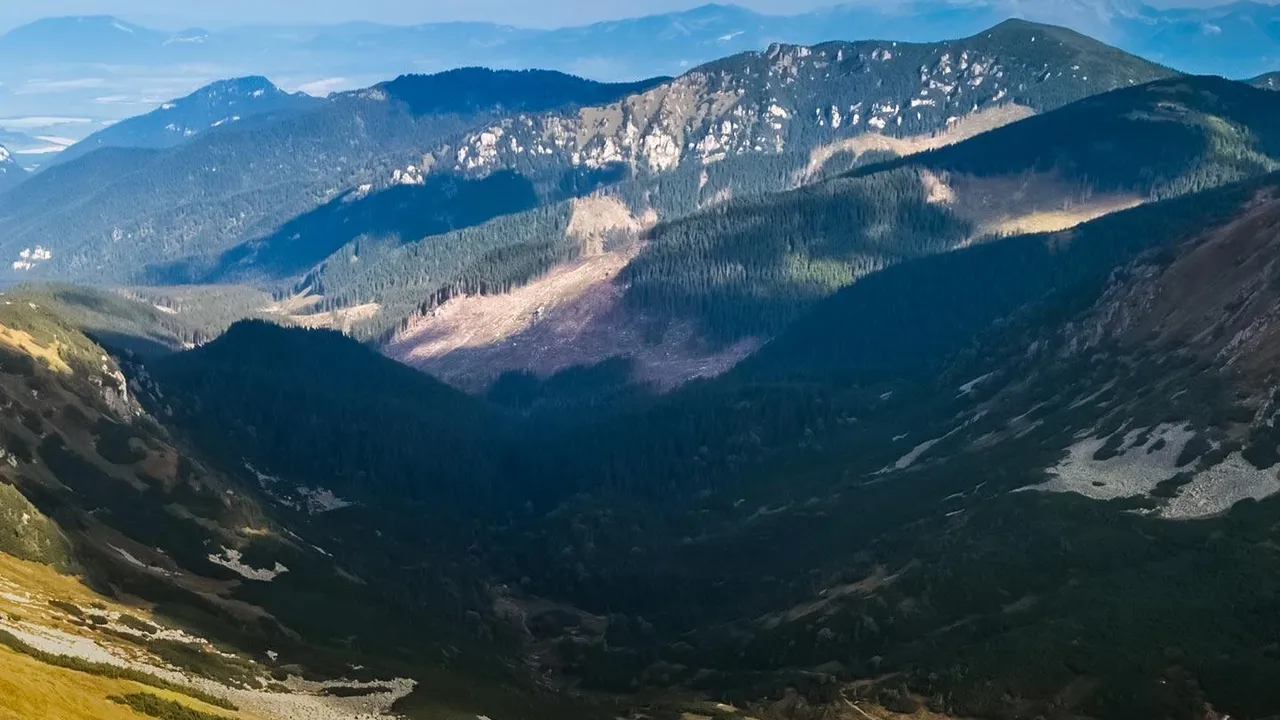
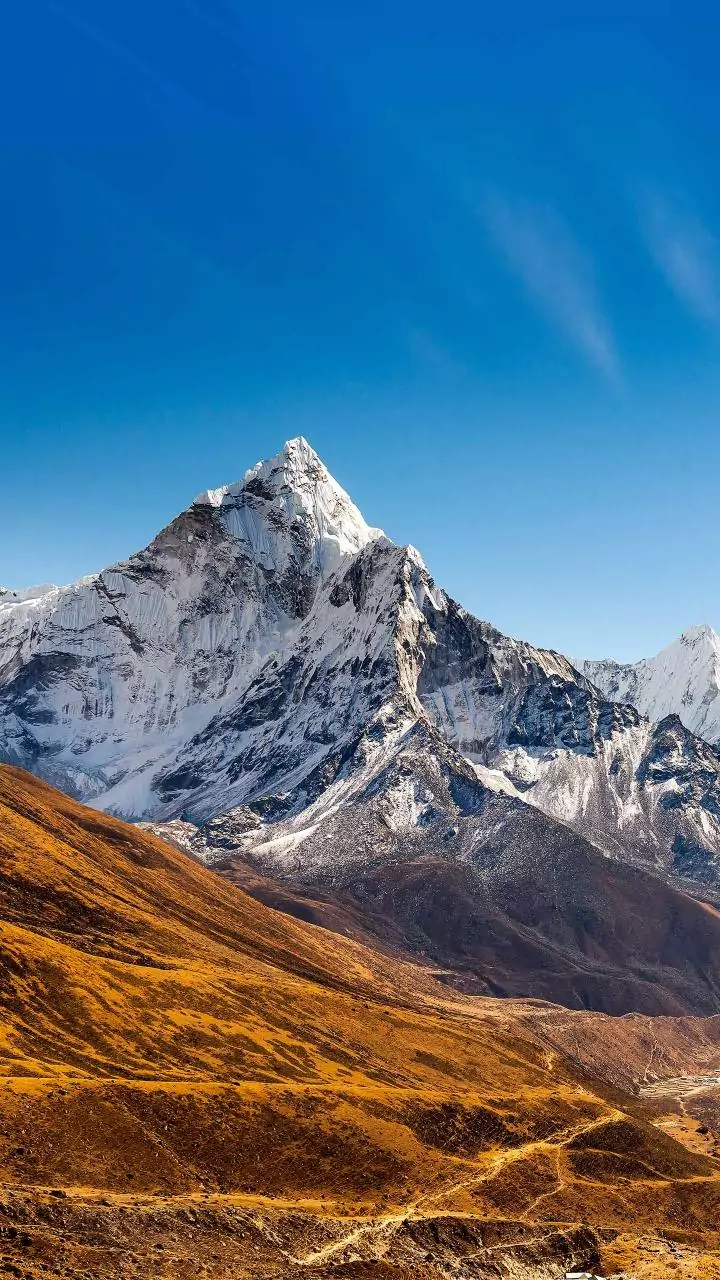
The secret to Ladakh's unique monsoon experience lies in its geography. Tucked behind the mighty Himalayan and Zanskar ranges, Ladakh sits in a 'rain shadow' area. This means the towering peaks block the moisture-laden monsoon clouds that drench the rest
of the subcontinent. By the time the winds cross these barriers, they have already shed their rain, leaving Ladakh wonderfully arid and sunny. While the rest of India sees daily downpours, Ladakh experiences minimal rainfall, often just short, light drizzles, especially in its lower valleys. This results in clear blue skies, crisp air, and perfect conditions for exploration when other mountain destinations are grappling with landslides and closures.
Adventures Under a Clear Sky
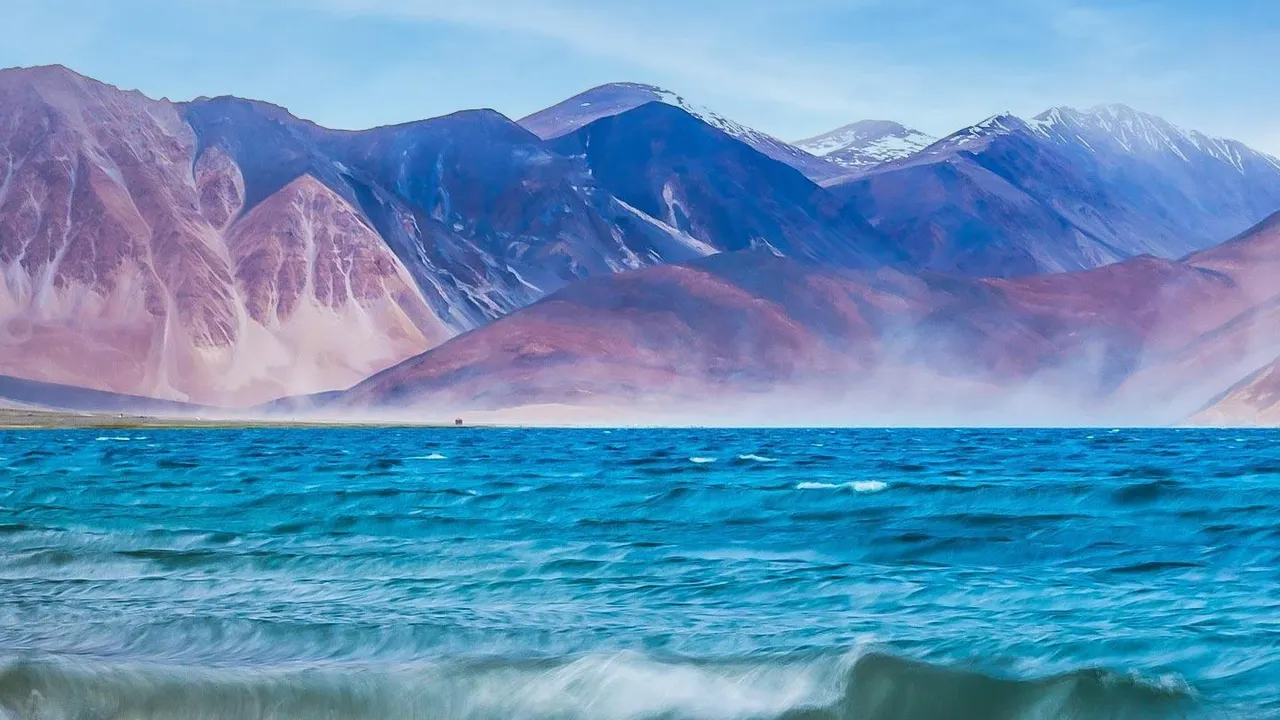
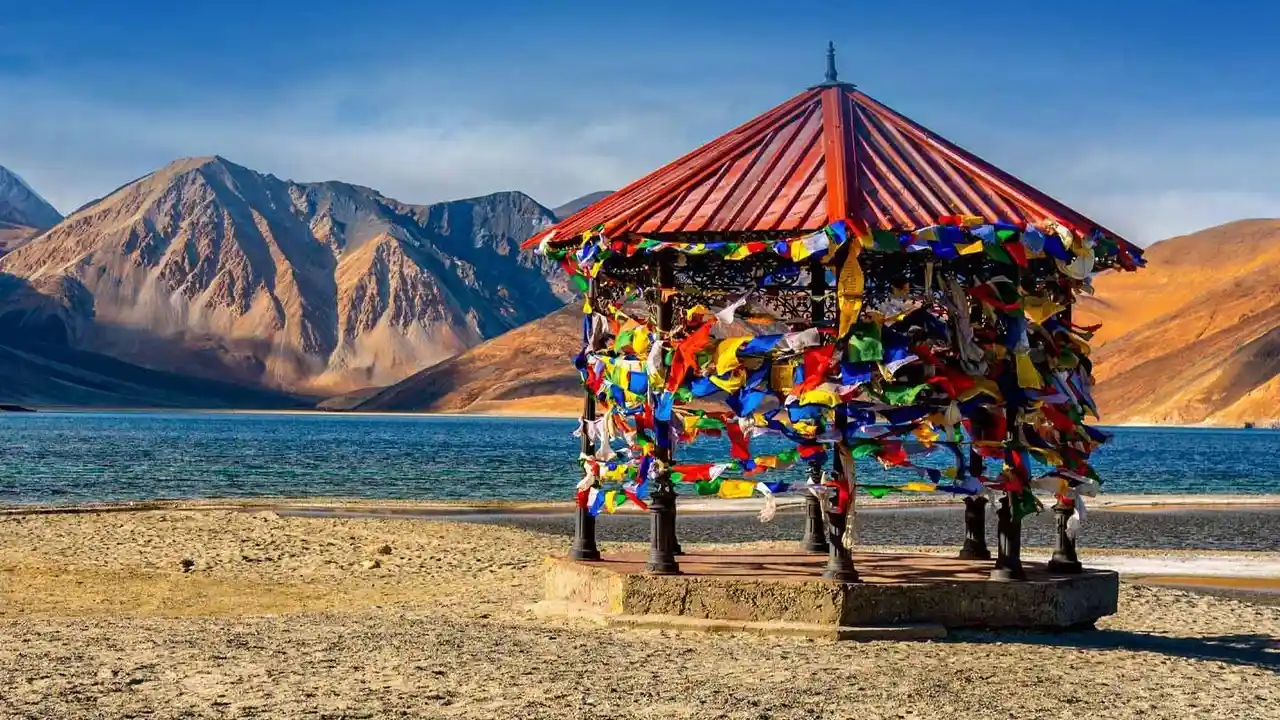
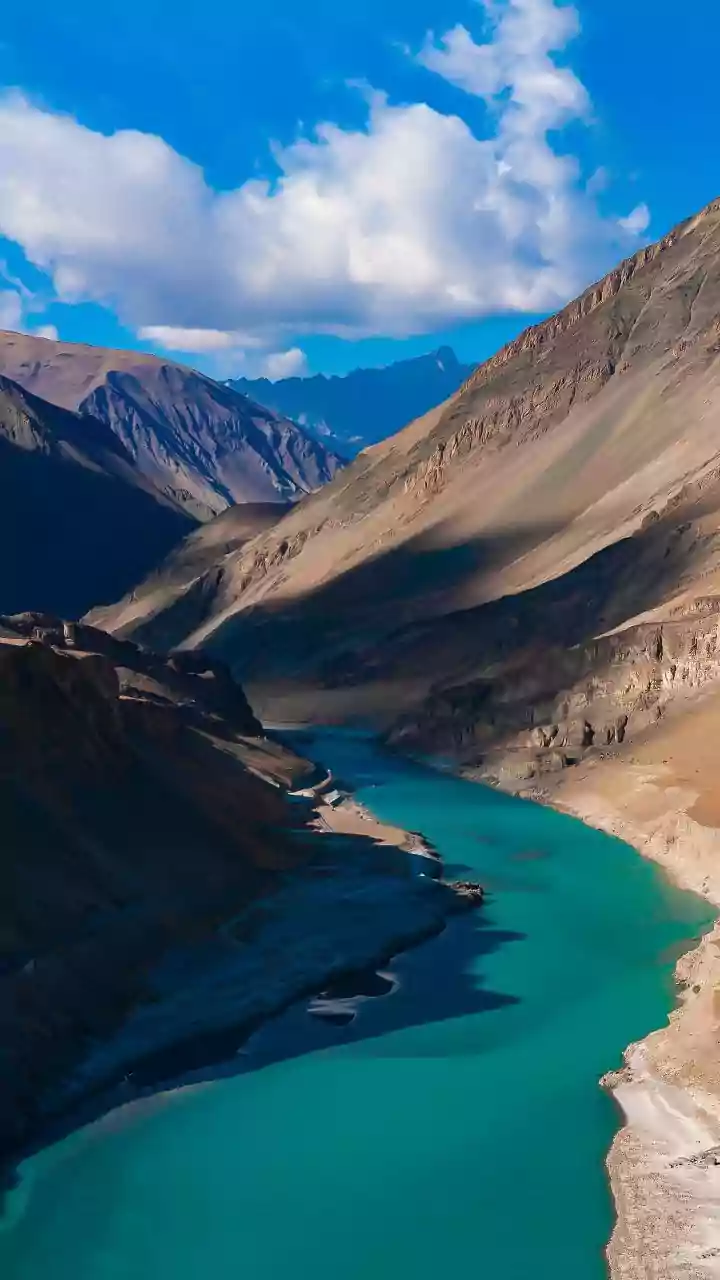
The dry weather means that nearly all of Ladakh's famed attractions and activities are fully accessible in months like July and August. This is the ideal time for the adventures that define the region. You can take on the breathtaking drive to Khardung La, one of the world's highest motorable passes, without the treacherous conditions found elsewhere. The iconic Pangong Tso, with its ever-changing shades of blue, is at its most vibrant, and camping by its shores offers unparalleled stargazing opportunities. For adrenaline junkies, the water levels in the Zanskar and Indus rivers are perfect for thrilling white-water rafting. Trekkers can explore stunning routes like the Markha Valley, where trails are in good condition and the stark landscapes are softened by patches of green.
A Quieter, Greener Landscape
While Ladakh is a cold desert, the hint of monsoon moisture it receives has a magical effect. The barren brown mountainsides get a subtle tint of green, and patches of wildflowers can appear in high-altitude meadows. This period showcases a softer, more vibrant side of the rugged terrain. August is also an excellent time for those seeking a more peaceful experience. While it's still a popular season, the peak tourist rush of June and July begins to subside, leading to calmer monasteries and less crowded viewpoints. It strikes a perfect balance, offering the liveliness of a destination in full swing but without the frantic chaos of the absolute peak season.
Cultural Festivities and Local Life
A trip to Ladakh in August offers more than just scenic beauty; it's an opportunity to immerse yourself in its rich culture. Several monastic festivals often take place during the summer months. For instance, the Changthang region often hosts the Ladakh Nomadic Festival in August, a vibrant showcase of the traditional life of the region's nomadic people. These festivals, with their colourful masked dances (Chhams), traditional music, and spiritual rituals, provide a fascinating window into Ladakhi traditions. Beyond the festivals, it's a time when local life is in full flow, with villages in the Nubra Valley at their greenest and apricot trees heavy with fruit.
Practical Tips for Your Monsoon Escape
While Ladakh is dry, getting there can be tricky. The highways from Manali and Srinagar can be affected by rain and landslides on their non-Ladakhi stretches. For a hassle-free journey, flying into Leh is the most reliable option. Once there, acclimatisation is crucial. Spend your first two days in Leh getting used to the altitude (around 3,500 metres) before venturing higher to places like Pangong Lake. Packing should include layers: T-shirts for the strong sun, a fleece for the shade, and a warm jacket for the chilly nights, as temperatures can drop significantly after sunset. Also, sunscreen and a hat are non-negotiable due to the harsh UV rays at high altitude.