
A Landscape Rejuvenated
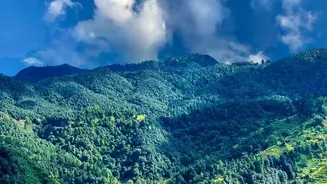
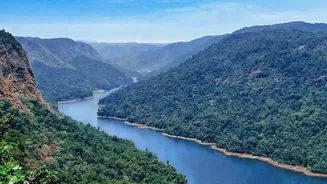
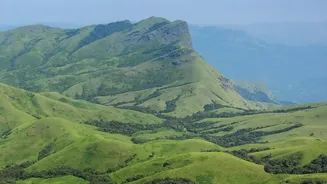
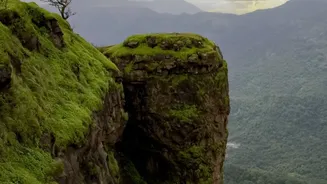
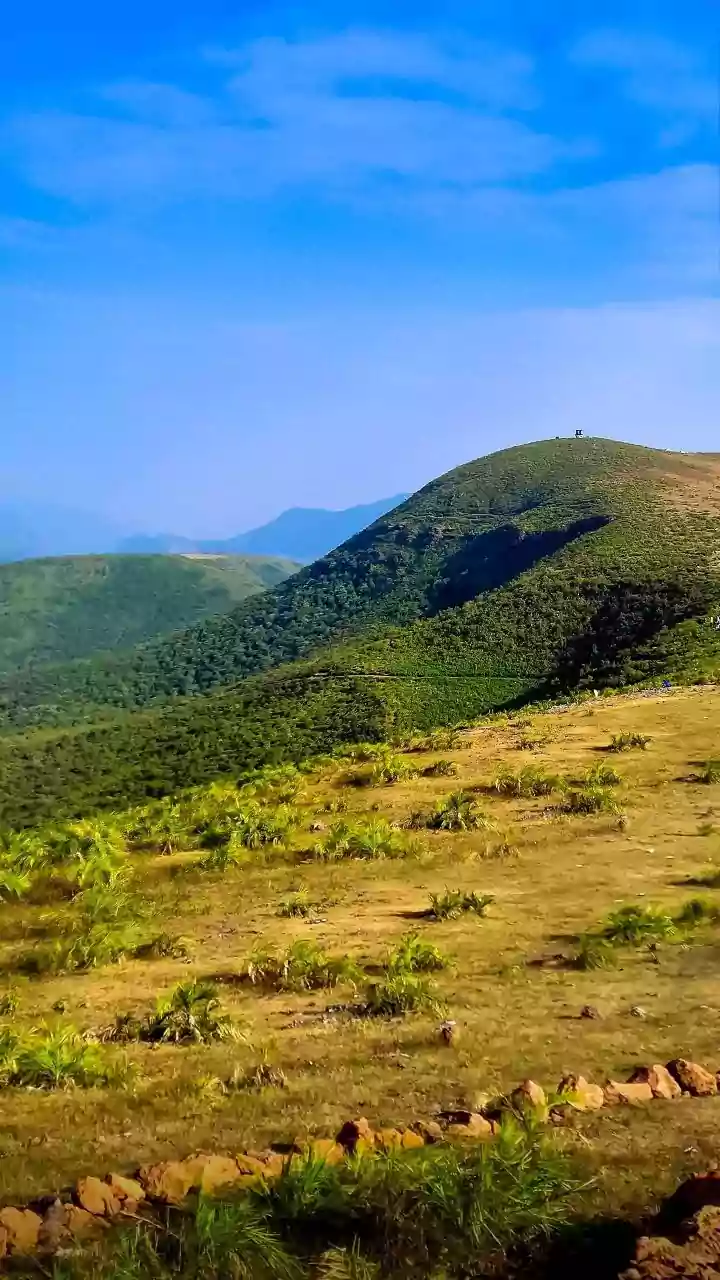
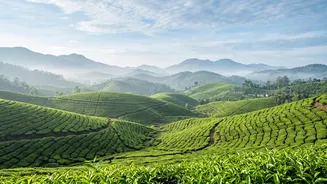
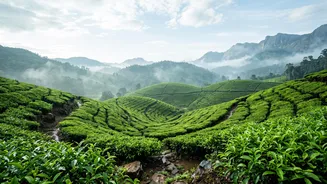
The period immediately following the monsoon, from September to early October, is when the Western Ghats are at their most vibrant. After months of rain, the hillsides shed their summer brown for a saturated, brilliant green that feels almost otherworldly.
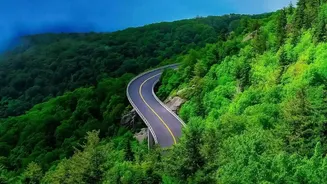
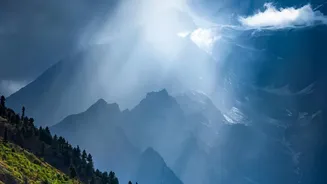
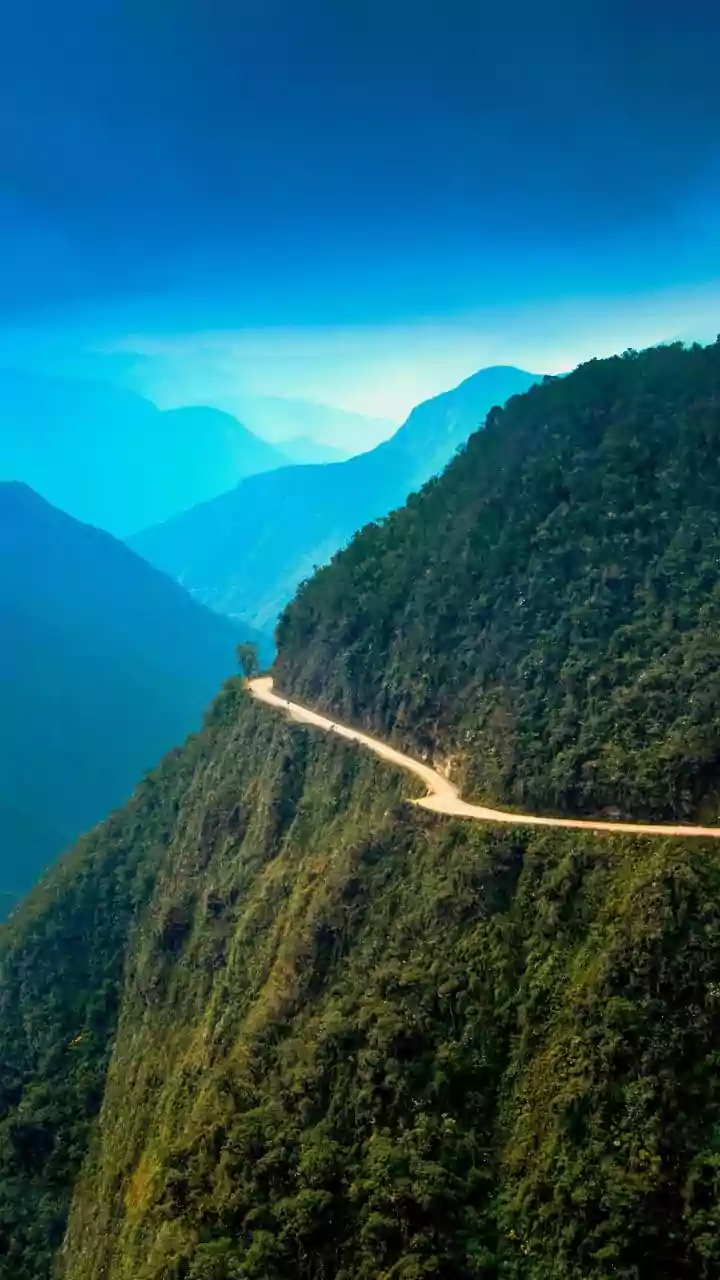
The air is clean, the dust has settled, and the entire ecosystem pulses with renewed life. This is not just a change in colour; it is a complete sensory reset. The atmosphere is thick with the smell of wet earth and blooming wildflowers, creating a driving experience that is deeply immersive. The cloud-kissed mountains and mist-laden valleys offer a dramatic backdrop that changes with every turn of the road.
Waterfalls in Their Full Glory
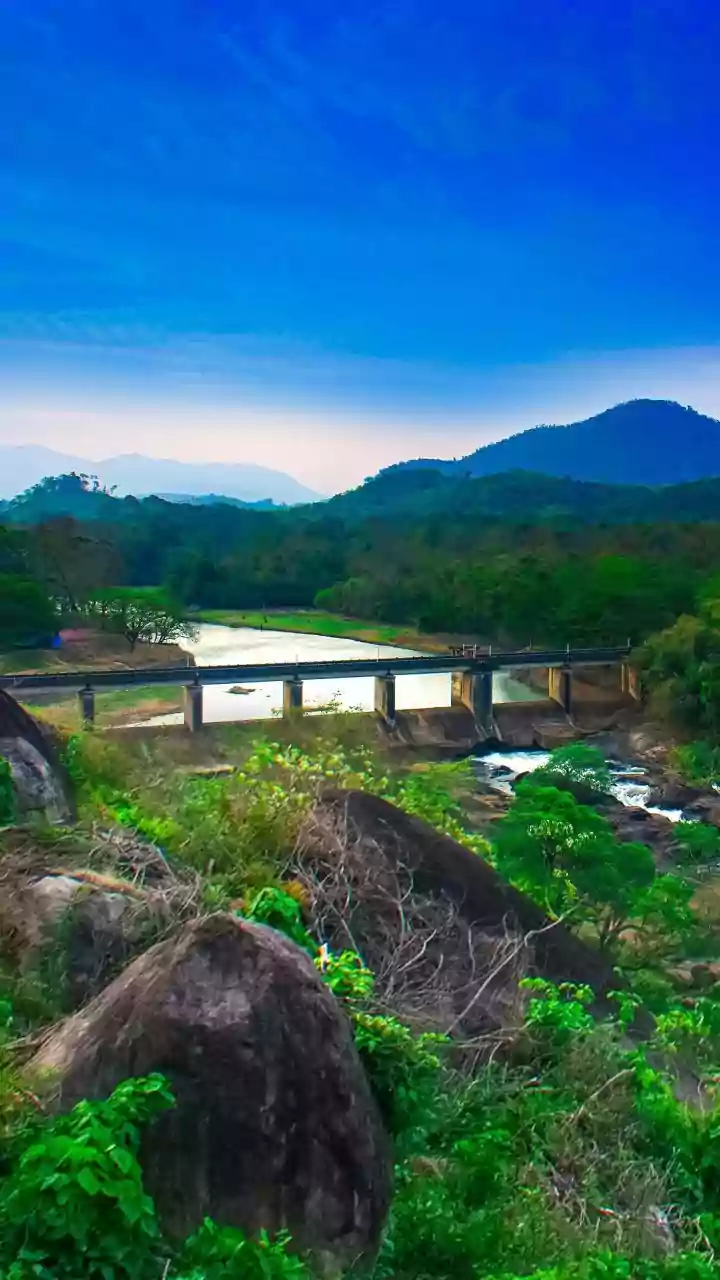
While the monsoon brings the rain, the post-monsoon period is when you can truly appreciate its impact. Waterfalls, both famous and seasonal, are at their peak flow, cascading down rocky cliffs with impressive force. In regions like Malshej Ghat in Maharashtra, dozens of temporary waterfalls spring to life, sometimes spilling directly onto the highway, creating a magical, misty atmosphere. Farther south, iconic falls in Wayanad, Coorg, and Athirappilly are thunderous spectacles surrounded by lush, rain-fed forests. This abundance of water also revitalises the rivers and streams that line the driving routes, their gushing sounds providing a constant soundtrack to your journey.
The Ephemeral Carpet of Flowers
One of the most compelling reasons to visit during this specific window is the mass blooming of wildflowers. The most famous example is the Kaas Plateau in Maharashtra, a UNESCO World Heritage site. Between late August and October, this laterite plateau transforms into a vast 'carpet of flowers', with over 850 species creating a kaleidoscope of pink, purple, yellow, and white. The bloom is so unique because its timing and intensity are entirely dependent on the preceding monsoon's rainfall, making each year's display a fleeting, one-of-a-kind event. The spectacle isn't limited to Kaas; across the Ghats, the post-monsoon period sees countless endemic species flower, offering a rare treat for nature lovers and photographers.
Iconic Routes and Misty Roads
The drive itself is the main attraction. Winding roads that were challenging during heavy rains become stunningly scenic routes. Popular stretches include the journey through Chorla Ghat into Goa, known for its dense forests and serene beauty, and the roads connecting the hill stations of the Nilgiris like Ooty and Coonoor. Drives through the coffee and tea plantations of Chikmagalur, Coorg, and Munnar are particularly special, as the mist hangs low over the verdant estates. In Maharashtra, the routes to Malshej Ghat, Amboli Ghat, and Mahabaleshwar offer dramatic valley views and roads that seem to float through the clouds. While the views are spectacular, it’s wise to remain cautious. Fog can still roll in quickly, and some road surfaces may be slippery. Driving during the day and being mindful of road conditions ensures a safe and enjoyable trip.
A Symphony of Wildlife
The revitalised landscape also means wildlife becomes more active and visible. The post-monsoon period is an excellent time for birdwatching. Migratory birds, including pink flamingos, can be spotted near dams and lakes like Pimpalgaon Joga in Malshej Ghat. The lush forests are also home to a variety of endemic species, from the Nilgiri Tahr to the Lion-tailed Macaque. Even smaller creatures come out to play. In regions like Agumbe and Wayanad, guided night walks reveal a fascinating world of amphibians and insects that emerge during this wet, vibrant season, their calls adding another layer to the rich natural soundscape.