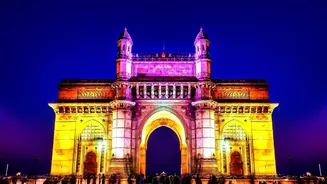








The Eight-City Insight
A recent qualitative study offers a revealing look into the lives of young adults across eight major metropolitan hubs, including Delhi, Mumbai, Bengaluru, and Hyderabad. The research, which interviewed people aged 21 to 30, aimed to understand the realities
of maintaining a healthy lifestyle in a bustling urban environment. While most participants knew what a healthy lifestyle entailed—a balanced diet, regular exercise, and adequate sleep—a major barrier consistently stood in their way: a perceived lack of time. Between demanding jobs, long commutes, and social obligations, health often took a backseat, becoming something to be addressed 'later'.
The Deadline as the Ultimate Motivator
The irony is that this very lack of time makes deadlines the most effective trigger for action. While daily life pushes health down the priority list, an impending, non-negotiable event acts as a powerful catalyst. The most common of these triggers is a wedding. The social pressure to look one's best for the big day can inspire a level of discipline that was previously absent. Another significant trigger is the start of a new career or a major professional milestone, which can prompt a desire to project a more energetic and capable image. In essence, when a future event becomes a present-day priority, it forces a change in routine. Health is no longer an abstract goal but a short-term project with a clear finish line.
The Psychology of the Push
Why do we wait for this external pressure? The answer lies in human psychology. We are wired to respond to urgency. Psychologists talk about 'time perspective'—how we relate to the past, present, and future. For many, future health benefits feel distant and intangible compared to immediate gratification or pressing daily tasks. It's a classic case of procrastination, where the long-term reward isn't compelling enough to drive immediate action. A deadline, however, transforms a 'someday' goal into a 'right now' problem. The chronic feeling of being rushed in modern life can lead to decision fatigue, making it easier to stick to the path of least resistance until an external force intervenes. This pressure creates a temporary, high-stakes environment where the benefits of changing—looking great in wedding photos or feeling confident on a new job's first day—finally outweigh the comfort of inaction.
Beyond the Last-Minute Health Sprint
While deadline-driven transformations can deliver impressive short-term results, they often don't translate into sustainable habits. Once the wedding is over or the new job settles in, it's easy to revert to old patterns. This approach frames health as a temporary state to be achieved for an event, rather than a continuous practice for life. Encouragingly, there is a parallel trend emerging among young Indians. A growing number of millennials and Gen Z are moving away from this reactive model toward a more proactive and holistic vision of wellness. They are increasingly using digital tools, focusing on mental well-being, and making small, consistent daily choices to manage stress and prevent future health issues. This indicates a cultural shift where health is viewed less as a project and more as an integral part of one's identity.