




Why the Train Is Your Best Bet
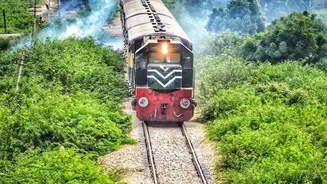
For budget-conscious wildlife enthusiasts, the train is a game-changer. It allows you to bypass expensive domestic flights and private taxis, which can quickly inflate a trip's budget. An overnight train journey does double duty: it covers vast distances
while you sleep and saves you the cost of one night's accommodation. Waking up to the sights and sounds of rural India is also a far more immersive experience than a quick flight. Sleeper or AC 3-Tier tickets are significantly cheaper than airfare, often costing a fraction of the price. This leaves more in your budget for what truly matters: the safaris themselves.
Choosing Your Tiger Reserve
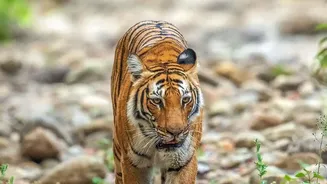
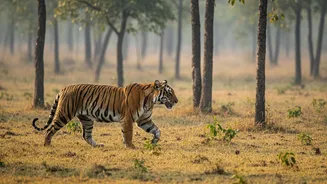
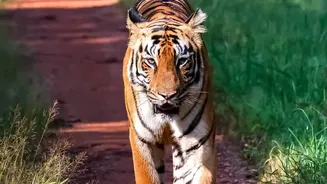
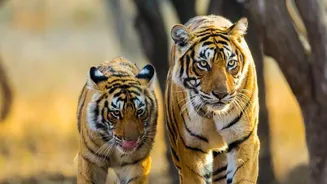
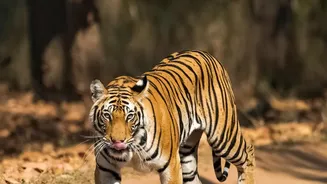
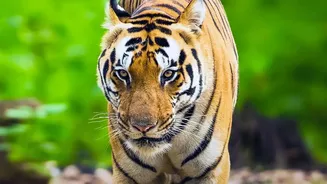
Central India, particularly the states of Madhya Pradesh and Maharashtra, is dotted with premier tiger reserves. Your choice depends on your travel route and priorities. Tadoba Andhari Tiger Reserve in Maharashtra is renowned for its high tiger sighting probability and is considered one of the best for budget trips due to plentiful accommodation options. Pench National Park, which straddles both states, is another excellent choice and famously inspired Rudyard Kipling's 'The Jungle Book'. Further into Madhya Pradesh, Kanha and Bandhavgarh National Parks are legendary, though reaching them can sometimes require longer road transfers from the nearest major railway stations. For ultimate accessibility, Ratapani Tiger Reserve is just a short drive from Bhopal, a major rail hub.
The Railway Connection: Key Stations
The key to this travel hack is identifying the right railway station. For Tadoba and Pench, Nagpur Junction (NGP) is the primary gateway. It is well-connected by overnight trains from major cities like Mumbai, Delhi, and Kolkata. From Nagpur, the parks are a 2-4 hour road trip away. For Kanha and Bandhavgarh, the main access stations are Jabalpur (JBP) and Katni (KTE). Many long-distance trains halt here, making them convenient entry points. From these stations, you can hire a local taxi or arrange a pickup with your resort for the final leg of the journey, which can take 3-4 hours.
Booking Your Journey and Safaris
While the headline mentions rail passes, for most tourists, booking point-to-point tickets directly through the IRCTC website or app is the most straightforward and economical method. Special tourist passes exist but are often geared towards more extensive, multi-city itineraries. Recently, IRCTC and the Maharashtra Forest Department announced a partnership to offer integrated packages, which bundle train travel, hotels, and safari permits for reserves like Tadoba and Pench. This could simplify planning immensely. Safari permits are crucial and must be booked well in advance—often 120 days ahead—on the official state forest department websites as they sell out quickly. Be sure to book your safari permits before you book your train tickets.
Budgeting: From Station to Safari
The cost savings from train travel can be significant. A third AC train ticket can cost between ₹800 and ₹2,000 for an overnight journey, compared to ₹3,000–₹5,000 for a flight. Once at the park, accommodation can range from basic guesthouses starting at ₹1,500 per night to mid-range resorts. A shared jeep safari, which can accommodate up to six people, is the biggest expense after travel. Booking a full jeep can cost several thousand rupees per safari, so sharing the cost is key for budget travel. Remember to factor in the cost of the taxi from the station to your lodge, which can be negotiated with local drivers.