



Our Brains on Quick Hits
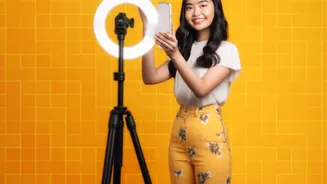
The engine behind this change is the relentless stream of short-form video on platforms like TikTok, Instagram Reels, and YouTube Shorts. These services are engineered to deliver rapid, bite-sized bursts of dopamine, the brain's reward chemical. Each
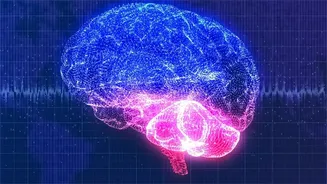
swipe brings something new, exciting, or funny, training our brains to expect and crave constant novelty. One study found that viewing these videos creates higher brain activations in areas associated with attention, which over time can lower our capacity for sustained focus. This isn't just a feeling; research has linked high TikTok usage with greater fluctuation in attention and even impaired memory. While the popular idea that our attention spans are shorter than a goldfish's is a myth, what has changed is our attention's quality. It has become fractured, trained to skim and toggle until something provides an immediate hook.
The End of Focused Viewing?
This cognitive shift is dramatically reshaping our movie-watching habits. The most common change is the rise of 'second-screening'. Recent surveys show that an overwhelming majority of Americans, as high as 76% to 87%, use a second device like a phone while watching TV at home. This habit has become the default behaviour for many viewers. For some, the TV is now just background noise to their primary activity of scrolling. This divided attention means viewers often miss crucial plot points or subtle character moments, forcing them to rewind or simply accept a surface-level understanding of the story. In a more extreme trend, some users now consume entire feature films cut into dozens of one-minute clips on platforms like TikTok, seeking the plot without the patience required for traditional viewing. It's a fundamental change from immersive spectatorship to fragmented consumption.
How Movies Are Adapting
The film industry is not oblivious to this trend. In response, many mainstream blockbusters appear to be accelerating their pacing. The average shot length in films has decreased significantly over the decades, from around 12 seconds in 1930 to as low as 2.5 seconds today. Thrillers like the 'Bourne' series feature editing so rapid, with cuts every couple of seconds, that they almost mimic the frantic energy of a social media feed. Some productions are now reportedly written with the 'second screen' viewer in mind, using more narration and repetitive plot points to ensure the story is understood even if someone isn't looking at the screen. However, there is a paradox: while our patience for individual scenes seems to be shrinking, the runtimes of the biggest blockbuster films have actually gotten longer. This suggests that while we might get restless during slow moments, we still have an appetite for epic, immersive stories if they can hold our selective attention.
A Rebellion of Stillness
As a direct response to the hyper-speed of modern media, a counter-movement known as 'slow cinema' is gaining traction. This genre champions long, unbroken takes, minimal dialogue, and an emphasis on mood and atmosphere over plot. Films like 'Past Lives' and 'Drive My Car' have found critical acclaim and an appreciative audience, particularly among younger viewers who seem to be growing tired of formulaic, fast-paced blockbusters. These films demand a different kind of engagement, inviting viewers to become active participants in constructing meaning rather than passive consumers of spectacle. Streaming services have helped this niche genre find a wider audience, offering a contemplative and mindful viewing experience that feels like a necessary antidote to our frenetic digital lives. It's a quiet rebellion that reclaims cinema as a space for reflection, not just distraction.