

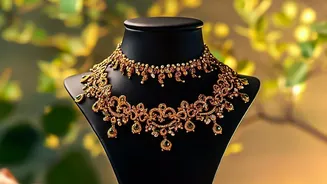


The Purity Question: Durability vs. Intrinsic Value
The fundamental difference lies in purity. 24 karat (24K) gold is the purest form you can buy, boasting 99.9% gold content. This makes it incredibly valuable but also very soft and malleable, which is why it's not ideal for everyday jewellery that needs
to withstand wear and tear. On the other hand, 22 karat (22K) gold is about 91.67% pure gold, with the remaining 8.33% made up of alloys like silver, copper, or zinc. This alloy mixture gives 22K gold its necessary strength and durability, making it the preferred choice for crafting intricate and long-lasting ornaments. So, your first consideration is a trade-off: the maximum intrinsic value of 24K gold versus the practical durability of 22K gold.
Breaking Down the Cost: Making Charges and Other Fees
When you buy gold jewellery, the price is not just the value of the gold itself. A significant portion of the cost comes from 'making charges' or 'wastage charges'. These fees cover the craftsmanship and labour involved in turning raw gold into a beautiful design and can range from 5% to over 25% of the gold's value, depending on the complexity of the piece. This cost is largely non-recoverable when you sell. Gold coins, particularly 24K ones, have a much simpler cost structure. While there might be a small premium or minting charge, it is significantly lower than the making charges for jewellery, often in the range of 1% to 4%. This means that with coins, more of your money goes directly into the value of the gold itself, making it a more cost-efficient purchase from a purely financial standpoint.
The Investment Angle: Resale Value and Liquidity
Your buying goal is most critical when considering resale. If your primary objective is investment and wealth preservation, 24K gold coins are the clear winner. Their value is tied directly to the market price of pure gold, and they offer high liquidity. When you sell a 24K coin, you typically receive a price very close to the prevailing rate for pure gold. Selling 22K jewellery is a different story. The price you get will be based on the weight and purity of the gold content, but the substantial making charges you paid are almost always a sunk cost. The jeweller will melt the piece and value it based on its 91.6% gold content, meaning you lose the 10-25% you paid for the craftsmanship. Therefore, from a pure return-on-investment perspective, coins retain their value far more effectively.
Utility and Purpose: Adornment vs. Asset
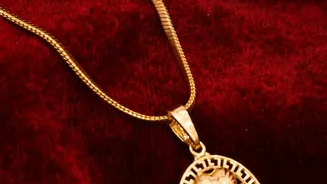
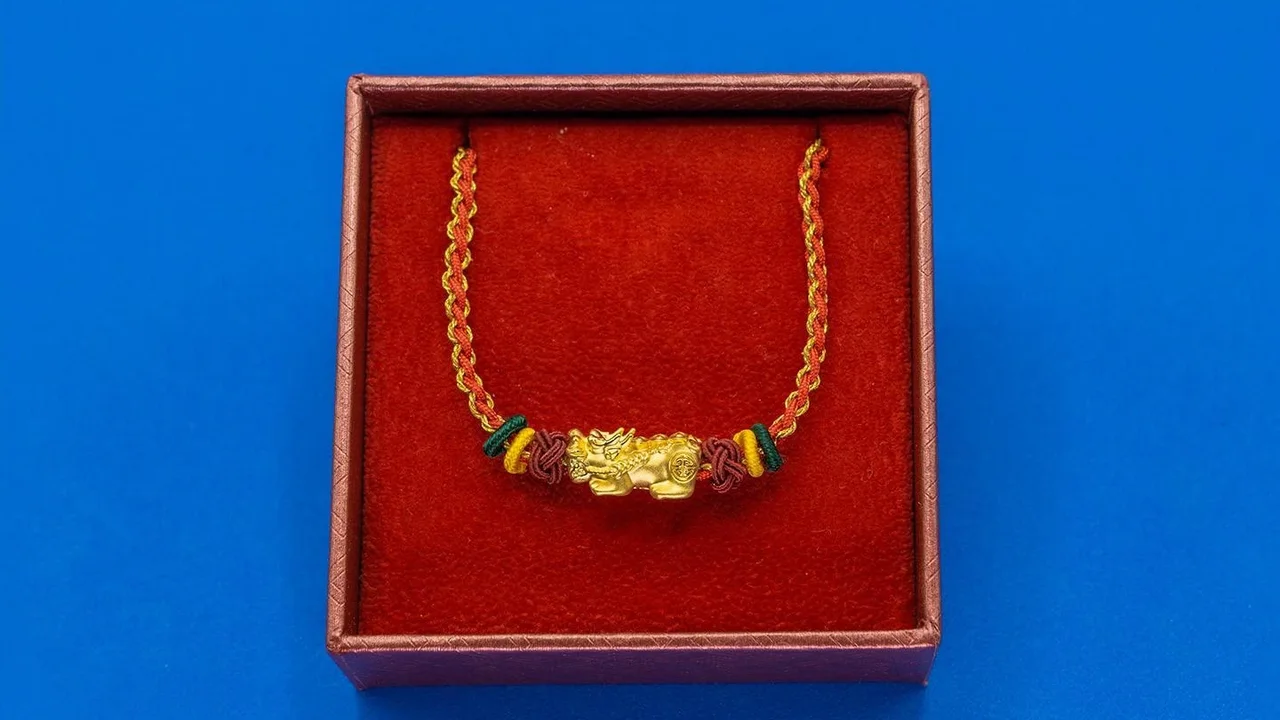
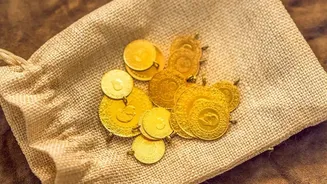
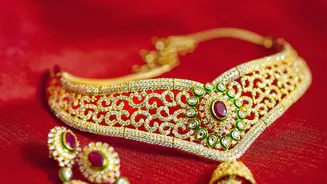
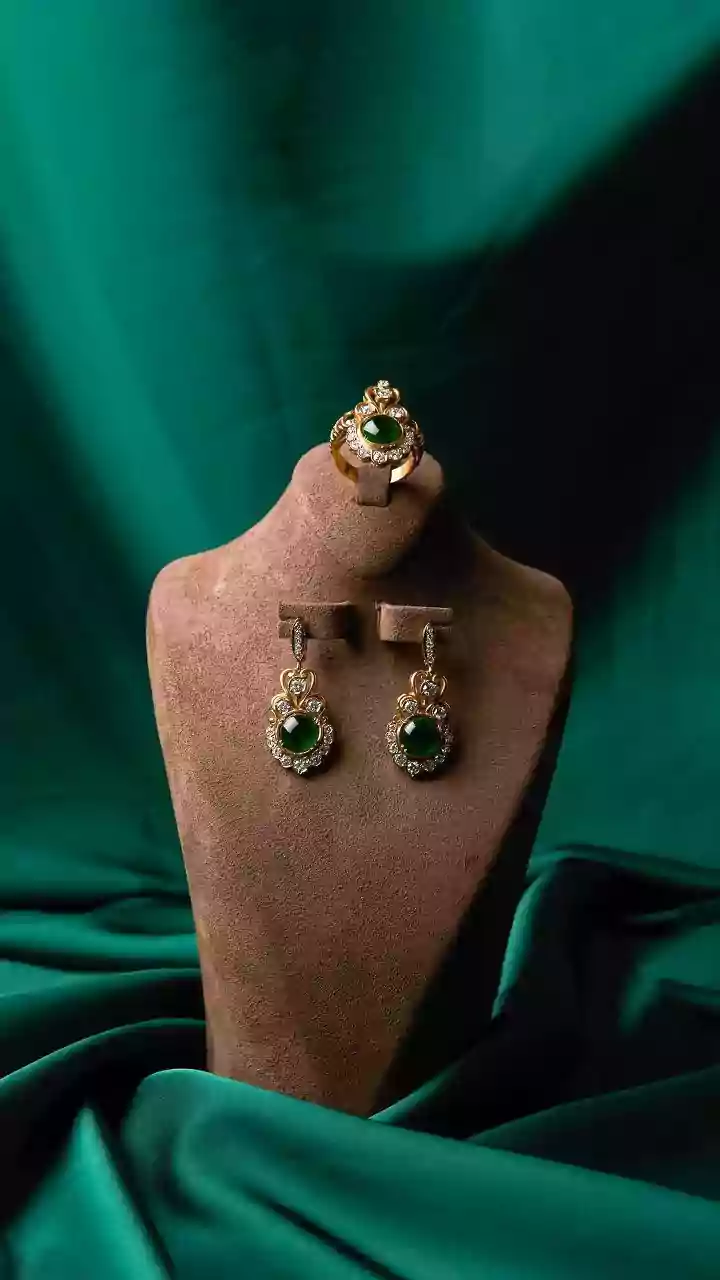
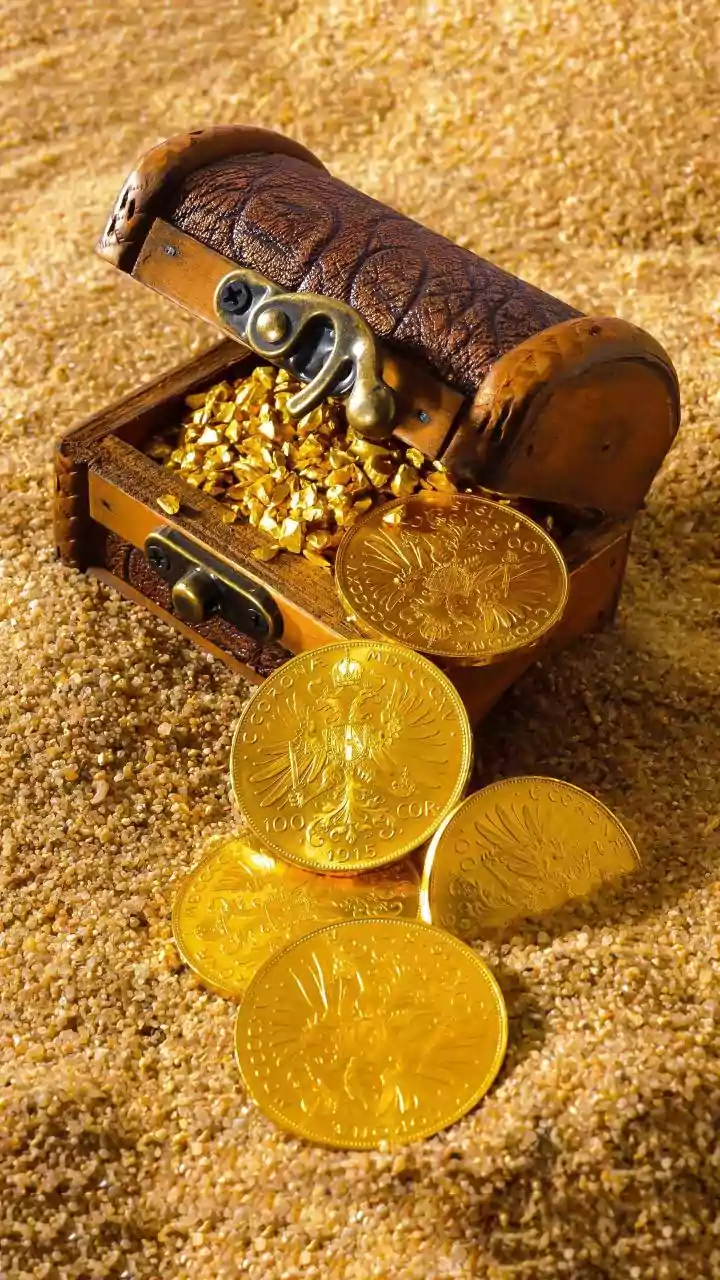
This is where jewellery shines. A gold necklace or a pair of bangles has a utility that a coin in a locker does not: you can wear it. Jewellery is part of cultural celebrations, family traditions, and personal style. It carries emotional and aesthetic value that an investment asset doesn't provide. For milestones like weddings and festivals, jewellery is often the only form of gold considered. Gold coins are purely a financial instrument. They are easy to store, stack, and are available in various weights, from as little as one gram, making them accessible for systematic saving. Their purpose is not to be displayed but to act as a secure, tangible asset in your portfolio. Your choice hinges on whether you want an asset you can wear and enjoy, or one that is optimised for simple, efficient wealth storage.
Making the Right Choice for Your Goal
To simplify the decision, let's align the product with the purpose. If you are buying for a wedding, a festival, or as a personal adornment that doubles as a long-term store of value, 22K hallmarked jewellery is the appropriate choice. You are paying for both the metal and the artistry, with the understanding that the art portion of the cost is not an investment. If your goal is purely financial—to save, invest, and preserve wealth with maximum efficiency and liquidity—then 24K gold coins or bars are unequivocally the superior option. They offer higher purity, lower additional costs, and a much better resale value, aligning perfectly with the objectives of a savvy investor.