




Prepare Your Vehicle Before You Leave
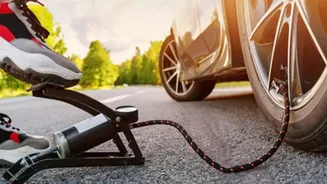
A safe journey in the rain begins before you even start the engine. Your vehicle's condition is your first line of defence. Start with your tyres; ensure they have adequate tread depth and are inflated to the manufacturer's recommended pressure. Worn
or underinflated tyres struggle to channel water away, dramatically increasing the risk of losing control. Next, check your windshield wipers. If they leave streaks or skip across the glass, replace them immediately for a clear view. Finally, test all your lights—headlights, taillights, and indicators. In a downpour, visibility drops significantly, and functioning lights are crucial for both seeing the road and being seen by others.
Maximise Visibility on the Road
Once you're driving, visibility is your top priority. Turn on your headlights as soon as it starts to rain, even during the day. This is not just about helping you see; it makes your vehicle much more visible to other drivers. Use your low beams, as high beams can create glare by reflecting off the raindrops. As the humidity changes, your windows will likely start to fog up. Use your car’s defogger or air conditioning system to keep the glass clear on all sides. A clean interior windshield can also reduce the rate at which fog forms. Some drivers also find that applying a rain-repellent product to the windshield helps water bead up and roll off more effectively.
Adjust Your Driving Technique
Wet roads are fundamentally different from dry ones. The most important adjustment is to slow down. Posted speed limits are for ideal conditions, not heavy rain. Reducing your speed gives your tyres a better chance to maintain grip and increases your reaction time. Secondly, increase your following distance. Instead of the usual two or three-second gap, allow at least four to six seconds between you and the vehicle ahead. This provides the extra space needed for braking on slick surfaces, as stopping distances can double in the rain. Avoid sudden movements, such as abrupt braking or sharp turns, which can easily cause a skid. Never use cruise control in the rain; you need to have full manual control over your speed.
Beware of Water-Related Hazards
Rain creates hidden dangers, with hydroplaning being one of the most frightening. Hydroplaning occurs when your tyres lose contact with the road and skim across a layer of water, causing a total loss of control. It can happen at speeds as low as 55 km/h. To avoid it, slow down and steer around puddles and standing water where possible. If you feel your car start to hydroplane, do not slam on the brakes or jerk the steering wheel. Instead, calmly ease your foot off the accelerator and steer straight ahead until you feel the tyres regain traction.
Navigating Waterlogged Streets
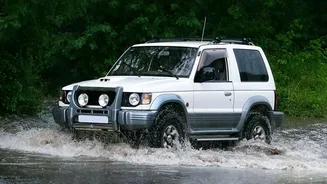
In many Indian cities, monsoons mean waterlogged roads. It is always safest to avoid driving through standing water, as it's impossible to know its true depth or if it conceals potholes or debris. A mere 15 centimetres (about 6 inches) of water can be enough to damage your car's electronics or engine. If you have no alternative, assess the depth by watching other cars or checking against the curb. If you decide it's safe to proceed, drive through slowly and steadily in a low gear. Driving fast creates a bow wave that can flood your engine bay. After passing through water, gently tap your brakes a few times to help dry them out and ensure they are working effectively.