


The Daily Dinner Plate Challenge
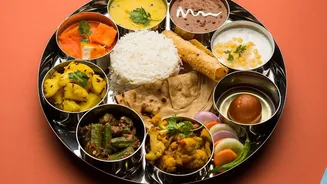
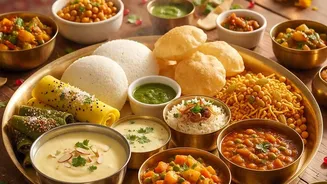
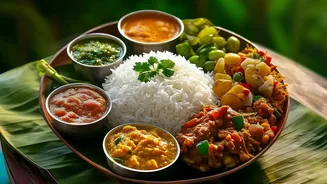
A traditional Indian thali is a masterclass in balance, ideally featuring carbohydrates, protein, and a vibrant array of vegetables. Guidelines often suggest filling half your plate with vegetables. But in the rush of daily life, our plates often become
heavy on grains (rice and roti) and lighter on the vegetable front. Preparing multiple, complex sabzis from scratch is time-consuming and can feel daunting after a long day. This is where a simpler, faster method can completely change your dinner routine without sacrificing flavour or health.
Why Sautéing Is Your Secret Weapon
Sautéing is the process of cooking food quickly in a small amount of oil over medium-high heat. Unlike boiling, which can cause water-soluble nutrients like Vitamin C to leach out, a quick sauté helps vegetables retain more of their vitamins and minerals. The quick cooking time keeps vegetables tender-crisp, preserving their texture and natural sweetness. It also has a health advantage over deep-frying by using significantly less oil, keeping calories in check. This method is not only fast but also enhances the absorption of fat-soluble vitamins (A, E, and K) present in the vegetables.
The Master Technique: Simple and Swift
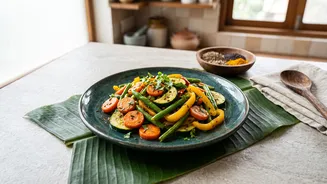
Mastering the art of the sauté is easy. Start by heating a tablespoon of oil or ghee in a pan or kadai over medium-high heat. Once hot, you can add whole spices like cumin or mustard seeds and let them pop to create a flavourful base. Next, add your harder vegetables, such as carrots or beans, and cook for a few minutes, stirring occasionally. Then, add quicker-cooking vegetables like bell peppers, zucchini, or mushrooms. Season with salt, pepper, turmeric, and any other powdered spices you prefer. Continue to cook, stirring frequently, until the vegetables are brightly coloured and crisp-tender, which usually takes just 8-10 minutes.
The Best Vegetables for a Quick Sauté
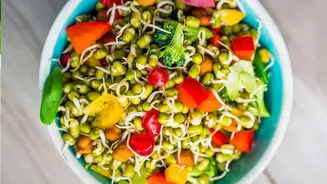
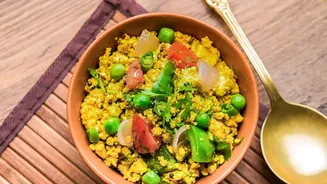
The beauty of this method lies in its versatility. You can use a single vegetable or a mix of whatever you have on hand. Excellent choices for Indian-style sautéing include carrots, green beans, cabbage, bell peppers (capsicum) of all colours, cauliflower or broccoli florets, mushrooms, and zucchini. Even sweeter vegetables like potatoes and sweet potatoes work well, though they might require a slightly longer cooking time. Chopping your vegetables into uniform, bite-sized pieces ensures they all cook evenly and quickly.
Effortless Flavour Combinations
While a simple tempering of cumin seeds, turmeric, and salt is delicious on its own, you can easily create different flavour profiles. For a classic North Indian touch, add a pinch of garam masala and a sprinkle of red chilli powder towards the end of cooking. For a South Indian flair, use mustard seeds, curry leaves, and a pinch of asafoetida (hing) in the initial tempering. A squeeze of lemon juice or a sprinkle of amchur (dry mango powder) at the end can add a bright, tangy finish that lifts the entire dish. Don't be afraid to experiment with your favourite spice blends.
Meal Prep and Integration
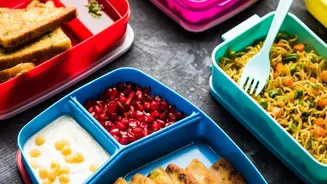
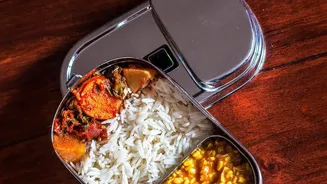
Sautéed vegetables are perfect for meal prepping. You can make a large batch at the beginning of the week and store it in an airtight container in the refrigerator for up to four days. This makes assembling your dinner plate incredibly fast. Simply add a generous scoop alongside your dal and rice or roti. You can also mix them directly into your dal to create a simple sambar-like stew, use them as a filling for wraps, or even top a toast for a quick breakfast the next morning. It's a simple strategy that ensures you're hitting your vegetable goals with minimal daily effort.