




Crisis at 33,000 Feet
On September 30, Flydubai flight FZ1073 from Dubai to Tel Aviv experienced a severe in-flight incident. Reports from Israeli officials and passengers indicate that a violent altercation broke out in the cockpit, with one pilot allegedly attacking the other
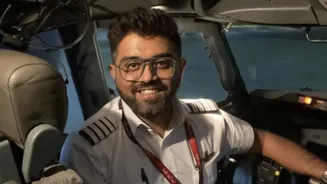
in an attempt to crash the aircraft. This led to a terrifyingly rapid descent of thousands of feet in minutes before the crew and intervening passengers could regain a measure of control. The injured captain, an Indian national named Smit Machchhar, was praised for his bravery in resisting the attack and opening the cockpit door, which allowed off-duty crew and passengers to intervene. The plane, carrying 174 people, was successfully diverted to Tabuk, Saudi Arabia, averting a catastrophe. While flydubai has confirmed an altercation occurred, they have urged against speculation as a formal investigation is underway.
First Responders in the Aisle
For many travellers, the cabin crew are seen as providers of hospitality—serving meals and ensuring comfort. However, their primary and most vital role is safety. The incident on flight FZ1073 is a stark reminder that cabin crew are the first line of defence in any airborne crisis. They are highly trained professionals prepared to manage everything from medical emergencies and fires to security threats and, as seen in this case, even chaos originating from the flight deck. Their ability to maintain calm, direct passengers, and execute emergency procedures under extreme pressure is not a matter of personality; it is the result of intensive and continuous training.
The Rigorous World of Crew Training
Becoming a member of the cabin crew involves far more than learning service etiquette. Their training is governed by strict international regulations, including those from authorities like the Federal Aviation Administration (FAA) and the European Union Aviation Safety Agency (EASA). This training covers a vast range of scenarios. They learn to fight fires in smoke-filled cabins, perform CPR and use defibrillators for medical emergencies at 35,000 feet, and manage unruly or dangerous passengers. A critical component is evacuation training, where crews must prove they can evacuate a full aircraft in 90 seconds or less, often in simulated darkness. They also drill for water landings (ditching) and survival situations, ensuring they can lead passengers until rescue arrives. This constant preparation ensures their response in a real emergency is second nature.
Coordination and Communication
During an emergency, the cabin crew acts as the crucial link between the flight deck and the passengers. They are the eyes and ears for the pilots, who are isolated in the cockpit. They are trained to assess situations in the cabin, relay precise information, and then carry out instructions. This coordinated effort is part of what is known as Crew Resource Management (CRM), a practice that emphasizes communication and teamwork to reduce human error. In the Flydubai incident, it was the swift action of both on-duty and off-duty crew members, along with passengers, that contained the threat. This highlights how a well-trained team can function cohesively even in the most unimaginable circumstances, proving that safety protocols extend far beyond the cockpit door.