


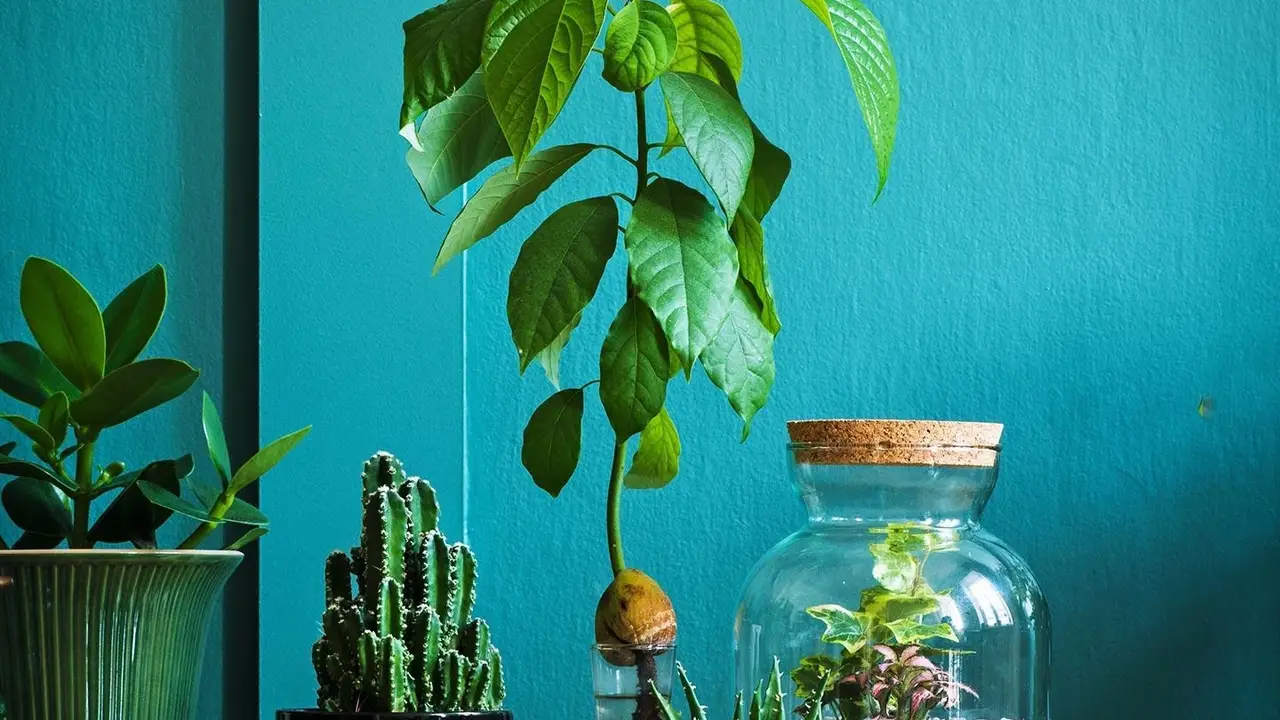
More Than Just Decoration
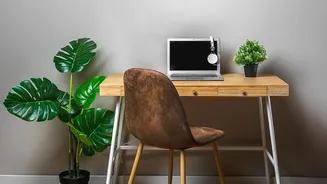
Before diving into design, it’s worth noting why plants are such a powerful addition to a workspace. Beyond aesthetics, studies have shown that having greenery in your office can reduce stress, improve concentration, and even boost productivity. Research
indicates that even a brief glance at a plant can help refresh your focus, providing a micro-break for your eyes and mind. Plants also help absorb sound, which can reduce echo and background noise during calls, a common issue in home offices that are often part of larger living spaces. They bring a sense of calm and can help make your workspace feel more balanced and less sterile.
Your First Green Employees
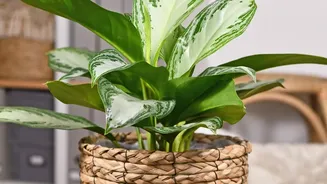
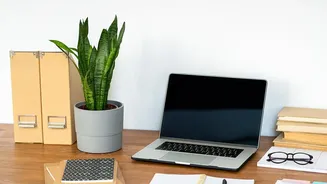
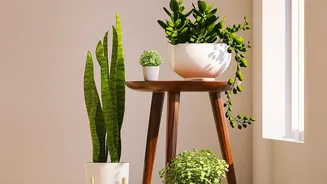
For a beginner, the key is to choose plants that are forgiving and thrive in typical indoor conditions, which often means lower light. You don't need a green thumb to get started with these famously resilient options: Snake Plant (Sansevieria): Often called the 'most beginner-proof plant', it is incredibly hardy, tolerates low light, and requires infrequent watering. Its upright leaves add a modern, architectural touch. ZZ Plant (Zamioculcas zamiifolia): With glossy, dark green leaves, the ZZ plant is nearly indestructible and thrives on neglect. It's perfect for a dim corner where other plants might struggle. Money Plant (Pothos): A staple in many Indian homes, this fast-growing vine is versatile and forgiving. You can let its trails hang from a shelf or guide it to climb, adding lush greenery that’s believed to bring good luck. Spider Plant (Chlorophytum comosum): This plant is an excellent air purifier and is famously easy to grow. It produces 'pups' or baby plants that can be easily replanted, giving you more greenery for free.
Designing with Plants in Mind
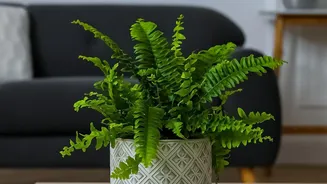
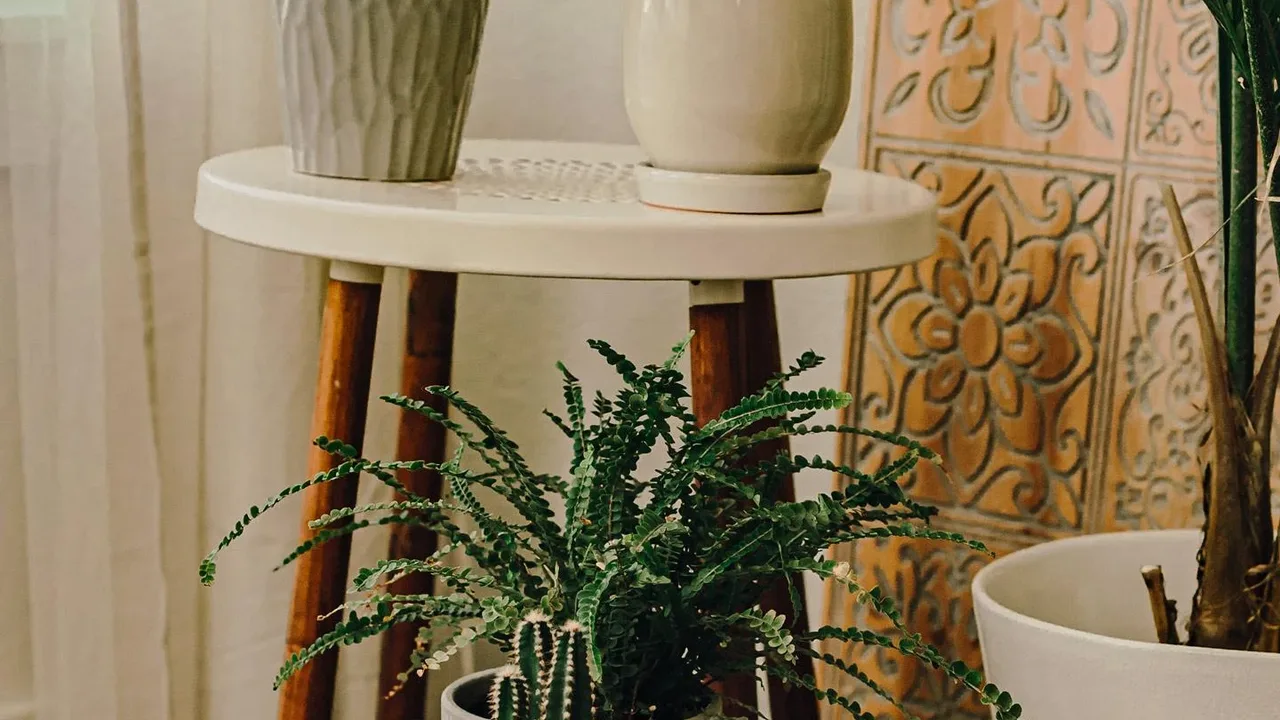
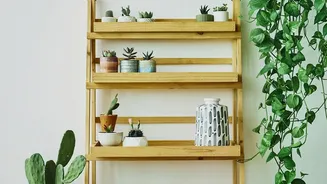
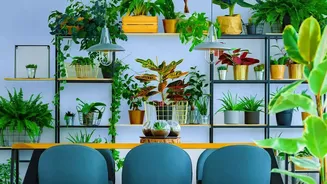
In a small WFH setup, every inch counts. Instead of cluttering your limited desk area, think vertically. Use floating shelves, wall-mounted planters, or macramé hangers to draw the eye upward and free up floor space. A tall, narrow plant like a Snake Plant can be placed in an awkward corner, taking up minimal floor space while adding significant visual impact. Don't be afraid to group plants. A cluster of three small plants with varying heights and textures on a shelf or in the corner of your desk can look more deliberate and stylish than single, scattered pots. This also creates a mini-ecosystem that can help maintain humidity.
Finding Pots on a Shoestring Budget
Sophistication doesn't have to be expensive. You can create stylish planters by upcycling items you already have at home. Old mugs, mason jars, and even tin cans can be transformed into charming pots. A coat of paint or some rope wrapped around a can is a simple DIY trick. Coconut shells make for unique, rustic hanging planters. Don't overlook old items like teacups for tiny succulents or even sturdy cardboard boxes lined with plastic for a temporary, eco-friendly option. This approach not only saves money but also adds a personalised, creative touch to your workspace.
Keeping Your Greenery Thriving
The biggest mistake beginners make is overwatering. For most of the easy-care plants mentioned, it's best to wait until the top inch or two of soil is dry before watering again. Snake Plants and ZZ Plants, in particular, prefer to be on the drier side. A good rule of thumb is to check the soil with your finger instead of watering on a strict schedule. Every few weeks, wipe down the leaves with a damp cloth to remove dust, which helps the plant absorb light more efficiently. Finally, rotate your plants every so often to ensure they get light on all sides and grow evenly.