





The Southern Cacao Belt
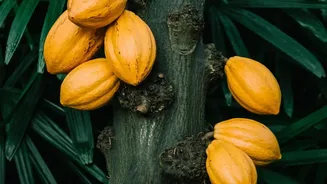
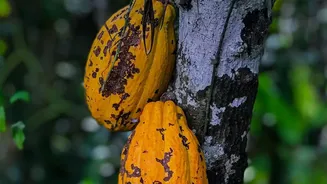
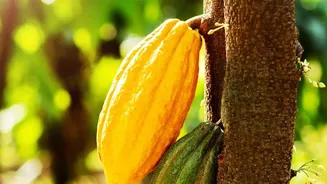
While India is not a global giant in cacao production, its southern states—primarily Andhra Pradesh, Kerala, Tamil Nadu, and Karnataka—provide the perfect tropical climate for the crop to thrive. For decades, Indian cacao was cultivated mainly as a bulk
commodity for large confectioners, with little focus on quality or flavour. Introduced commercially in the 1960s and 70s, often at the encouragement of companies like Cadbury, cacao was typically intercropped with coconut and areca nut, a practice that continues today and incidentally contributes to the beans' unique flavour profiles. Andhra Pradesh has since emerged as the country's leading producer, surpassing Kerala in recent years. This agricultural foundation, once overlooked, is now the bedrock of a premium industry.
The Bean-to-Bar Philosophy
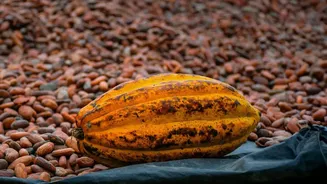
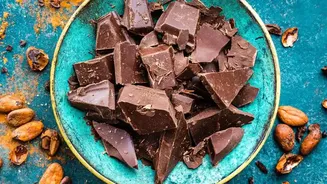
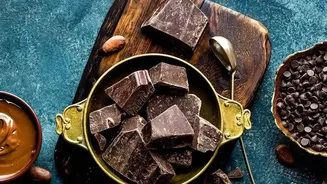
The critical shift came with the emergence of the 'bean-to-bar' movement in India. This model represents a radical departure from industrial chocolate making. Instead of using pre-made chocolate, bean-to-bar chocolatiers control the entire process, from sourcing high-quality beans directly from farmers to roasting, grinding, and tempering them into finished bars. This meticulous approach allows makers to highlight the distinct 'terroir'—the unique flavours imparted by the soil, climate, and farming practices of a specific region. For South Indian farmers, this movement has been transformative. It provides an incentive to move beyond just maximising yield and to focus on superior fermentation and drying techniques that produce flavourful, high-quality beans.
A New Partnership: Farmer and Chocolatier
The rise of craft chocolate has forged a powerful new relationship between farmers and entrepreneurs. Brands like Manam, Paul and Mike, and Mason & Co work directly with farmers, often paying a premium for their best beans and collaborating on post-harvest processes to ensure quality control. Hyderabad-based Manam, for example, pays farmers a significant premium over market price and handles the post-harvest protocols themselves, ensuring consistency and quality while improving farmer income. This direct trade model eliminates intermediaries, boosts rural economies, and provides chocolatiers with traceable, high-quality raw materials. It’s a symbiotic relationship that elevates the entire supply chain from a simple commodity transaction to a collaborative craft.
Discovering a Uniquely Indian Flavour
Indian craft chocolate is not trying to imitate its European counterparts; it’s creating a distinct identity. The beans themselves offer a complex palette of flavours. Cacao from Karnataka might have nutty or spicy notes, while beans from Kerala can be distinctly fruity. This is often due to intercropping with spices like pepper and cardamom or fruits like banana and jackfruit. Chocolatiers are leaning into this, creating bars that showcase the single-origin characteristics of regions like the Godavari delta or the Idukki hills. This focus on regional flavour provides a unique selling proposition and offers consumers a taste of India's rich biodiversity in every bite.
Challenges and the Bright Future
The path forward is not without its hurdles. The Indian craft chocolate market, while growing, is still a niche segment compared to the mass market. Challenges include building wider consumer awareness, navigating climate sensitivity which affects crop yields, and developing infrastructure for logistics and processing. However, the momentum is undeniable. With global cocoa prices soaring due to shortages in West Africa, the demand for and value of Indian beans has increased. As more consumers seek out authentic, high-quality, and ethically sourced products, the synergy between South India’s cacao growers and its innovative chocolatiers is poised to create a lasting and delicious legacy.