




What Exactly Is the Hidden Lotus?
Gupta Padmasana, which translates from Sanskrit to 'Hidden Lotus Pose', is an advanced yoga asana that requires immense flexibility, stability, and control. The pose begins in the classic Padmasana (Lotus Pose), where each foot is placed on the opposite
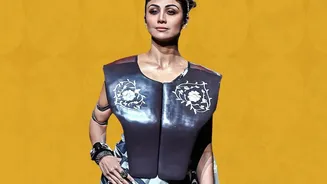
thigh. From there, the practitioner comes onto their knees, leans forward to rest their chest and chin on the floor, and binds their hands behind their back. As demonstrated by Shilpa Shetty, the final form involves lying prone with legs in lotus and hands clasped behind the back, lifted towards the ceiling. It's a deep forward bend combined with a complex leg bind and a chest-opening shoulder stretch, making it a multifaceted and challenging posture.
The Powerful Physical and Mental Benefits
There's a reason seasoned practitioners work towards a pose like Gupta Padmasana. As Shilpa Shetty noted in her post, the benefits are significant. Primarily, it is an intense hip-opener that stretches and mobilises the hips, pelvis, knees, and ankles. The forward-bend element stimulates the abdominal organs, which can aid in digestion, while the bound-arm variation provides a deep stretch across the chest and shoulders. This chest-opening action is particularly beneficial for improving posture and counteracting the slouched shoulders that can result from long hours spent sitting at a desk. On a mental level, the focus required to enter, hold, and exit the pose safely encourages a profound sense of body awareness and can have a calming, meditative effect.
A Clear Warning: Why This Isn't for Everyone
The very elements that make this pose beneficial also make it risky if attempted without adequate preparation. The headline's warning is crucial: this pose is not suitable for beginners. Attempting Padmasana and its variations without sufficient hip flexibility places enormous strain on the knee and ankle joints, which are not designed for that kind of rotational torque. The National Institutes of Health has identified lotus position variations as being among the postures most frequently associated with yoga-related adverse events. Forcing the body into this shape can lead to serious ligament tears or joint damage. Shilpa herself cautioned that anyone with hip, knee, shoulder, or cervical spine injuries should avoid this pose entirely. It is an aspirational posture that should only be approached after years of consistent practice and under the guidance of a qualified instructor.
Building the Foundation Safely
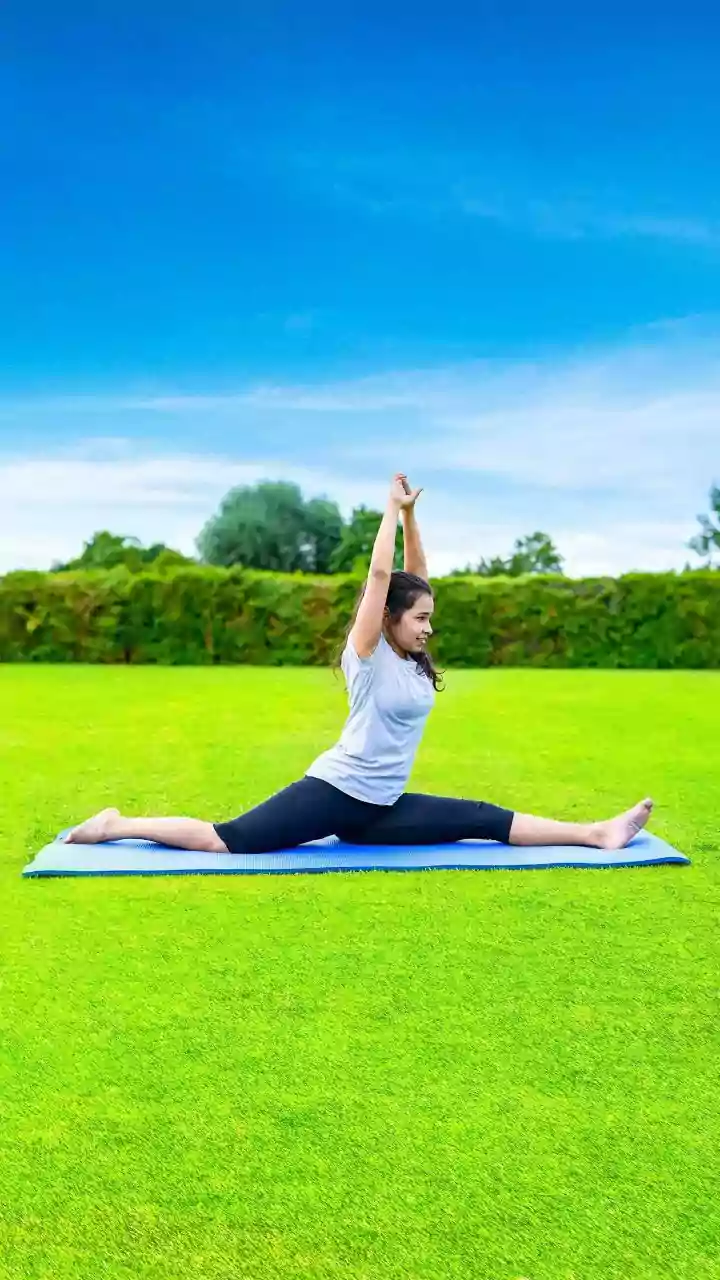
Inspired but not yet ready? The good news is that the journey towards advanced poses is made of small, safe steps. Instead of jumping into the 'Hidden Lotus,' focus on the preparatory poses that build the necessary flexibility and strength. Start with foundational hip-openers like Baddha Konasana (Bound Angle Pose) and Janu Sirsasana (Head-to-Knee Pose). Gradually work on Ardha Padmasana (Half Lotus Pose), which allows you to develop the deep hip rotation required for the full lotus one leg at a time. For the shoulder-opening component, practice Gomukhasana (Cow Face Pose) arms. The key is to listen to your body; sensation is good, but sharp pain is a clear signal to stop.