
Understanding Plant-Based Iron
Iron is a crucial mineral that helps transport oxygen in your blood and provides you with energy. But not all iron is created equal. There are two types found in food: heme iron, which comes from animal sources like meat and poultry, and non-heme iron, which is found in plant-based
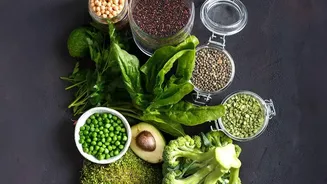
foods like lentils, beans, and leafy greens. Heme iron is relatively easy for our bodies to absorb. Non-heme iron, however, is a bit trickier for our bodies to unlock, meaning we absorb it less efficiently. For those following vegetarian or vegan diets in India, where staples like dal, sabzi, and roti are rich in non-heme iron, understanding how to maximise its absorption is key to preventing iron deficiency.
Vitamin C: The Key to Unlocking Iron
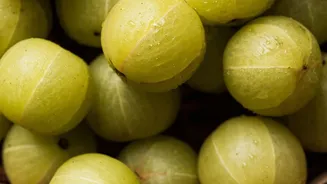
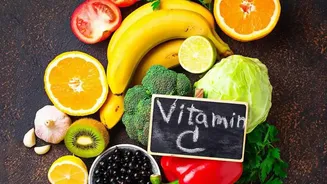
This is where Vitamin C, also known as ascorbic acid, comes in as a powerful ally. Its main role in this process is to transform non-heme iron into a form that is much easier for your body to absorb. Most plant-based iron exists in a chemical state called ferric iron (Fe³⁺). Our intestines, however, are much better at absorbing iron in its ferrous (Fe²⁺) state. Vitamin C acts as a reducing agent, donating an electron to convert Fe³⁺ to the more bioavailable Fe²⁺. Think of it as Vitamin C changing the lock so your body's key can finally fit and open the door to iron absorption. This chemical reaction happens right in your gut as you digest your meal.
Can It Really Double Absorption?
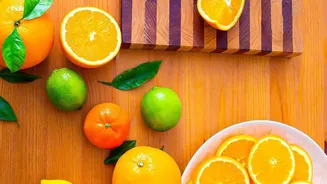
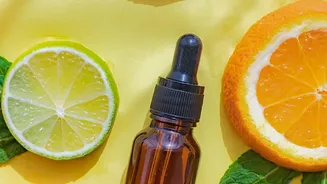
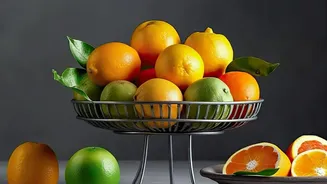
The headline's claim of doubling iron absorption is not an exaggeration; in fact, it might be an understatement. Research has consistently shown that Vitamin C is one of the most potent enhancers of non-heme iron absorption. Studies indicate that adding it to a meal can increase iron uptake by two to seven times, depending on the meal's overall composition. The enhancement is directly proportional to the amount of Vitamin C present; the more you add, the greater the effect. This is particularly effective in meals high in iron inhibitors, such as phytates found in whole grains and legumes, and polyphenols in tea and coffee. Adding just 25-50 mg of Vitamin C to a meal—the amount in about half an orange or a good squeeze of lemon—can make a significant difference.
Perfect Pairings for Your Indian Kitchen
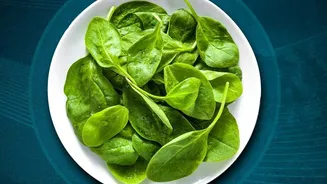
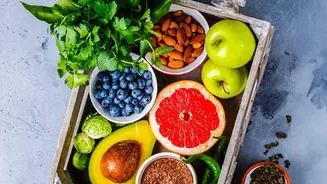
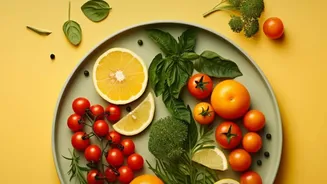
Making this nutritional science work for you is simple and delicious. The Indian diet is full of opportunities to create these powerful food combinations. A generous squeeze of nimbu (lemon) over a bowl of palak (spinach) or methi (fenugreek) dal is a classic example. Adding tomatoes, which are rich in Vitamin C, to a chana (chickpea) or rajma (kidney bean) curry also works wonders. Consider having a small glass of fresh orange juice with your breakfast or including Vitamin C-rich vegetables like bell peppers (capsicum) and broccoli in your stir-fries and sabzis. Even moringa (drumstick leaves), an iron powerhouse, becomes more effective when paired with a Vitamin C source.
What to Avoid for Better Absorption
Just as some foods enhance iron absorption, others can hinder it. The main culprits are tannins, found in tea and coffee, and to a lesser extent, calcium from dairy products. Polyphenols in beverages like black tea can inhibit non-heme iron absorption by over 60%. To get the most iron from your meals, it’s best to enjoy your morning chai or coffee at least an hour before or after your iron-rich meal, rather than with it. While calcium is an essential mineral, high amounts can interfere with the absorption of both heme and non-heme iron, so it's wise to be mindful of consuming dairy products alongside your main iron sources.