
A New Cosmic Mystery
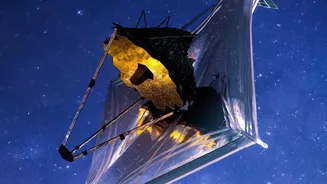
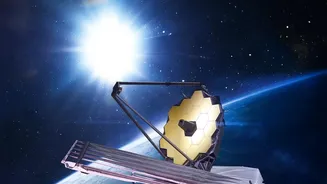
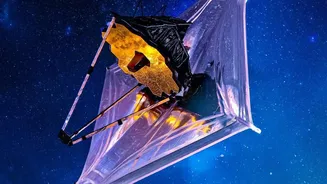
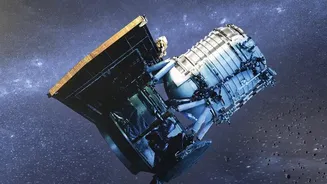
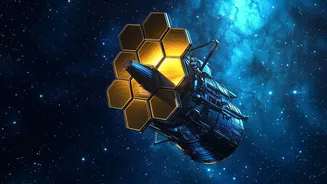
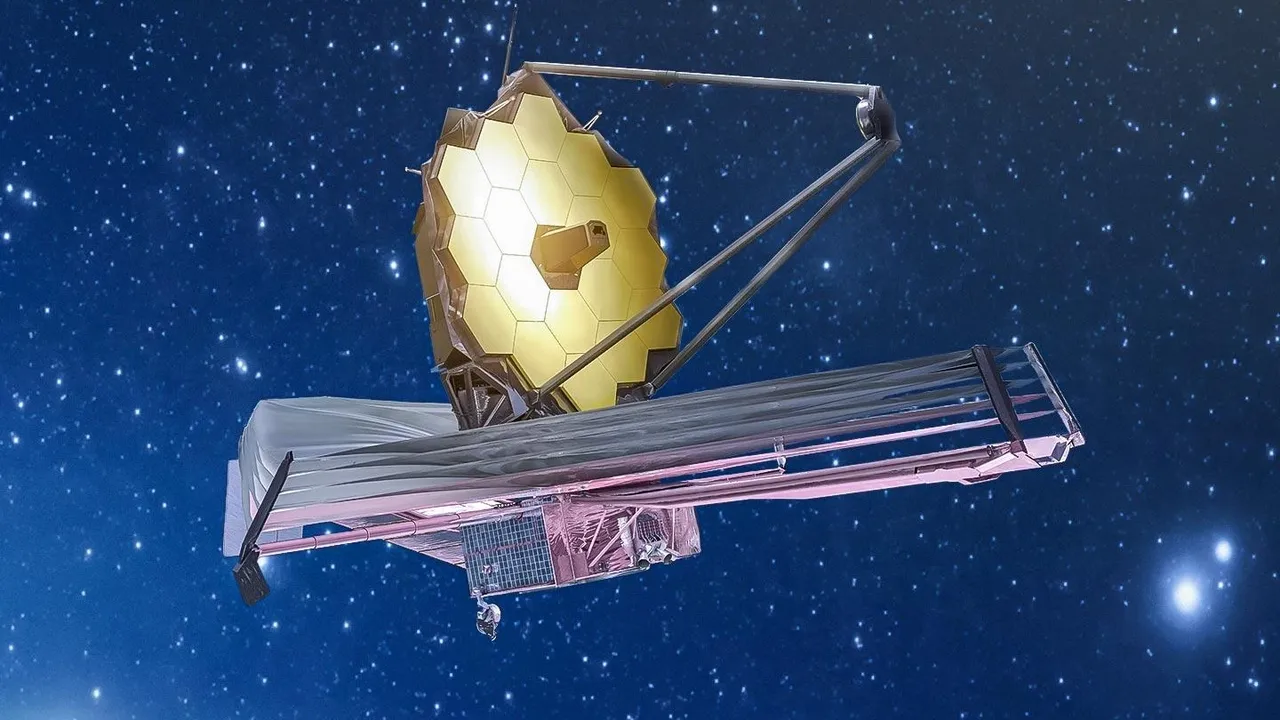
Since it began science operations, the James Webb Space Telescope (JWST) has been discovering objects that challenge our understanding of the cosmos. Among the most puzzling are the 'little red dots' (LRDs). These are compact, reddish objects that appear
in vast numbers in the very early universe, some existing just 600 million years after the Big Bang. Initially, their brightness was confounding. If the light came only from stars, it would imply these were galaxies as massive as our own Milky Way, something that models suggested was impossible so soon after the universe's birth. This contradiction led to headlines about 'universe-breaking' discoveries and sent astronomers scrambling to understand what they were truly seeing.
Why Red and Why So Far?
The 'red' in 'little red dots' comes from two main factors. First, these objects are incredibly distant. As light travels across the expanding universe for billions of years, its wavelength gets stretched, shifting it towards the red end of the spectrum—a phenomenon called cosmological redshift. The JWST, with its powerful infrared instruments, is perfectly designed to see this faint, ancient light. But there's more to it. Many of these objects are also intrinsically red, likely because they are shrouded in thick clouds of cosmic dust, which obscures bluer light and gives them their signature ruddy appearance. This dust cloak also makes them difficult to study, but it's a key clue to their identity.
The Prime Suspect: Active Black Holes
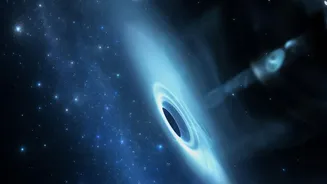
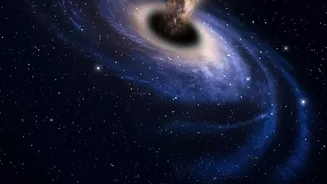
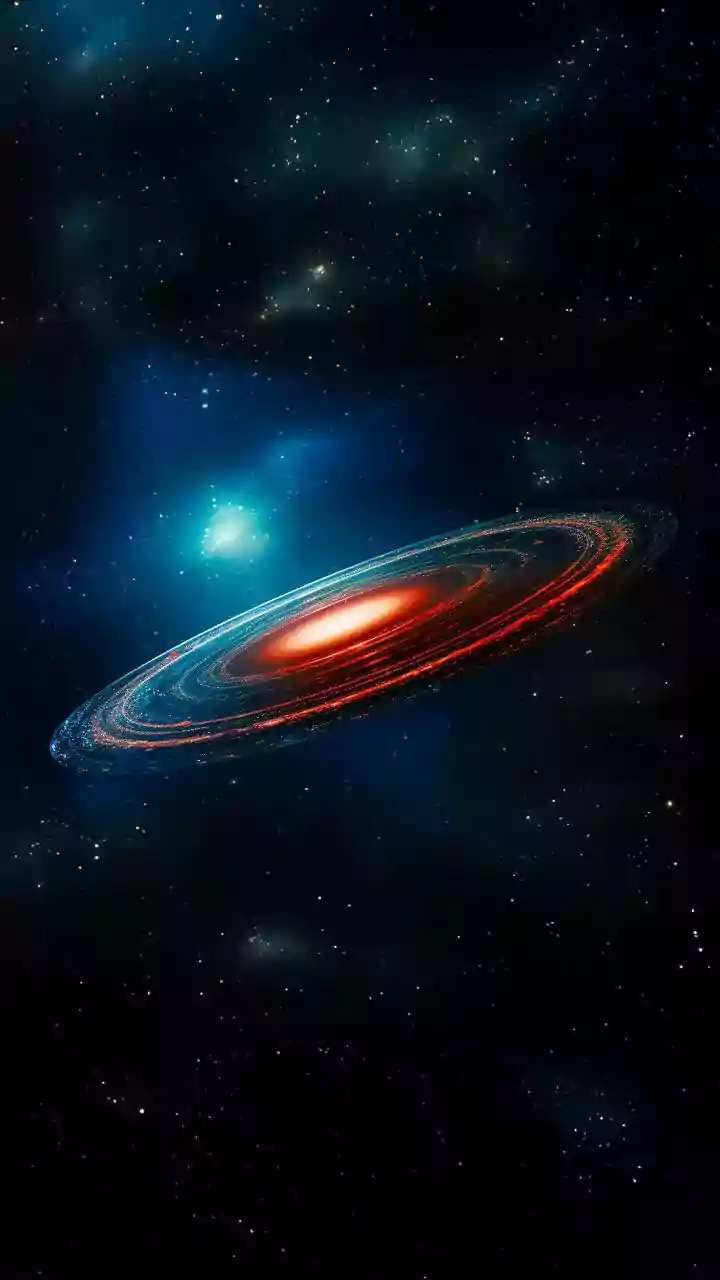
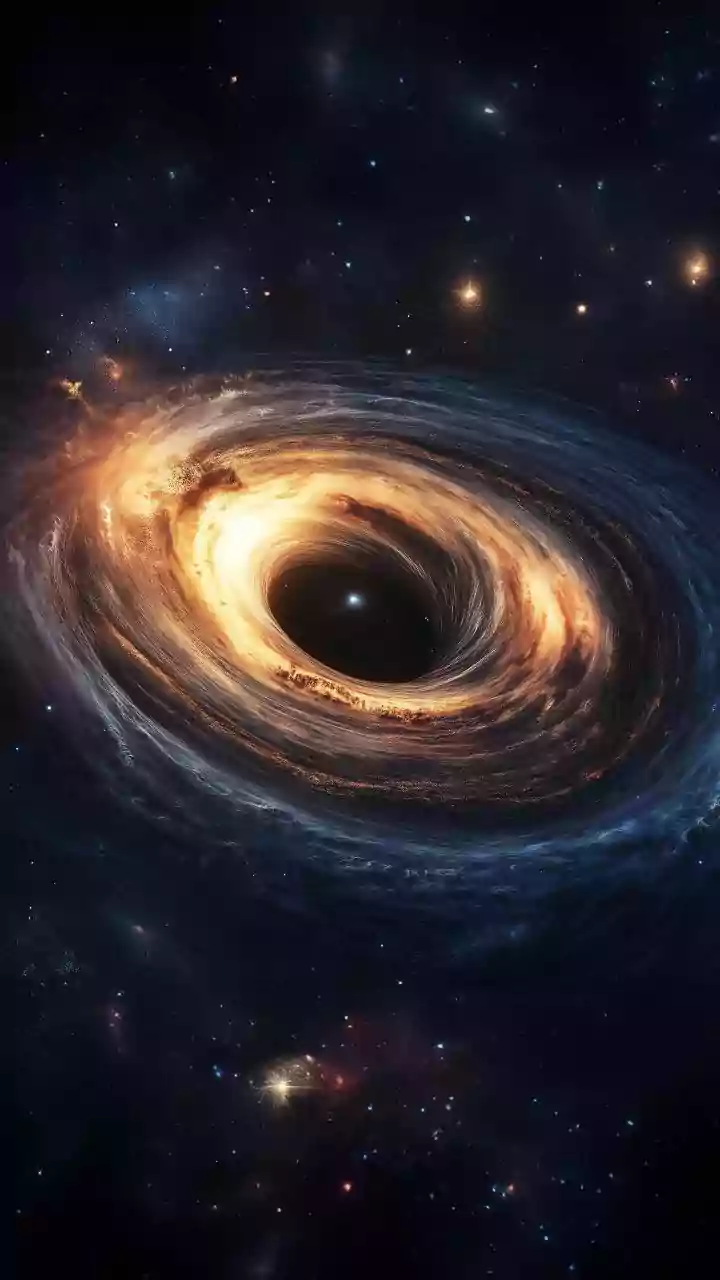
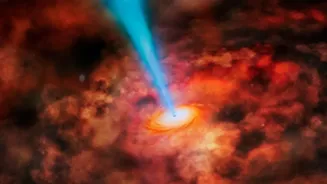
Instead of being impossibly large galaxies, the leading theory is that most LRDs are something far more energetic: active galactic nuclei (AGN). An AGN is a galactic core where a supermassive black hole is actively feeding on a surrounding disk of gas and dust. This process releases an immense amount of energy, making the galaxy's center shine brighter than all its stars combined. This would explain the extreme luminosity of the LRDs without requiring them to be overly massive galaxies. Several studies have found that a high percentage of LRDs show the tell-tale light signatures of gas rapidly swirling into a black hole, strengthening this conclusion.
A Checklist of Cosmic Phenomena
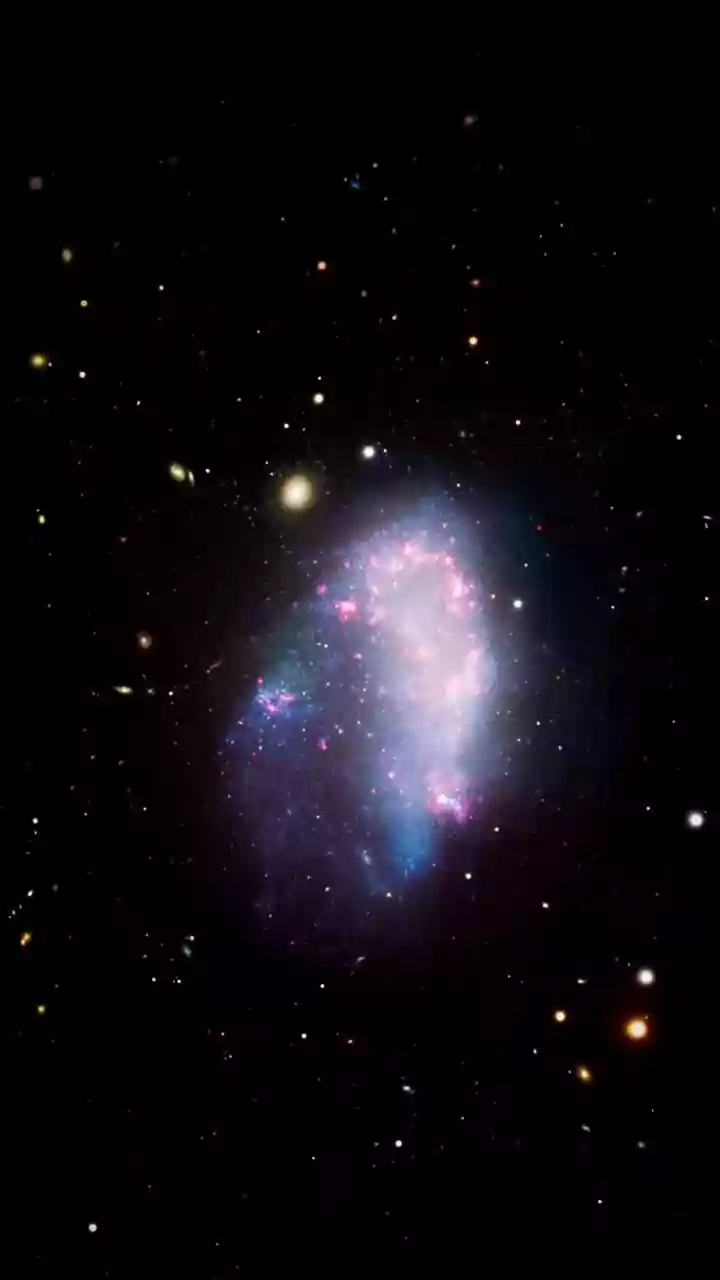
The headline's 'checklist' is an apt description of how scientists are now approaching LRDs. They aren't just one type of object, but a category that includes several phenomena from the dawn of time. Some might be extremely dense and compact star-forming galaxies, but a growing body of evidence suggests many are indeed young, growing supermassive black holes. A recent July 2026 study proposed that LRDs are a temporary, hyperactive phase in a black hole's evolution. By simulating what a closer, known galaxy with an active black hole would look like in the early universe, researchers found it was a perfect match for an LRD. This suggests we are seeing the chaotic adolescence of the supermassive black holes that anchor galaxies today.
Rewriting the Story of the Universe
The confirmation that many LRDs are active black holes presents a new, profound puzzle. How did so many supermassive black holes form and grow so large, so quickly after the Big Bang? This challenges established timelines and suggests they may have formed through more rapid processes, such as the direct collapse of massive gas clouds, rather than growing slowly from smaller stellar-mass black holes. This research is helping to answer a classic chicken-and-egg question in cosmology: which came first, the galaxy or its central black hole? The evidence from these little red dots increasingly points to the black holes being the initial seeds around which the first galaxies began to form.