



India's rich tapestry of culture and nature is seeking wider global recognition. Recently, unique sites from Chhattisgarh and the Andaman & Nicobar Islands were added to the UNESCO Tentative List, a crucial first step towards World Heritage status.
The Path to a UNESCO Plaque
Before
a site can be etched onto the prestigious World Heritage List, it must first feature on its country's Tentative List. This inventory contains properties that a nation considers to have 'outstanding universal value'. Being on this list is a mandatory prerequisite before a formal nomination can be submitted for rigorous evaluation by international advisory bodies like the International Council on Monuments and Sites (ICOMOS) for cultural sites and the International Union for Conservation of Nature (IUCN) for natural ones. This process doesn't guarantee a final inscription, but it signals a country's serious intent to protect and promote a site. In October 2026, India's Permanent Delegation to UNESCO announced the inclusion of three new properties, shining a spotlight on lesser-known but significant parts of the country's heritage.
Chhattisgarh's Ancient Legacy: Sirpur
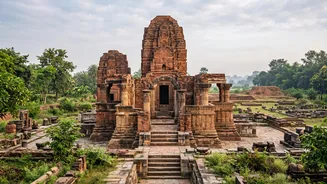
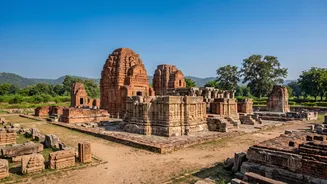
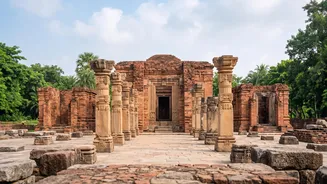
The ‘Sirpur Cultural and Archaeological Landscape’ in Chhattisgarh is one of the latest cultural entrants. Located on the banks of the Mahanadi River, Sirpur, historically known as Shripur, was the capital of South Kosala from the 5th to the 12th centuries. It flourished as a major commercial and cultural hub, and what makes it truly remarkable is the evidence of peaceful coexistence between Hindu, Buddhist, and Jain traditions. The archaeological site is a dense landscape of temples, monasteries (viharas), and stupas within a shared urban space. Key structures in the nomination include the 7th-century brick-built Lakshmana Temple, one of India's finest examples of its kind, alongside the Gandheshwar Temple, Anandprabhu Kuti Vihara, and Swastika Vihara. The nomination highlights how the site illustrates a significant exchange of human values in architecture and town planning over centuries.
Andaman's Geological Wonders
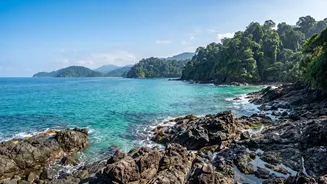
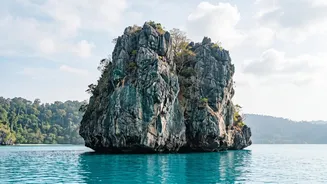
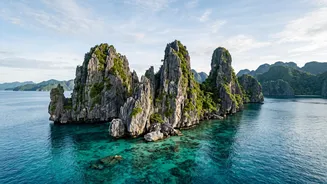
The Andaman and Nicobar Islands have put forward two distinct natural wonders. The first is the ‘Karst-mud-volcano Complex of Baratang’. This site features a unique combination of limestone caves formed by dissolving rock (karst landscapes) and active mud volcanoes that spew mud and gases instead of lava. This combination, driven by seismic activity from the subduction of the Indian Plate beneath the Burma microplate, offers a rare window into geological processes. The second nomination from the islands is the ‘Andaman Subduction Volcanoes’, which comprises Barren Island and Narcondam Island. Barren Island is home to South Asia's only confirmed active volcano, a powerful symbol of the Earth's tectonic forces. Narcondam is a dormant volcanic island with unique biodiversity, including the endemic Narcondam hornbill. Together, these sites represent major stages of Earth's history and ongoing geological processes.
Why the UNESCO Tag Matters
Achieving World Heritage status is more than just a matter of prestige; it brings tangible benefits. Inscription on the list can significantly boost tourism, bringing economic opportunities to local communities. It also unlocks access to international expertise and funds for conservation, ensuring these irreplaceable sites are protected for future generations. Furthermore, it enhances a site's global profile, fostering a deeper sense of pride and ownership among citizens. For sites like Sirpur and the Andaman volcanoes, it's an opportunity to move from being points of local or academic interest to becoming recognized global treasures, encouraging further research, protection, and appreciation of India's incredibly diverse heritage.