


The Shifting Breakfast Plate
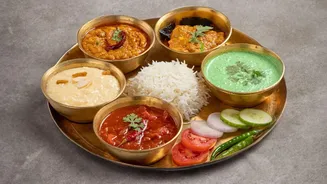
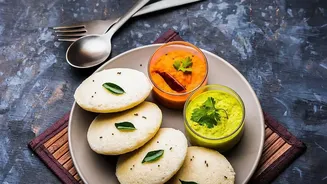
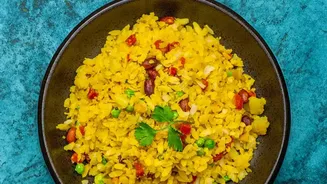
For decades, the Indian breakfast was a predictable affair. For many urban households, it meant quick-fix options like toast, eggs, or cereal. In more traditional homes, it was a rotation of hyper-local staples: poha in Maharashtra, idli in Tamil Nadu,
or parathas in Punjab. While these dishes remain beloved, they are no longer confined to their geographical boundaries. It is increasingly common to find a Delhi family enjoying poha, a Mumbai household mastering the art of the appam, or a Bengaluru cafe serving spicy misal pav. This shift isn't just about South Indian staples like idli and dosa, which have long enjoyed nationwide popularity. It’s about a deeper, more diverse exploration of India's culinary map, where dishes from nearly every state are finding a place at the morning table.
A Hunger for Health and Heritage
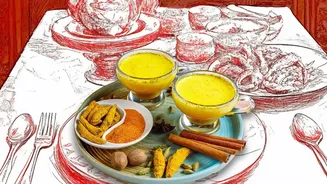
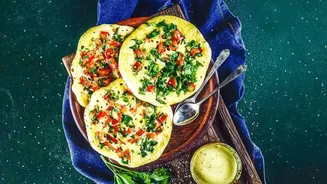
This delicious migration is driven by several factors, chief among them a growing consciousness around health and wellness. Many Indians are turning away from processed breakfast cereals and rediscovering the nutritional wisdom of their own food traditions. Traditional Indian breakfasts are often inherently balanced, featuring complex carbohydrates from grains like rice or millet, protein from lentils, and digestive benefits from spices like turmeric and cumin. Dishes like moong dal chilla (lentil crepes) or puttu (steamed rice cylinders) offer sustained energy without the crash that comes from sugary, processed foods. This return to roots is also fueled by a renewed sense of cultural pride. There's a growing appreciation for the recipes passed down through generations and the unique ingredients native to different regions.
The Social Media Effect
You cannot discount the power of a perfectly curated Instagram feed. Social media platforms have become powerful engines for food trends, transforming regional delicacies into viral sensations. Food bloggers and influencers are showcasing the visual appeal of India’s diverse cuisine, from the vibrant colours of a Maharashtrian misal to the delicate texture of a neer dosa. These posts do more than just make viewers hungry; they educate, inspire, and make regional cooking seem more accessible. Hashtags like #IndianFoodLovers and #DesiFood connect millions, creating a digital community where recipes are shared, and a new generation is encouraged to rediscover the rich culinary heritage of their own country.
Beyond the Usual Suspects
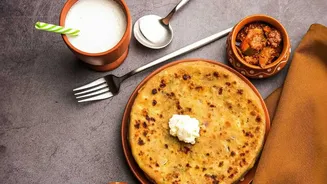
The trend goes far beyond the well-known staples. Lesser-known regional breakfast heroes are stepping into the spotlight. Think of sattu ke parathe from Bihar, a protein-packed flatbread made with roasted gram flour; khura from Arunachal Pradesh, a simple buckwheat pancake; or the comforting dahi poha, a mix of flattened rice and curd popular in Bengal, Bihar, and Assam. The growing interest is also bringing back traditional grains like ragi, jowar, and other millets, which are now being used in modern, convenient forms like quick-cook porridge or dosa mixes. This fusion of traditional ingredients with modern convenience is making regional breakfasts a practical and exciting option even on busy mornings.