






Start with the Paperwork
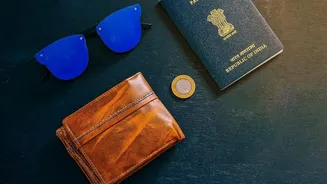
Before you even think about destinations, get your passport in order. It must be valid for at least six months from your planned return date and have two to four blank pages. If you don't have a passport, apply for one immediately, as the process can
take several weeks. Once that's sorted, research visa requirements. Many countries popular with first-time Indian travellers, like Thailand, Malaysia, and Sri Lanka, offer visa-free entry or simple visa-on-arrival processes. Choosing a destination with easy visa rules significantly reduces pre-trip stress. Always check the official embassy website for the most current information before booking.
Set a Realistic Budget
Your budget is the foundation of your trip. It's more than just flight and hotel costs; you need to account for food, local transport, activities, visa fees, travel insurance, and a buffer of 10-15% for unexpected expenses. For a first trip, a five to seven-day holiday in Southeast Asia (like Thailand or Vietnam) can realistically cost between ₹50,000 and ₹95,000 per person. A trip to Dubai might be in the ₹65,000 to ₹1,15,000 range. Decide on a total amount you're comfortable spending before you choose your destination. Start saving consistently by setting up an automatic monthly transfer to a separate travel fund. Saving ₹5,000 to ₹7,000 a month for a year can comfortably fund a trip to a nearby country.
Choose Your Destination Wisely
Your destination should align with both your budget and your comfort level. For a first trip, it’s wise to pick places that are well-trodden by tourists, safe, and have good infrastructure. Destinations like Thailand, Singapore, Dubai, and Bali are excellent starting points for Indian travellers. They offer a mix of culture, food, and activities with the comfort of English being widely spoken in tourist areas. Consider what you want from your holiday: beaches (Bali, Thailand), city life and shopping (Dubai, Singapore), or culture and adventure (Vietnam). Prioritising a destination with a short flight time can also make your first experience less tiring.
Book Flights and Stays Smartly
Flights are often the biggest expense. To get the best deals, be flexible with your travel dates; flying on a weekday is often cheaper than on a weekend. Use flight comparison websites like Skyscanner to track prices, but consider booking directly with the airline if the price is similar for better customer service. Generally, booking international flights three to four months in advance is a good rule of thumb, though for Asian destinations you can find deals closer to the travel date. For accommodation, your comfort level is key. If the thought of a shared dorm in a hostel makes you anxious, don't book one just to save money. Mid-range hotels, guesthouses, or private rooms on Airbnb can offer a great balance of comfort and cost. Booking your stay two to three months out is recommended, especially for popular spots.
Create a Comfortable Itinerary
A common mistake for first-timers is over-scheduling. A packed itinerary can lead to exhaustion and stress. Instead, plan for one or two major activities per day and leave room for spontaneous discoveries and rest. Group activities geographically to avoid wasting time and money on transport. For example, explore all the sights in one neighbourhood on the same day. Build in downtime, whether it's a long lunch or a relaxed evening. Travel is not a race to check off a list; some of the best moments come from simply wandering and soaking in the atmosphere.
Manage Your Money and Safety
For handling money abroad, a mixed approach is best. Carry a combination of cash, a credit or debit card enabled for international use, and a prepaid forex card. A forex card is a great tool as you can load it with the local currency in advance, locking in an exchange rate and insulating your main bank account from potential fraud. Inform your bank about your travel dates to prevent your cards from being blocked. For safety, keep digital and physical copies of your passport, visa, and tickets. An anti-theft bag can provide peace of mind for carrying valuables. Finally, always get travel insurance. It covers medical emergencies, lost luggage, and trip cancellations, providing a crucial safety net.