



A New Policy Universe
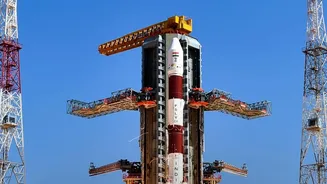
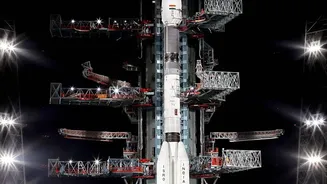
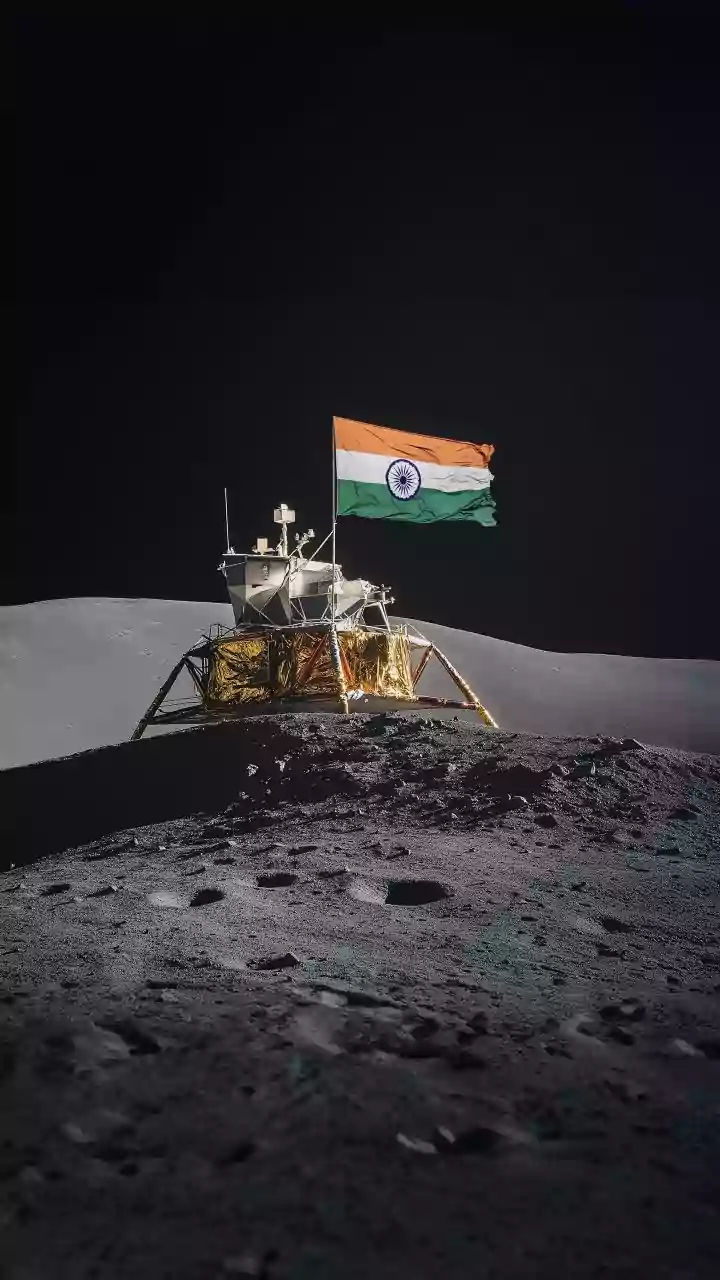
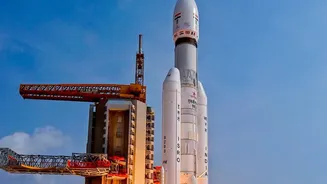
The primary catalyst for this stellar growth is a fundamental shift in government policy. The Indian Space Policy 2023 has effectively opened the final frontier to private enterprise. For decades, the Indian Space Research Organisation (ISRO) was the sole
custodian of India's space ambitions. The new policy redefines its role, tasking ISRO with focusing on advanced research and development while passing the baton for routine operations to the private sector. This reform is managed by the Indian National Space Promotion and Authorisation Centre (IN-SPACe), a single-window agency created to promote, authorise, and supervise private space activities. By clarifying the roles of ISRO, IN-SPACe, and private companies, the government has created a stable and predictable regulatory environment, encouraging investment and innovation.
The Private Sector Takes Flight
This policy shift has ignited a boom in private space ventures. The number of registered space startups has skyrocketed from just one in 2014 to over 400 by 2026. These companies are active across the entire value chain, developing everything from launch vehicles and satellites to propulsion systems and ground station services. This surge is backed by a significant inflow of capital. Private investment has climbed dramatically, with cumulative funding crossing $618 million by March 2026. Companies like Skyroot Aerospace, which developed India's first privately built orbital rocket, and Agnikul Cosmos are becoming key players, demonstrating that the private sector is ready to move from prototypes to full-scale commercial operations.
Downstream Data: The Next Frontier
While rockets and satellites capture the imagination, a significant portion of the projected growth lies in what is known as 'downstream' applications. This refers to the services and data generated by assets in space. This market segment is expected to account for the majority of future revenue. Applications include high-speed satellite communication, precise earth observation for agriculture and climate monitoring, advanced navigation systems, and geospatial analytics for urban planning and disaster management. The rising demand for real-time data and satellite internet is driving domestic manufacturing and creating a massive economic opportunity that extends far beyond the launchpad itself.
Global Ambitions, Local Capabilities
India's long-standing reputation for cost-effective and reliable space missions gives it a powerful competitive edge on the global stage. The goal is not just to serve the domestic market but to establish India as a global hub for space technology and services. This includes manufacturing satellites and components under the 'Make in India' initiative and offering competitive launch services to international clients. NewSpace India Limited (NSIL), ISRO's commercial arm, plays a crucial role by commercialising ISRO's technologies and procuring launch services from private players. The liberalisation of Foreign Direct Investment (FDI) rules in 2024 further signals India's intent to attract global capital and expertise. The government's vision is to increase India's share of the global space economy from the current 2% to around 8% by 2033.