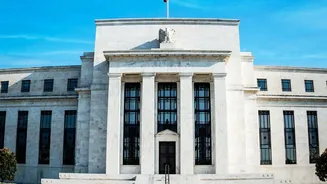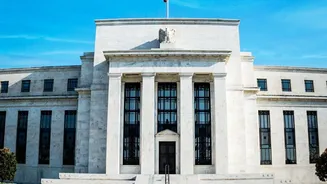





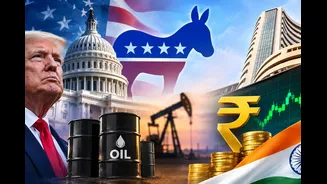

The US midterm elections are over, creating a new political dynamic in Washington. For global investors, the key question is how this new landscape, particularly the enduring power of a presidential veto, will shape markets and portfolios.
A Government Divided
The 2026 midterm
elections have resulted in a divided government, with one party controlling the White House and the other controlling at least one chamber of Congress. This outcome was widely anticipated and sets the stage for a period of legislative gridlock, where passing major, transformative laws becomes exceptionally difficult. For international markets, this division isn't just political noise; it's a structural reality that often dictates the pace and direction of US economic policy for the next two years. The resulting stalemate means that sweeping changes to taxation, regulation, or spending are unlikely to get through the legislative process.
The Power of the Presidential 'No'
At the heart of this gridlock is the presidential veto. As outlined in the US Constitution, the president has the power to reject a bill passed by Congress, preventing it from becoming law. While Congress can override a veto, it requires a two-thirds supermajority in both the House and Senate—a very high bar that is rarely met, especially in today's polarized environment. Therefore, the mere threat of a veto is often enough to shape or halt legislation long before it reaches the president's desk. It effectively guarantees the president a seat at the bargaining table on any major policy issue, allowing them to block initiatives they oppose on policy, fiscal, or constitutional grounds.
Why Markets Often Prefer Gridlock
Conventional wisdom on Wall Street often suggests that markets prefer political gridlock, and history largely backs this up. The S&P 500 has historically posted strong returns in the 12 months following a midterm election. One study noted that between 1953 and 2023, the S&P 500's average annual return was significantly higher under a divided government. The logic is that gridlock prevents radical policy shifts that can create uncertainty for businesses. With the threat of a presidential veto ensuring that no major tax hikes or sweeping new regulations can pass, companies can plan for the future with greater certainty. This policy stability is often seen as a net positive, even if it means desirable reforms are also stalled.
Sector-Specific Volatility and Veto Threats
While broad markets may appreciate stability, the veto power can create significant volatility for specific sectors. A president's policy priorities can clash directly with those of Congress, leading to targeted legislative battles. For example, a president might threaten to veto a defense spending bill, creating uncertainty for defense contractors. Similarly, legislation impacting renewable energy subsidies, pharmaceutical pricing, or regulations on technology and artificial intelligence could face veto threats, causing sharp movements in those sectors. Global investors must therefore look beyond the topline indexes and analyze how these specific policy fights could affect their holdings in areas like green energy, tech, and healthcare.
The Global Ripple Effect
The impact of a veto_driven stalemate extends far beyond US borders. A divided US government can struggle to respond decisively to global economic crises or pass new trade agreements. One of the most significant risks on the horizon is the potential for brinkmanship over the US debt ceiling in 2027. A protracted standoff, amplified by the inability of a divided government to easily find compromise, could rattle global confidence, destabilize the US dollar, and put pressure on risk assets worldwide. For international investors, a predictable but gridlocked Washington is a double_edged sword : it reduces the risk of disruptive US policy changes but also elevates the danger of inaction during critical moments.