






So, What Is Plant-Based Fusion?
At its core, plant-based fusion is the art of combining culinary traditions from two or more cultures, using only plant-derived ingredients. But it's more profound than just making a vegan version of a popular dish. It's not about finding a substitute
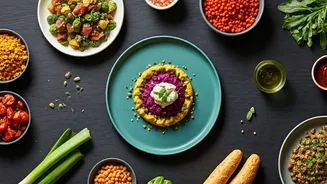
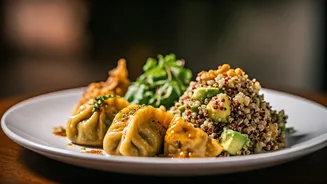
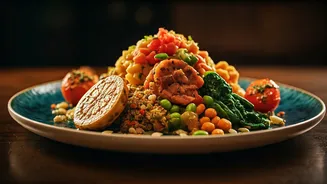
for meat; it's about celebrating vegetables, legumes, grains, and fungi as the heroes of the dish. Think of it as a creative conversation between cuisines. Imagine the smoky, earthy notes of Mexican mole sauce paired not with chicken, but with roasted sweet potatoes and black beans. Or picture delicate Japanese gyoza dumplings filled with spicy, finely minced Indian mushrooms instead of pork. This isn't about limitation; it's about expanding the culinary playbook.
Moving Beyond Simple Substitution
For years, vegetarian and vegan food was often defined by what it lacked. The goal was mimicry: a soya patty that tasted *almost* like a beef burger, or a mock-duck that had a similar texture to the real thing. While those substitutes have their place, the new wave of plant-based fusion is driven by a completely different philosophy. Chefs are no longer asking, "What can I use to replace the meat?" Instead, they're asking, "What amazing texture can I get from a king oyster mushroom? How can I use jackfruit's unique fibrous quality to create a compelling dish on its own terms?" This shift focuses on the inherent properties of the plants themselves. It’s about discovering that a beetroot can be earthy and sweet, a celeriac can be roasted to a nutty perfection, and a lentil can be transformed into a rich, savoury pâté that needs no comparison to its meat-based counterpart.
Why India Is a Natural Hub for This Movement
India is uniquely positioned to lead the plant-based fusion charge. For one, we have one of the most sophisticated and ancient vegetarian culinary traditions in the world. From the complex spice blends of a Rajasthani `gatte ki sabzi` to the delicate tempering of a South Indian `avial`, our cuisine has always known how to make vegetables sing. We don't need to be convinced that a meal without meat can be satisfying. Secondly, our access to a staggering variety of produce and spices is a massive advantage. When a chef wants to experiment, they have a vibrant palette of ingredients to work with. This deep-rooted vegetarian culture, combined with a growing urban population with global tastes, creates the perfect environment for plant-based fusion to flourish. It’s a natural evolution, not a foreign import.
Chefs and Restaurants Leading the Way
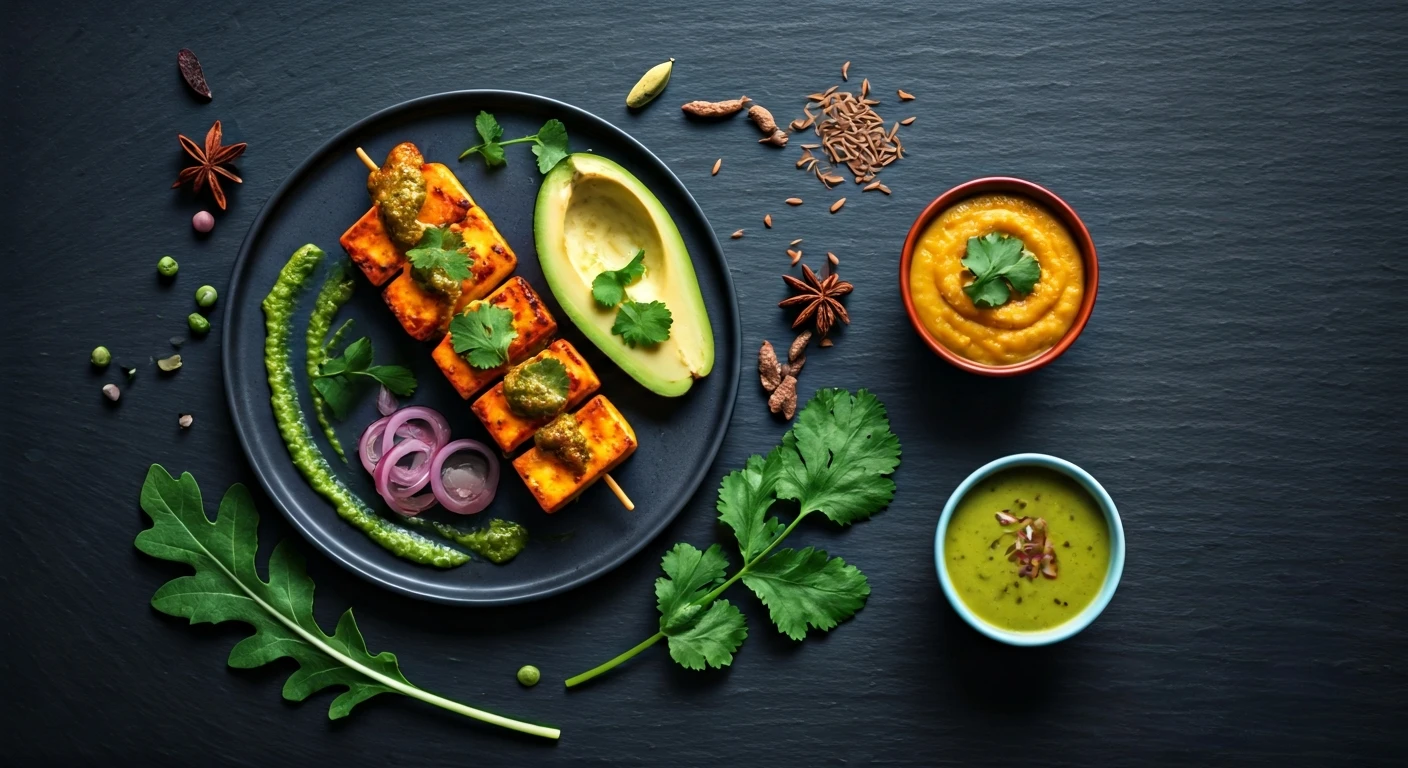
This movement isn't just theoretical; it's happening in kitchens across the country. Restaurants are building entire concepts around this idea. Think of modern eateries serving avocado toast topped with `gunpowder` spice, or tacos filled with `kathal` (jackfruit) cooked in a Goan `vindaloo` style. Chefs are using global techniques like sous-vide, fermentation, and dehydration to unlock new dimensions of flavour from local Indian vegetables. We're seeing things like tempeh, a traditional Indonesian soy product, being marinated in Chettinad spices, or millets being used to create Italian-style risotto. These creations aren't gimmicks; they are thoughtful, delicious dishes that stand on their own merit, attracting diners of all dietary preferences.
A Convergence of Taste, Health, and Conscience
The rise of plant-based fusion isn't driven by a single factor. It's a powerful convergence of several global and local currents. There's the growing awareness around health and wellness, with more people seeking lighter, nutrient-dense meals. There are the undeniable environmental and ethical considerations tied to industrial meat production. But perhaps the most significant driver is simply the pursuit of flavour. Diners are more adventurous than ever, and chefs are eager to innovate. Plant-based fusion offers a vast, unexplored territory for culinary creativity. It proves that food can be responsible and conscientious without ever sacrificing excitement or deliciousness.