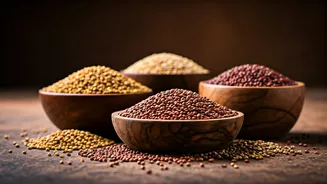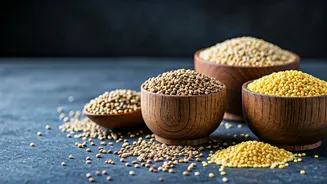





What Are Ancient Grains, Anyway?
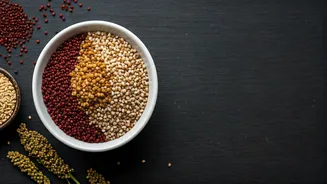
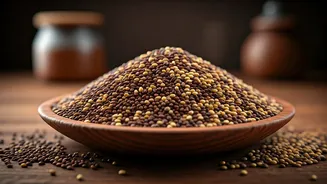
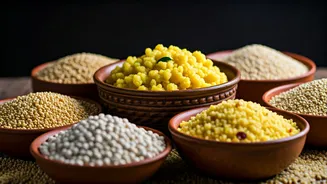
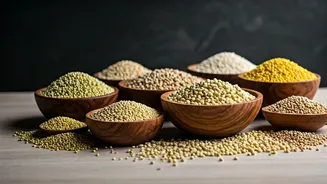
The term 'ancient grains' refers to grains and pseudocereals that have remained largely unchanged for hundreds or even thousands of years. Unlike modern wheat, corn, and rice, which have been extensively bred for large-scale industrial farming, ancient grains are
closer to their original forms. Many of these, like millets (jowar, bajra, ragi) and amaranth (rajgira), have been staples in Indian kitchens for centuries before modern varieties took over. They are now regaining popularity as people rediscover their superior nutritional profiles.
The Nutritional Powerhouse on Your Plate
Swapping refined grains for their ancient counterparts offers a wealth of benefits. Ancient grains are typically packed with more fibre, protein, vitamins, and minerals. Their high fibre content aids digestion, promotes gut health, and keeps you feeling full for longer, which can help with weight management. Many also have a lower glycemic index, which helps regulate blood sugar levels and provides sustained energy, preventing the mid-morning slump. Plus, several ancient grains like sorghum, quinoa, amaranth, and all millets are naturally gluten-free, making them excellent choices for those with gluten sensitivity.
Sorghum (Jowar): The Versatile Staple
Jowar, a staple in many parts of India, is a fantastic gluten-free grain to add to your breakfast rotation. You can use jowar flour to make delicious and instant uttapams or dosas for a savoury start to your day. Another great option is to cook whole jowar grains, which need to be soaked overnight, and turn them into a hearty upma packed with vegetables. This versatile grain is rich in protein, iron, and antioxidants.
Finger Millet (Ragi): The Calcium King
Ragi is a nutritional champion, boasting the highest calcium content of any cereal, making it essential for bone health. A traditional ragi malt or porridge, sweetened with a bit of jaggery, is a comforting and incredibly healthy way to start the day. For those who prefer a savoury breakfast, instant ragi dosas, which don't require fermentation, are a quick and easy option. You can even make ragi upma or fluffy idlis, ensuring your morning meal is both delicious and nutrient-dense.
Amaranth (Rajgira): The Tiny Titan
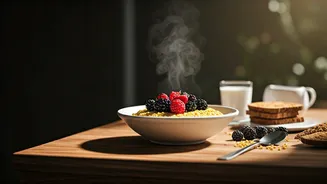
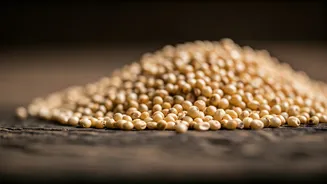
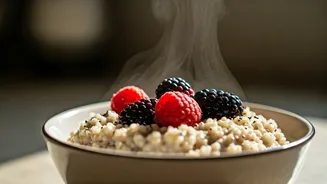
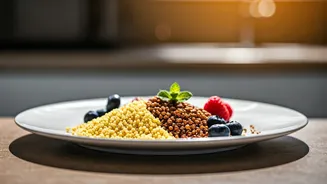
Don't let its small size fool you; amaranth is a protein powerhouse. It contains more protein than rice and corn and is considered a complete protein because it has all nine essential amino acids. Cook it into a creamy porridge, similar to dalia or oatmeal, and top with fresh fruits and nuts. Its texture becomes pleasantly thick and pudding-like when cooked. You can also add amaranth to smoothies for a protein and fibre boost.
Quinoa: The Protein-Rich Seed
Though technically a seed, quinoa is cooked and consumed like a grain and celebrated for being a complete protein. It has a mild, nutty flavour that works well in many Indian breakfast dishes. A popular way to enjoy it is by making quinoa upma, which follows a similar recipe to traditional sooji upma but offers significantly more protein and fibre. It cooks relatively quickly, making it a convenient option for busy mornings.