





Don't Judge a Packet by Its Cover
Food packaging is prime real estate for marketing, and words like 'natural', 'multigrain', 'organic', or 'low-fat' create a "health halo." This effect makes us believe a product is healthier than it actually is. Marketers know that a picture of a wheat
field or a vibrant piece of fruit can be more persuasive than the nutritional facts panel. However, these claims are often misleading. A 'low-fat' product, for example, may have extra sugar added to improve its taste after the fat has been removed. Similarly, a 'multigrain' bread might be made mostly of refined flour with only a small amount of whole grains. Always be sceptical of front-of-pack claims and turn the product over to get the real story.
The Many Names for Sugar
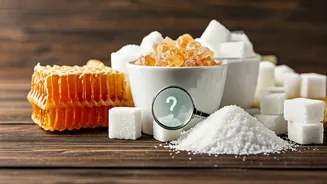
The first place to hunt for hidden sugar is the ingredients list. You might not see the word 'sugar', but it could be there under a different name. There are over 60 aliases for sugar, and manufacturers often use several types in one product. This tactic, known as 'splitting', prevents a sugar-based ingredient from appearing first on the list, which is ordered by weight. Keep an eye out for any word ending in '-ose', such as sucrose, dextrose, fructose, and maltose. Other common culprits include syrups (like corn syrup, high-fructose corn syrup, and rice syrup), cane juice, agave nectar, molasses, and even honey. If you see any of these in the top three ingredients, the product is likely high in sugar.
How to Read the Nutrition Label
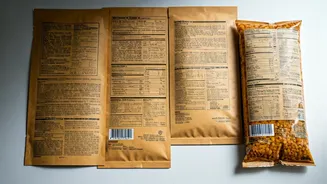
The nutrition information panel is your best tool. In India, the Food Safety and Standards Authority of India (FSSAI) mandates that labels show values per 100g and per serving. It's best to check the 'per 100g' column for a true comparison between products. Look for the 'Total Sugars' line. According to FSSAI, a product can only be claimed as 'low sugar' if it contains less than 5g of sugar per 100g. A general rule of thumb is that over 15g of sugar per 100g is considered high. Some labels now include an 'Added Sugars' line, which is even more helpful. This distinguishes the sugars added during processing from those naturally present in ingredients like fruit or milk. The recommended daily limit for added sugars is around 25 grams (about five teaspoons).
Common Culprits in Disguise
Some of the biggest offenders for hidden sugars are the very foods many consider to be healthy. Breakfast cereals and granola bars, often promoted as a great start to the day, can be packed with sweeteners. Flavoured yoghurts, especially 'fruit on the bottom' varieties, can contain sugar levels comparable to a dessert. Bottled smoothies and fruit juices often have staggering amounts of sugar, even if they claim 'no added sugar', because fruit juice concentrate is itself a form of sugar. Even savoury items aren't safe; pasta sauces, ketchup, salad dressings, and bread can all contain surprising amounts of added sugar to enhance their flavour and shelf life.
Simple Rules for Smarter Choices
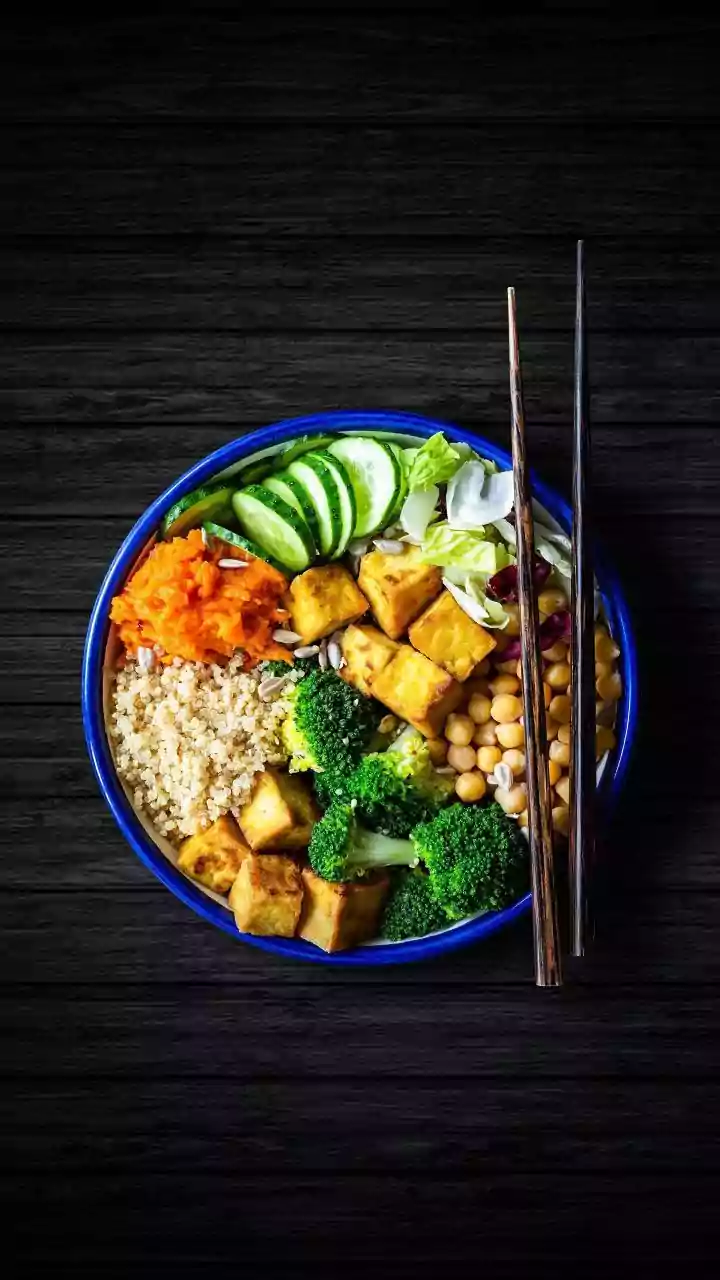
Becoming a sugar detective might seem daunting, but a few simple habits can make a big difference. Firstly, prioritise whole, unprocessed foods like fresh fruits, vegetables, and lean proteins, which don't have ingredient lists. When buying packaged goods, use the '5-gram rule': aim for products with 5 grams or less of added sugar per serving. Always be wary of the serving size listed; companies often use unrealistically small serving sizes to make the numbers look better. If a packet of biscuits lists the serving size as two biscuits, but you know you'll eat half the pack, you need to do the maths. Choosing plain versions of foods like yoghurt and oatmeal and adding your own fresh fruit for sweetness is another great strategy to take control of your sugar intake.