



More Than Just a Matter of Taste
For years, we've chalked up our food likes and dislikes to personal preference, cultural upbringing, or simply being a 'picky eater'. However, science is increasingly showing that our reactions to food are wired far deeper into our biology. The conversation
has been supercharged by recent large-scale genetic studies on food liking. One of the largest, involving over 150,000 participants, identified hundreds of genetic variants that influence our fondness for everything from avocados to chillies. These studies reveal that what we enjoy isn't random; it's intricately linked to our genetic makeup, affecting not just taste, but our broader health and behaviours.
The Genetic Blueprint of Bitterness
The star player in the story of bitterness is a gene called TAS2R38. Think of it as the primary software that determines how you perceive bitter flavours. Variations in this single gene can sort people into three main groups: 'non-tasters,' 'tasters,' and 'supertasters.' 'Non-tasters' find many bitter foods, like broccoli or brussels sprouts, relatively mild. 'Tasters' perceive a distinct bitterness, and 'supertasters' experience these flavours with powerful intensity. This isn't just about one or two foods. Humans have around 25 different bitter taste genes, each one tuned to a different set of chemical compounds. This explains why you might despise the bitterness of grapefruit but have no issue with the bitterness in dark chocolate or coffee.
From Taste Buds to Personality Traits
Perhaps the most surprising findings from research in this area go beyond mere food preference. Studies involving nearly 1,000 participants have uncovered correlations between taste preferences and personality. Specifically, a preference for bitter foods was found to be a predictor for antisocial traits, including psychopathy, narcissism, and everyday sadism. Researchers speculate this might be because enjoying something that is evolutionarily a 'warning signal' for poison provides a small thrill. On the other hand, those who prefer sweet tastes tend to be associated with more agreeable and pro-social traits. It is important to note that this is a correlation, not a cause-and-effect relationship, but it highlights how deeply taste is intertwined with our psychology.
The Indian Plate: A Celebration of Bitterness
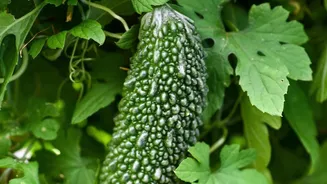
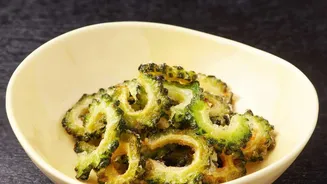
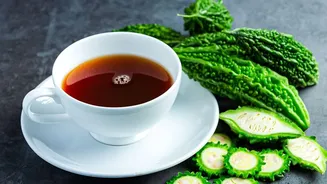
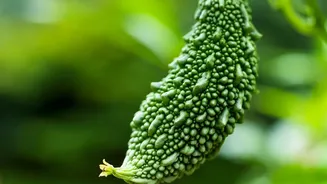
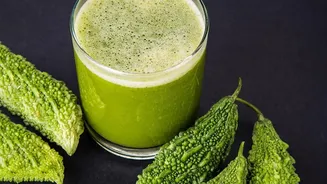
Nowhere is the appreciation for bitter flavours more culturally embedded than in the Indian diet. From karela (bitter gourd) and methi (fenugreek) to neem leaves, bitterness is not something to be avoided but a flavour to be balanced and celebrated for its health properties. Ayurvedic tradition has long championed bitter foods for their digestive and detoxifying benefits. Modern science is now catching up. Many of the bitter compounds in vegetables contain phytochemicals that may help lower the risk of cancer and cardiovascular disease. So, while genetics might make some people more sensitive to the bitterness of karela, understanding its health benefits can encourage us to find ways to enjoy it, perhaps by pairing it with other tastes, as Indian cuisine expertly does.
Why This Matters for Your Health
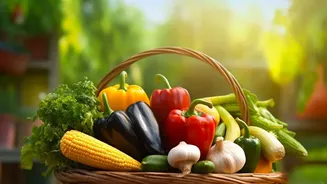
Understanding your genetic predisposition to taste is not about finding an excuse to avoid your vegetables. Instead, it’s about empowerment. Studies show that 'tasters' and 'supertasters,' who are more sensitive to bitterness, might naturally eat fewer cruciferous vegetables. This knowledge can prompt you to find new ways to prepare these foods to make them more palatable, such as roasting to bring out sweetness. Furthermore, genetic taste preferences are now being linked to broader health outcomes, with certain profiles associated with higher risk for obesity and Type 2 diabetes. By understanding our innate preferences, we can make more conscious choices, ensuring we get a balanced diet rich in beneficial compounds, even the bitter ones.