





Understanding the 'Finish'
Before a piece of clothing reaches the store, the fabric it's made from undergoes several processes. A 'finish' is a treatment applied after the fabric has been woven or knitted to enhance its aesthetic or performance. This can include anything from chemical
coatings that repel water to mechanical processes that soften the texture or alter the colour. These finishes are the reason a non-iron shirt stays smooth and a performance jacket keeps you dry, but they also introduce specific care requirements. Ignoring them can strip away the very properties that made you love the garment in the first place.
Performance Finishes: Water-Repellent Gear
That rain jacket or pair of hiking pants that makes water bead up and roll off likely has a Durable Water Repellent (DWR) finish. This is a chemical coating applied to the fabric's exterior. While incredibly useful, DWR is not permanent. Harsh detergents, fabric softeners, and high heat can break down this coating, causing the fabric to become saturated with water, a phenomenon known as 'wetting out'. To preserve a DWR finish, wash the garment only when necessary, using a technical wash designed for outdoor gear. Tumble dry on a low or medium heat setting; the warmth can help reactivate the repellency. If water no longer beads, you can restore it with a spray-on or wash-in DWR product.
Aesthetic Finishes: The 'Lived-In' Look
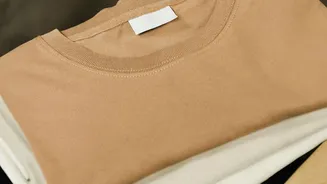
The perfectly faded, soft, and comfortable feel of your favourite t-shirt or jeans often comes from special washing and dyeing techniques. 'Garment dyeing' is a process where the entire completed item is dyed, resulting in a softer feel and subtle colour variations, especially at the seams. Similarly, 'stonewashing' uses abrasive stones to create a worn-in, vintage appearance. While these finishes create a desirable aesthetic, they also make the fabric more delicate. The intentionally distressed areas, like rips or frayed hems in denim, can be enlarged or completely torn in an aggressive wash cycle. To care for these items, wash them inside out in cold water on a gentle cycle to prevent further damage and colour loss. It is often best to air dry them.
Convenience Finishes: Wrinkle-Free and Stain-Resistant
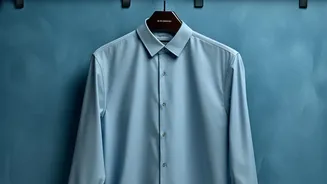
Wrinkle-free or 'non-iron' dress shirts are a modern convenience, but they rely on a chemical treatment to help the cotton fibres maintain their shape. While effective, this finish can be sensitive to certain laundering practices. High heat from washing or drying can weaken the treatment over time. It is generally recommended to machine wash these shirts in cold or warm water and tumble dry on a low setting, removing them promptly to hang. Similarly, stain-resistant finishes, often found on everything from kids' clothes to tablecloths, work by creating a barrier that prevents spills from setting in. To maintain this barrier, avoid using bleach and harsh stain removers which can strip the protective finish.
Colour Finishes: Garment-Dyed and Pigment-Dyed
Unlike traditional dyeing where the yarn or fabric is coloured first, some items are dyed after they have been fully constructed. This 'garment dyeing' process results in a softer, broken-in feel and a more characterful, tonal colour. Pigment dyes, which sit on the surface of the fabric, are often used to achieve a vintage, sun-faded look that gets better with time. The downside is that these dyes are more likely to bleed during the first few washes. Always wash garment-dyed or pigment-dyed items separately or with like colours in cold water to prevent dye transfer and preserve the colour's richness. Hand washing is often the safest method for the first few cleans.