



So, What Is Cosmic Travel?
When you hear ‘cosmic travel,’ your mind might jump to Jeff Bezos or Elon Musk launching rockets into orbit. While that’s part of the ultra-high-end picture, the trend that’s truly capturing imaginations is far more accessible. At its heart, cosmic travel, or astrotourism,
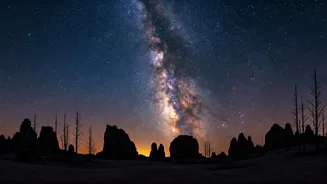
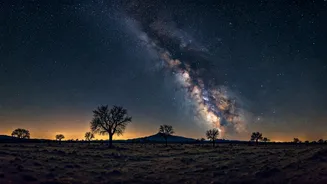
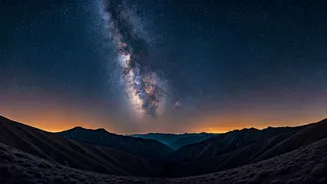
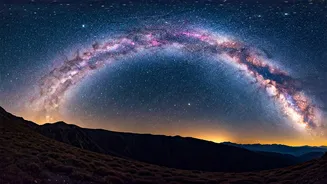
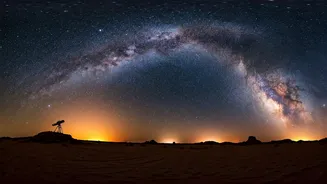
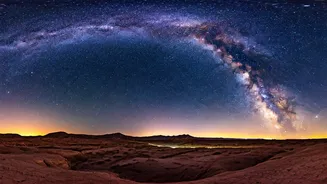
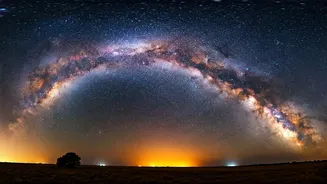
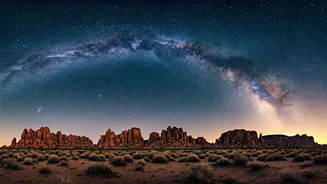
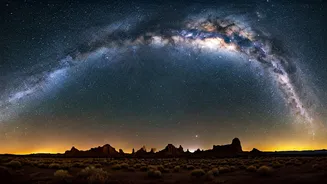
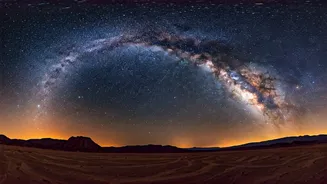
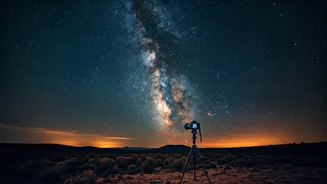
is the practice of traveling to destinations with minimal light pollution specifically to experience the night sky. It’s about seeking out pristine darkness to witness the Milky Way, meteor showers, constellations, and planets in their full, unobscured glory. This isn't just for professional astronomers anymore. It's for anyone feeling disconnected from the natural world, seeking a sense of awe that our brightly lit cities have stolen from us. The experience can range from a weekend trip to a designated dark sky park to a full-fledged vacation built around an astronomical event like a solar eclipse or a meteor shower.
Why the Sudden Star Rush?
Several factors are fuelling this celestial wanderlust. First and foremost is the increasing scarcity of true darkness. According to recent studies, more than 80% of the world's population lives under light-polluted skies, a figure that's even higher in places like Europe and North America. For many urbanites in India, seeing more than a handful of stars is a rarity. This has created a deep-seated craving for the profound experience of a star-filled sky. Furthermore, the pandemic shifted travel priorities. People began seeking out more meaningful, transformative, and less crowded experiences. Stargazing offers a unique blend of solitude, science, and spirituality. It’s an activity that connects us to something immense and timeless, providing a powerful antidote to the stresses of modern life. The rise of social media has also played a part, with breathtaking astrophotography inspiring countless travellers to seek out their own galactic views.
India's Place in the Cosmos
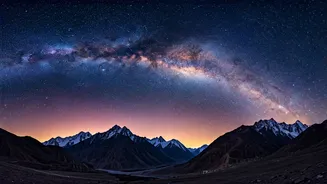
You don’t need an international flight to join the cosmic travel trend. India, with its diverse geography, offers some spectacular stargazing locations. The undisputed champion is Hanle in Ladakh, recently designated as India's first-ever Dark Sky Reserve. Situated at a high altitude with clear, dry air and minimal light pollution, Hanle provides a celestial panorama that is simply breathtaking. The Indian Astronomical Observatory is also located here for a reason. Beyond Ladakh, the remote Spiti Valley in Himachal Pradesh is another favourite among astrophotographers and stargazers. In the south, Coorg in Karnataka and parts of the Western Ghats offer clearer skies away from the big cities, especially during the winter months. Even the Rann of Kutch in Gujarat, with its vast, flat salt marsh, provides an otherworldly backdrop for a night under the stars.
Beyond Just Stargazing
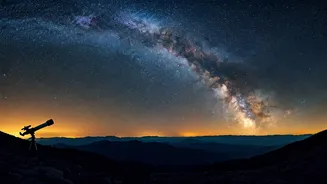
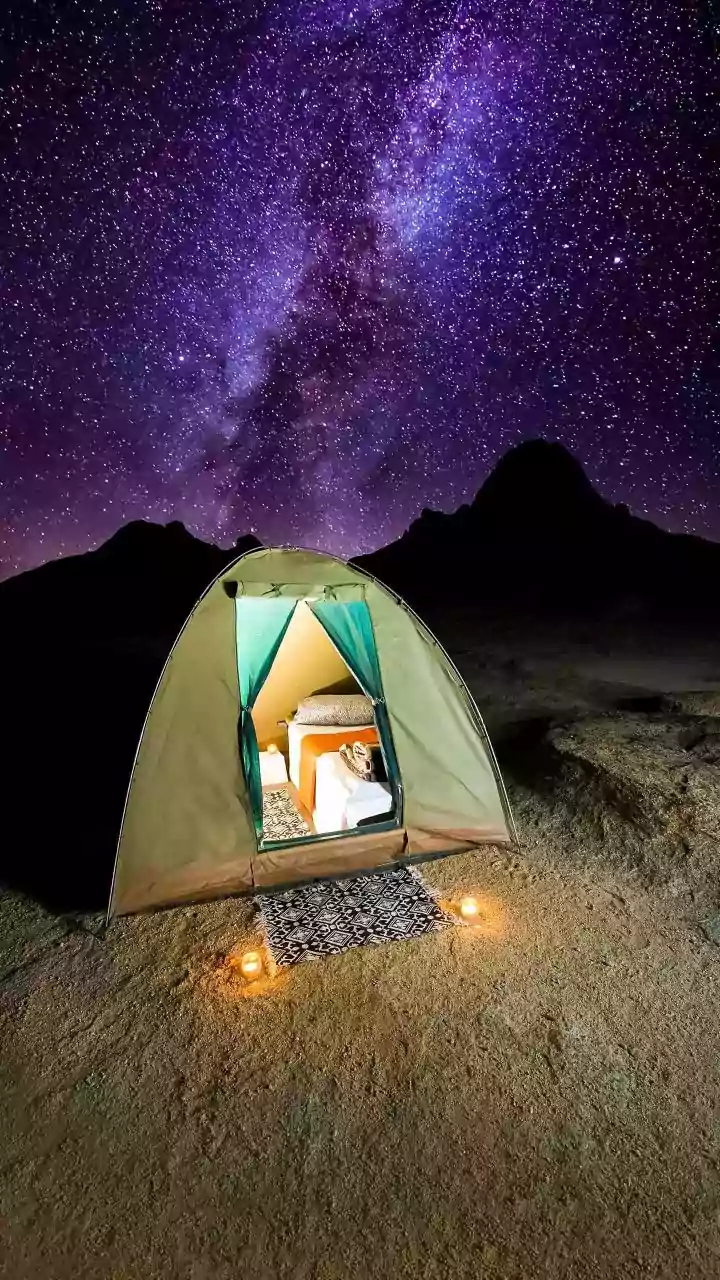
The cosmic travel trend extends beyond simply finding a dark spot and looking up. A whole ecosystem of experiences is developing around it. Many tour operators now offer guided stargazing trips, complete with powerful telescopes and expert astronomers who can unravel the stories behind the constellations. Workshops on astrophotography are becoming increasingly popular, teaching amateurs how to capture the beauty of the night sky. Destinations are also leaning into the theme. You can find stays in ‘stargazing domes’ with transparent ceilings or hotels that organise nightly observation sessions for their guests. The trend also includes visiting major scientific installations, like the Giant Metrewave Radio Telescope (GMRT) near Pune or the Vainu Bappu Observatory in Kavalur, Tamil Nadu, which offer a glimpse into the human quest to understand the universe. It's about immersing yourself fully in our connection to the cosmos.