



Start with the Right Bag
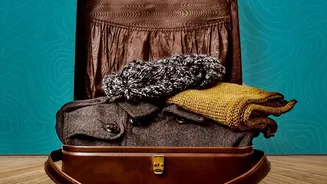
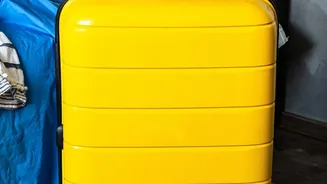
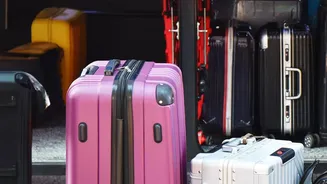
The first step to successful light packing begins before you even select a single shirt. Your choice of luggage is critical. Hard-shell suitcases, while durable, often add unnecessary weight, sometimes consuming 2-3kg before you’ve packed anything. Instead,
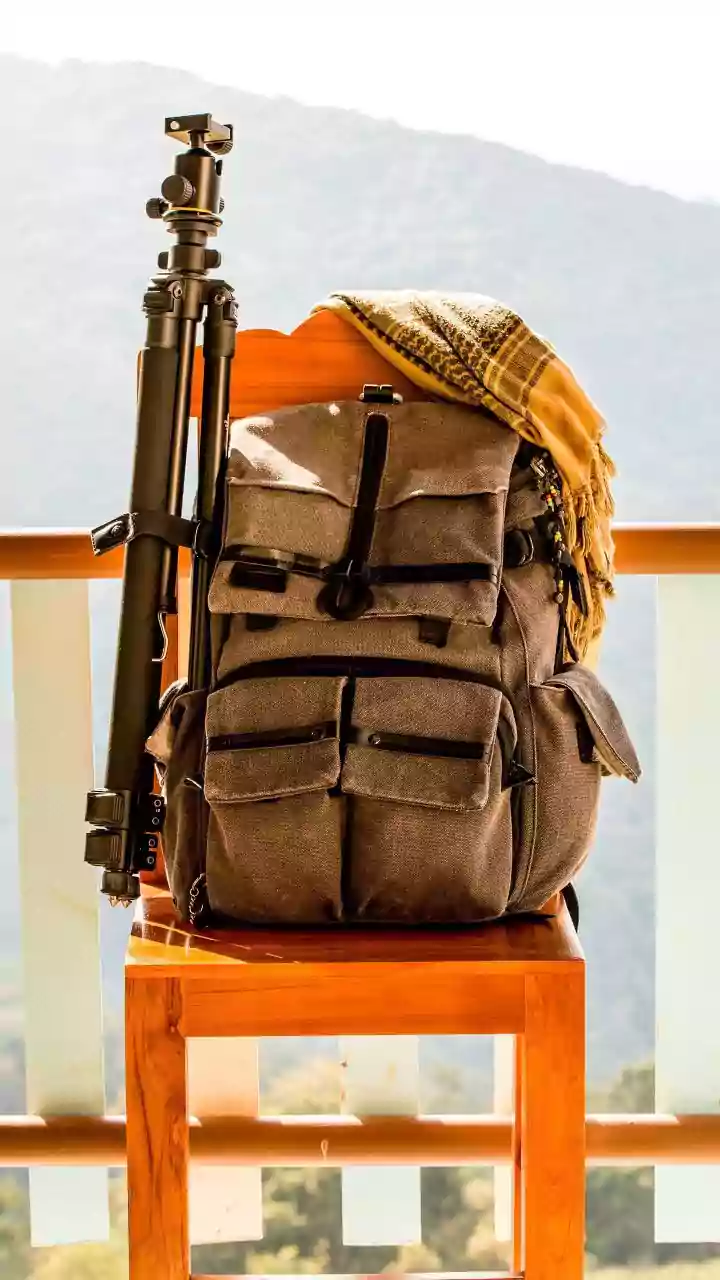
opt for a lightweight, soft-sided backpack or duffel bag. Look for bags that weigh under 1.5kg when empty, which leaves you a generous 5.5kg for your actual belongings. A minimalist travel backpack is often the best choice, as it's built for efficiency and comfort while navigating airports.
Build a Capsule Wardrobe
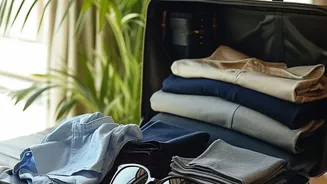
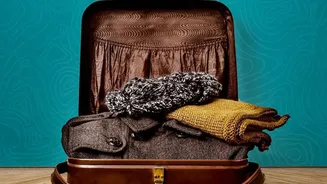
The secret to fitting a week of outfits into a tiny bag is versatility. This is where the concept of a 'capsule wardrobe' shines. The idea is to select a limited number of items that can all be mixed and matched. Stick to a neutral colour palette for your main pieces—think black, grey, navy, or beige—and add pops of colour with smaller accessories or one or two tops. A popular rule of thumb is the 5-4-3-2-1 method: five tops, four bottoms, three accessories, two pairs of shoes, and one jacket. This ensures you have countless outfit combinations without the bulk.
Choose Your Fabrics Wisely
Not all clothing is created equal when it comes to travel. Bulky fabrics like heavy cotton denim and chunky wool knits are space and weight hogs. Instead, prioritise lightweight and quick-drying materials. Merino wool is a traveller's dream; it’s light, regulates temperature, resists odours, and packs down small. Synthetic blends, linen, and silk are also excellent choices. A single pair of versatile trousers or jeans, worn on the plane, is usually sufficient. For the rest, think light fabrics that can be easily layered.
Master the Art of Rolling
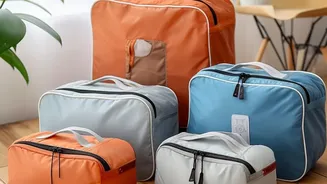
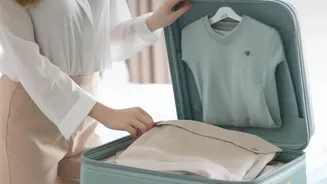
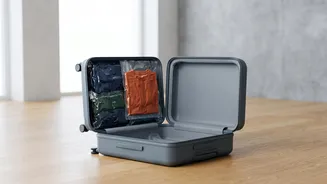
How you pack is just as important as what you pack. Most seasoned travellers swear by rolling their clothes instead of folding them. Rolling compresses clothing, squeezing out excess air and creating smaller, more uniform parcels that fit snugly together. This technique not only saves significant space but also helps to minimise wrinkles in many fabrics. For ultimate organisation, combine rolling with packing cubes. These fabric pouches allow you to compartmentalise your luggage, separating tops, bottoms, and underwear. Compression cubes take this a step further, using an extra zipper to squeeze out even more air.
Decant and Downsize Toiletries
Liquids are notoriously heavy. Instead of taking full-size bottles, decant your essential toiletries into travel-sized containers of 100ml or less, which is also a requirement for air travel security. Even better, switch to solid alternatives. Shampoo bars, conditioner bars, solid perfume, and toothpaste tablets can save an enormous amount of weight and eliminate any risk of leaks. Also consider what you can buy at your destination. Unless you are heading somewhere extremely remote, you can likely purchase items like shower gel and sunscreen upon arrival, freeing up precious grams.
Wear Your Weight
This is one of the simplest yet most effective tricks in the book. Identify your heaviest and bulkiest items and wear them on the plane. This typically includes your jacket, your heaviest pair of shoes (like hiking boots or trainers), and perhaps a jumper or hoodie. Airlines only weigh your bag, not what you are wearing. Layering up for the flight might make you feel a bit bulky for a short time, but it can free up a kilogram or more in your hand luggage, which often makes all the difference at the check-in counter.