



A Pushback Against 'Hurry Sickness'
The primary driver behind rail's resurgence is a growing desire for 'slow travel'. This movement prioritises connection, relaxation, and mindfulness over simply ticking off destinations. After years of hectic, checklist-style tourism, many travellers
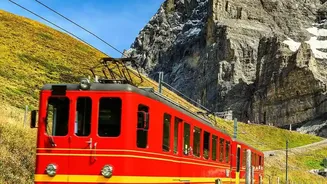
are experiencing burnout, returning from holidays more exhausted than when they left. Recent data shows a significant increase in searches for slow travel, with a staggering 91% of travellers stating a preference for trips centered on relaxation. Train travel is the perfect antidote. It forces a slower pace, replacing the sterile, stressful environment of airports with the gentle rhythm of the tracks. The journey becomes a time to read, reflect, and watch the world unfold from a picture window, turning transit time into a vital part of the vacation experience.
The Greener Way to Wander
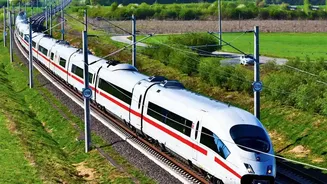
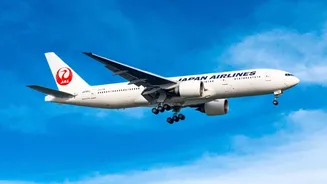
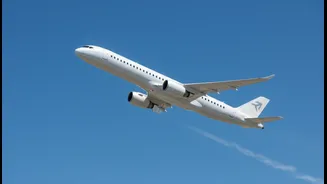
As climate consciousness grows, travellers are increasingly scrutinising their carbon footprint. The concept of 'flygskam', or flight shame, has moved from a niche concern to a mainstream consideration. Aviation is a significant contributor to global CO2 emissions, whereas rail travel is demonstrably greener. On average, travelling by train can reduce carbon emissions by over 85% compared to taking a flight. In some cases, the difference is even more stark; Amtrak in the US notes its service is 34% more energy-efficient than flying, while VIA Rail in Canada highlights that a train journey generates just 19g of CO2 per passenger-kilometre compared to 123g for a plane. For the eco-conscious traveller, choosing the train is a simple and effective way to make a more sustainable choice without sacrificing the adventure of travel.
Nostalgia, Comfort, and Experience
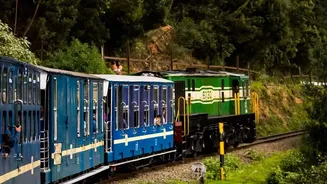
Beyond its practical benefits, scenic rail travel taps into a deep well of romance and nostalgia. It evokes a golden age of travel, promising elegance and adventure. This appeal is being amplified by a new generation of luxury and sleeper trains that combine vintage charm with modern comforts. In India, luxury trains like the Maharajas' Express offer a royal experience, while theme-based circuits are boosting railway tourism. The introduction of Vistadome coaches on several Indian Railways routes, with their panoramic windows and rotating seats, has also been immensely popular, turning routes through the Western Ghats or the Araku Valley into destinations in themselves. These services focus on the journey, offering gourmet dining, spacious cabins, and an experience that feels a world away from a cramped economy flight.
The Social Media Express
In the 21st century, a trend isn't truly a trend until it's on social media. The visual nature of scenic train travel makes it perfect for platforms like Instagram and TikTok. The #travel hashtag on TikTok has over 296 billion views, and user-generated content heavily influences destination choices. A window-seat view of a dramatic mountain pass, a time-lapse of a coastal route at sunset, or the vintage aesthetic of a classic dining car are all compelling forms of content. This digital word-of-mouth has introduced the romance of rail travel to a younger generation that values experiences and aesthetics. While some may travel simply to 'flaunt' on social media, for many others, these platforms serve as a powerful discovery tool, inspiring them to seek out beautiful journeys they might not have otherwise considered.
The Journey Is the Destination
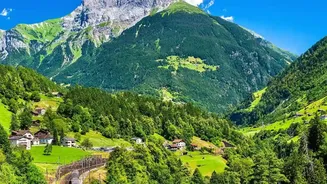
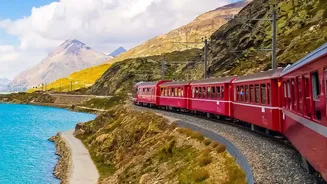
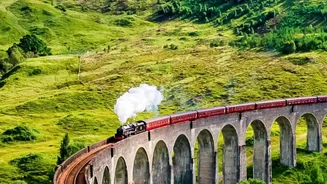
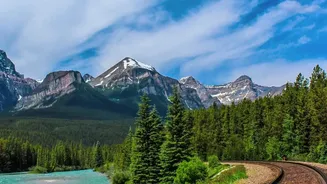
Ultimately, the comeback of scenic rail is about a fundamental shift in what we value in travel. It's an acknowledgment that the moments 'in between' can be as meaningful as the final stop. Train travel provides access to landscapes that are invisible from 30,000 feet, winding through valleys, hugging coastlines, and cutting through the heart of the countryside. In India, the government's investment in faster trains and better infrastructure is set to make rail even more accessible and appealing. The growth of sleeper services in Europe and scenic luxury lines in the US and Australia further supports this trend. People are not just booking a ticket; they are buying an experience, choosing to be present and to enjoy the simple, profound pleasure of the world passing by their window.