





The Escalating Cost of the Plate
The most direct pressure on any restaurant's bottom line comes from the kitchen itself. Food and beverage costs, which typically account for 30-35% of a restaurant's revenue, have become incredibly volatile. Soaring food inflation means that the prices
of essential ingredients like vegetables, grains, pulses, and cooking oil can fluctuate dramatically, sometimes spiking by double-digit percentages. The cost of commercial LPG cylinders, a lifeline for most Indian kitchens, has also surged, forcing many owners to either absorb the hit on their already thin margins or risk alienating customers with higher menu prices. This constant instability makes it incredibly difficult for owners to budget effectively and maintain consistent pricing.
The Human and Real Estate Factor
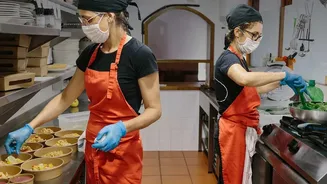
Beyond ingredients, two other major costs are squeezing restaurateurs: labour and rent. Together, these three categories—food, labour, and rent—can consume anywhere from 65% to 80% of total operating costs. Finding and retaining trained staff is a persistent challenge, and rising minimum wages, while necessary, add to the financial strain without an equivalent increase in productivity. Simultaneously, commercial rents in prime urban locations, especially in metros like Mumbai, Delhi, and Bengaluru, have seen steady annual increases. This creates a pincer movement where both the cost of the people serving the food and the cost of the space it's served in are constantly climbing.
The Digital Double-Edged Sword
The rise of food delivery apps has been both a blessing and a curse. While platforms like Swiggy and Zomato have expanded reach and provided a crucial lifeline, they come at a significant cost. These aggregators charge commissions that can range from 25-30% on every order. This means a restaurant that is profitable on its dine-in service might actually lose money on delivery orders. Adding to this are other digital costs: packaging, logistics fees, and the money spent on platform visibility to stand out in a crowded marketplace. More recently, the introduction of a Merchant Discount Rate (MDR) on certain UPI transactions adds another layer of expense, as digital payments now constitute the vast majority of transactions for many establishments.
Innovating to Survive
In response to this high-cost environment, restaurants are not just raising prices; they are getting smarter and more strategic. Many are streamlining their menus to focus on high-margin dishes and reduce ingredient waste. Some are embracing technology not just for delivery but for efficiency, using QR code ordering to reduce front-of-house staff costs and inventory management systems to track waste. The rise of cloud kitchens, which are 'ghost kitchens' focused exclusively on delivery, is another major adaptation. By eliminating the need for expensive dining spaces and front-of-house staff, these models significantly reduce overhead. Others are focusing on enhancing the dine-in experience, knowing that premium and memorable experiences encourage customers to spend more, helping to offset the narrower margins.