




Why Quarantine Is Non-Negotiable
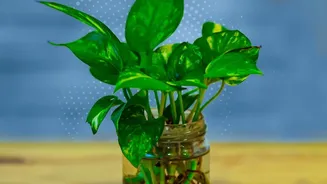
You've found the perfect plant at the nursery—a vibrant Fiddle Leaf Fig or a lush Money Plant—and you can't wait to find it a spot among your collection. But hold on. Most houseplant pest infestations start with a new arrival that looked perfectly healthy
at the store. Pests like spider mites, mealybugs, and scale, along with their eggs, are often invisible to the naked eye in their early stages. Skipping quarantine is like inviting a troublemaker into a peaceful home; it risks the health of every plant you already own. A few weeks of patience can prevent months of battling a full-blown infestation.
Step 1: Set Up an Isolation Zone
The first rule of plant quarantine is total separation. Find a spot for your new plant that is in a completely different room from your existing collection. A spare bathroom, a laundry room, or a corner of a guest bedroom can work perfectly. The key is to ensure there is no chance of pests crawling, flying, or being accidentally transferred from the new plant to your old ones. Fungus gnats can fly, and spider mites can travel on air currents, so simply placing the new plant on the other side of the room isn't enough. If a separate room isn't possible, some experts suggest placing the plant inside a large, clear plastic bag with ventilation holes, though this requires careful monitoring to avoid cooking the plant in direct sun.
Step 2: A Thorough Leaf and Stem Inspection
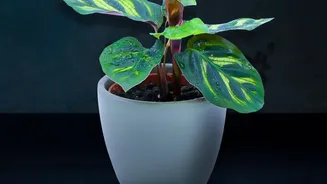
Once isolated, it’s time for a detailed check-up. Inspect every part of the plant, paying close attention to the undersides of leaves and the joints where leaves meet stems, as these are popular hiding spots for pests. Use a magnifying glass if you have one. Look for fine webbing, which signals spider mites. White, cotton-like fluff is a tell-tale sign of mealybugs. Small, brown, or tan bumps that can be scraped off with a fingernail are likely scale insects. Also, watch for discoloured leaves—yellowing, brown spots, or silvery streaks can indicate pests or diseases. A shiny, sticky substance on the leaves, known as honeydew, is a residue left by pests like aphids and scale.
Step 3: A Deep Dive Into the Soil and Roots
Pests don't just live on leaves; they often hide in the soil. Inspect the surface of the soil for any signs of movement, like tiny flying fungus gnats or crawling critters. Gently probe the top inch of soil. If you're comfortable, carefully slide the plant out of its nursery pot to examine the root system. Healthy roots should be firm and white or light-coloured. If you see brown, mushy, or stringy roots, or smell a foul, sewer-like odor, the plant may have root rot. While you have it out of the pot, check for pest eggs or larvae that might be hidden in the soil.
Step 4: Don't Forget the Pot Itself
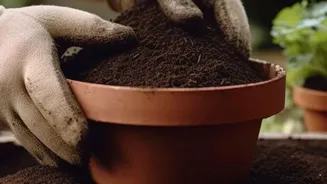
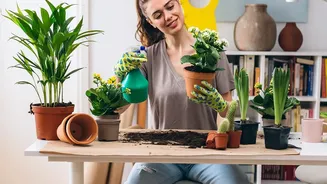
The pot is part of the package and should also be inspected. Check the rim, the crevices, and the drainage holes for any hiding pests. If you plan to repot the new plant, which is often a good idea, always use a clean pot. If you are reusing a pot, make sure to scrub it thoroughly with soap and water, and even a diluted bleach solution, to kill any lingering pathogens or pest eggs from previous inhabitants. It's also best to use fresh potting mix rather than reusing soil, which could harbour its own set of problems.
The Waiting Game: How Long to Quarantine
A quarantine period of two to four weeks is generally recommended. A minimum of two weeks allows enough time for the life cycles of many common pests, like spider mites, to progress to a visible stage. However, a longer quarantine of 30 to 40 days is safer, as some pests like scale have longer life cycles. During this time, continue to care for the plant as you normally would, providing appropriate light and water. Inspect it weekly for any changes. If you spot any pests during this period, you can treat the single plant without having to worry about an entire collection being affected.