


A Symphony of Water and Green
When the rains arrive in Jharkhand, the state famed for its mineral wealth reveals a different kind of richness. In the Kasmar block of Bokaro, about 50 kilometres from the district headquarters, Sevati Valley awakens. This is not a year-round attraction
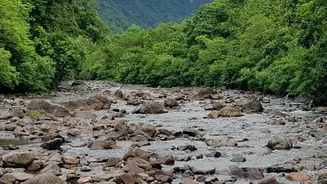
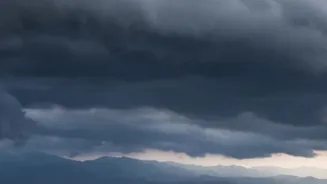
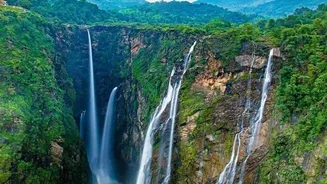
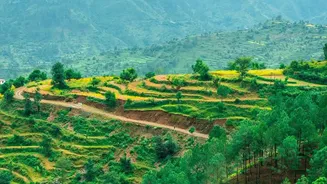
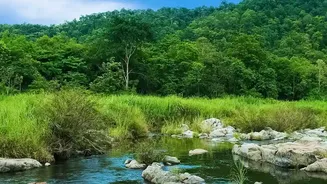
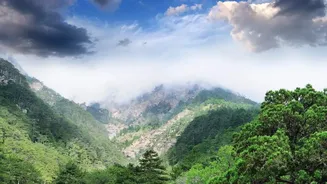
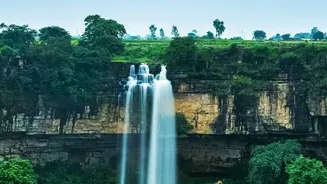
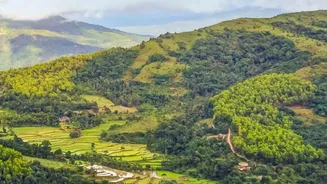
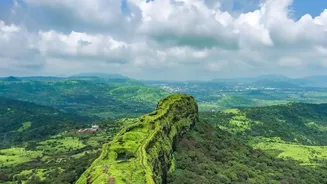
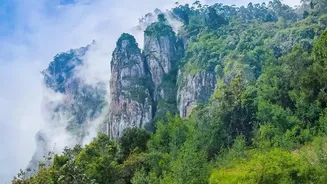
but a fleeting spectacle powered entirely by the monsoon. Hills cloaked in dense, fresh greenery become the backdrop for dozens of temporary waterfalls that cascade down their slopes. The most prominent among these, the Sevati waterfall, becomes a powerful white torrent, cutting a dramatic path through the landscape. Visitors describe a mesmerising scene where cloud-covered hills and countless streams create a vibrant, living panorama, turning the drive through the area into an experience in itself. The valley, located on the border of Jharkhand and West Bengal, becomes a magnet for nature lovers and photographers drawn to its ephemeral beauty.
From Local Secret to Tourism Prospect
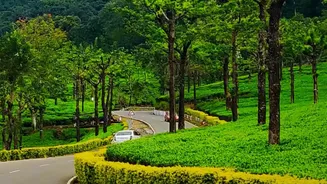
For years, Sevati Valley was a secret cherished by locals. It lies in the same region as the well-known Patratu Valley, famous for its winding roads and scenic dam, but has remained largely off the mainstream tourist map. However, recent monsoon seasons have seen a surge in visitors, with social media feeds filling up with images of its spectacular, rain-fed waterfalls. This growing popularity has not gone unnoticed. Local community leaders and residents are now voicing the need for development, seeing the valley's potential to become a significant attraction for Jharkhand and neighbouring West Bengal. While the state has been actively promoting other eco-tourism spots like Netarhat and has even launched a unique mining tourism circuit, Sevati's appeal is rooted in its raw, untouched natural charm. Its inclusion on the state's official tourism map is a first step, but the journey to becoming a fully-fledged destination has just begun.
The Path to Sustainable Discovery
The very wildness that makes Sevati Valley so alluring also presents its greatest challenge: a lack of infrastructure. Local leaders and visitors have called for basic amenities to enhance the experience and ensure safety. The demands include the construction of proper seating areas, clear signboards, sanitation facilities, and designated viewpoints to prevent accidents while people take photos. Developing the area responsibly is crucial. The goal is not just to attract tourists but to create livelihood opportunities for the local communities who call the valley home. By focusing on eco-tourism principles—preserving the natural environment while allowing for controlled access—Sevati can avoid the pitfalls of over-commercialisation. This approach would protect the pristine landscape while allowing visitors to experience its monsoon magic for years to come.
Planning Your Monsoon Visit
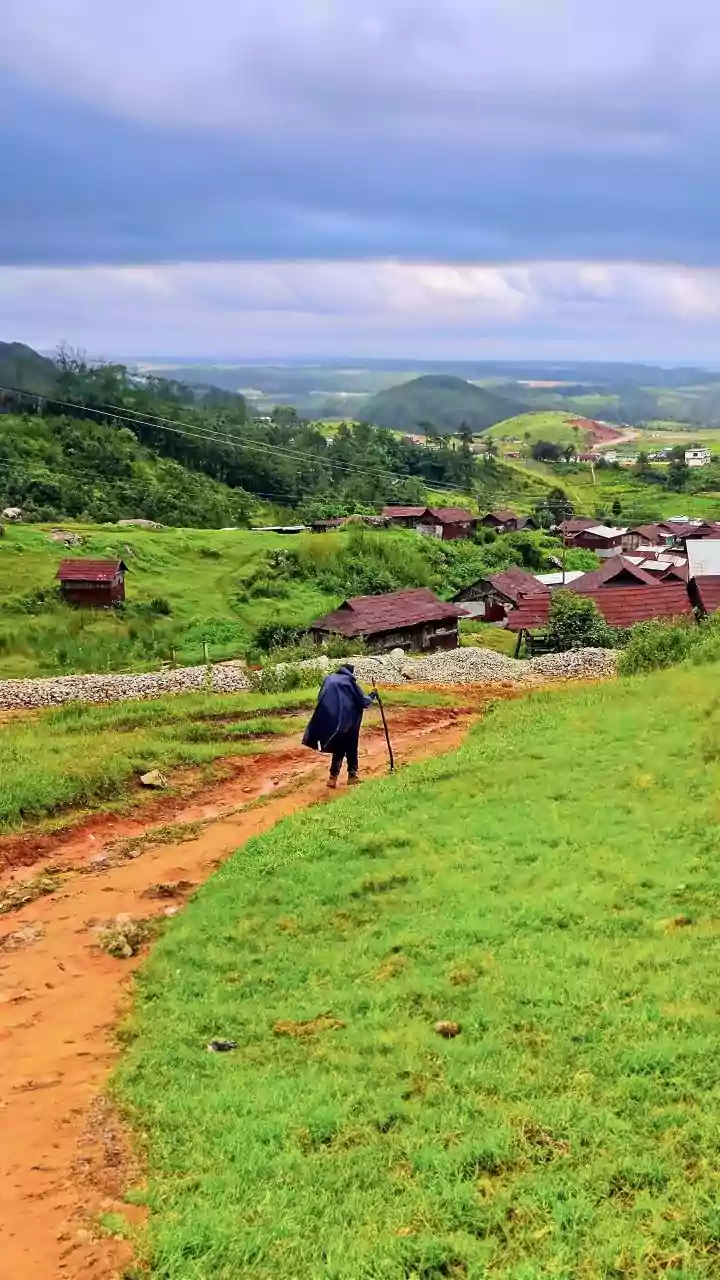
Experiencing Sevati Valley is all about timing. The spectacle is entirely dependent on the monsoon, typically making the period from July to September the prime window for a visit. It's a journey for the adventurous, as the terrain can be rugged. Located in the Kasmar block, it is accessible by road from Bokaro, the nearest major city. While the valley itself offers a raw, natural experience, visitors should not expect resort-style facilities. The trip is about immersing oneself in the dramatic landscape—the roaring waterfalls, the misty hills, and the overwhelming greenery. For those willing to embrace the journey, the reward is a glimpse of nature at its most powerful and poetic, a side of Jharkhand that is only just beginning to reveal its full splendour to the world.