



The Moon's Monthly Cycle
The Moon's phases are a reliable celestial rhythm. October begins with a waning moon, leading to the New Moon on October 10. This provides the darkest skies of the month, ideal for spotting faint stars and galaxies. The First Quarter moon arrives on October 18,
before the cycle culminates in the Full Moon on October 26. This month's full moon is traditionally known as the Hunter's Moon, named for the season of preparing for the colder months ahead.
Saturn at Its Brightest
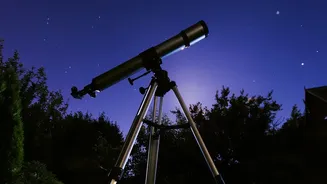
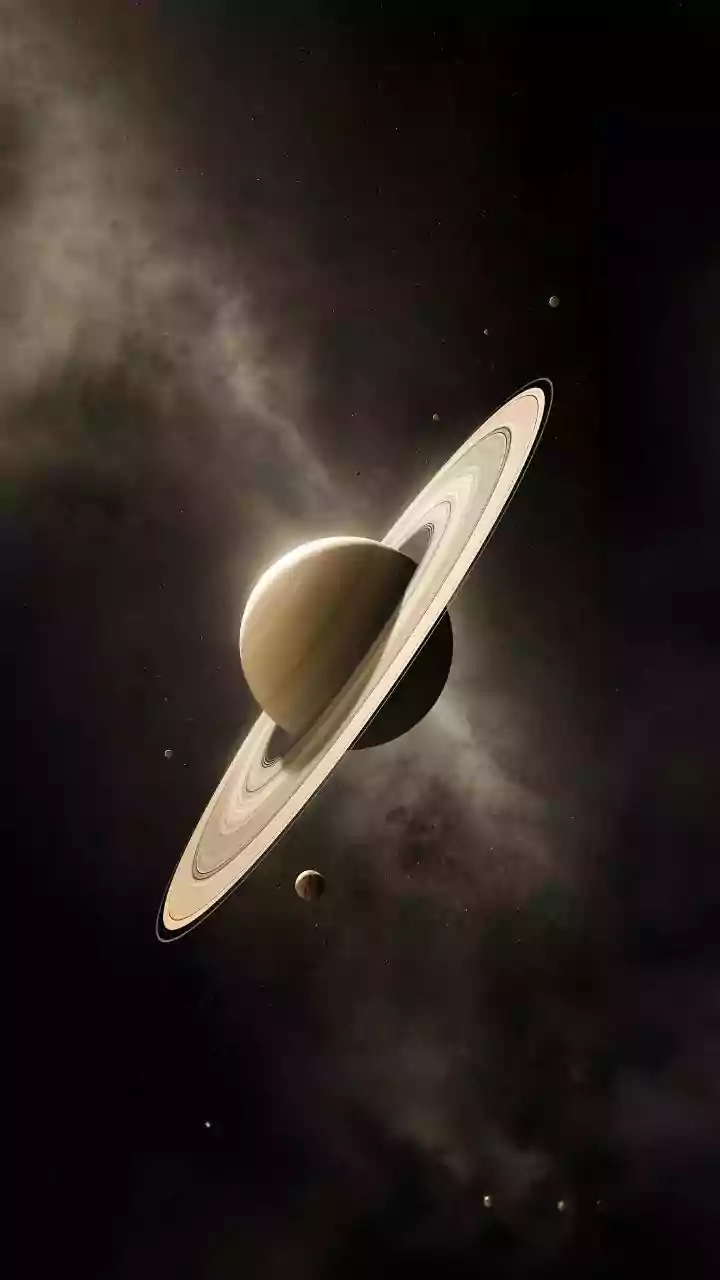
The highlight for planet-watchers this month is Saturn, which reaches opposition on October 4. When a planet is at opposition, Earth is positioned directly between it and the Sun, making the planet appear at its biggest and brightest for the year. The ringed planet will be visible all night long, rising around sunset and setting at sunrise. While it will look like a bright, steady star to the naked eye, a small telescope will reveal its iconic rings.
Morning Planets: Mars and Jupiter
Early risers are in for a treat, with both Mars and Jupiter gracing the pre-dawn sky. Jupiter, the brightest of the pair, will be easily visible in the eastern sky in the hours before sunrise. The red planet, Mars, will also be an early morning target, rising just after midnight. Watch for a beautiful conjunction on the morning of October 5, when the waning crescent Moon appears close to Mars, with both fitting in the same binocular field of view.
The Draconid Meteor Shower
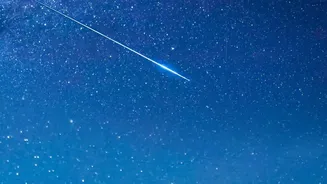
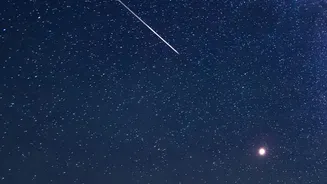
October hosts two meteor showers, starting with the Draconids. This shower peaks on the evening of October 8-9. Unlike most showers that are best after midnight, the Draconids are best viewed just after nightfall. The shower's timing is perfect this year, as the New Moon on October 10 means the sky will be dark and moonless, offering excellent viewing conditions. While it's typically a minor shower with about 5-10 meteors per hour, the Draconids are known for occasional, unpredictable bursts of activity.
The Orionid Meteor Shower
The second shower of the month is the famous Orionids, which peak on the night of October 21-22. Produced by debris from Halley's Comet, the Orionids are known for fast, bright meteors. At its peak, you can expect to see 15 to 20 meteors per hour under dark skies. A bright waxing gibbous moon will interfere with viewing in the evening, but it sets after midnight. For the best show, head out to a dark location in the pre-dawn hours after the moon has set.
Constellations to Find
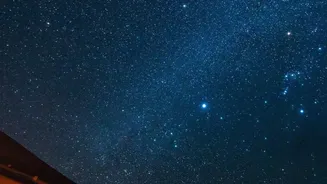
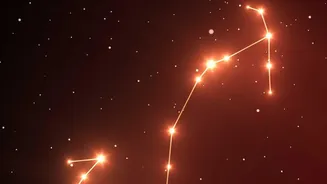
With the skies clear, it's a great time to learn some constellations. Look high overhead for the 'W' shape of Cassiopeia. From a truly dark location, you might use it as a guide to spot the faint, fuzzy patch of the Andromeda Galaxy, our closest major galactic neighbor. The great square of Pegasus will also be prominent in the evening sky. Later in the night, the familiar figure of Orion the Hunter, the radiant for the Orionid meteor shower, will begin its ascent in the east, heralding the coming winter skies.