






First Principles: No-Cost Habits for Immediate Relief
Before spending a single rupee, the most effective cooling strategies begin with personal habits. The Government of India has issued comprehensive advisories emphasizing hydration as a critical first step. Drink water frequently, even before you feel
thirsty, as thirst is a late indicator of dehydration. Traditional drinks like buttermilk, coconut water, and lemon water are also recommended. Plan your day to avoid the peak heat between noon and 3 p.m. If you must be outside, wear light-coloured, loose-fitting cotton clothing to reflect sunlight and allow air to circulate. Finally, eat lighter meals and focus on water-rich foods like cucumber and watermelon, while avoiding heavy, high-protein foods that increase metabolic heat.
The Universal Shield: Passive Cooling for Every Home
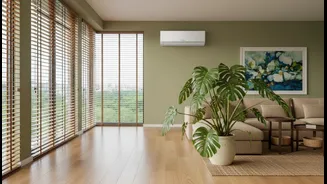
Passive cooling refers to techniques that cool your home without using active mechanical systems. The simplest and most effective method is managing your windows. Keep them closed and covered with curtains or blinds during the day to block direct sunlight, especially on east and west-facing walls. At night and in the early morning, open windows on opposite sides of the house to create cross-ventilation, flushing out the hot air accumulated during the day. Even placing a bowl of ice in front of a table fan can create a surprisingly effective DIY air cooler. Houseplants also contribute to a cooler environment through transpiration, acting as natural, mini humidifiers.
Smart Solutions for the Indian Renter
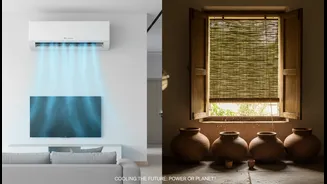
Renters often face restrictions on making permanent changes, but many effective solutions are temporary. Removable solar-reflective films can be applied to windows to reduce a significant amount of heat gain without altering the glass. External bamboo chicks or blinds are a traditional and affordable way to stop sunlight from ever hitting the window pane, which is far more effective than internal curtains. Ensure your ceiling fan is rotating counter-clockwise in the summer; this pushes air straight down, creating a wind-chill effect that can make a room feel cooler. For cooling, an energy-efficient air cooler is a great investment, consuming 6 to 10 times less electricity than an air conditioner and being highly portable.
A Homeowner's Edge: Investing in Long-Term Comfort
Homeowners can make more substantial investments that pay dividends in comfort and reduced energy bills for years to come. One of the most impactful upgrades is a 'cool roof'. Painting the roof with solar-reflective white paint can reduce heat absorption by up to 30% and lower indoor temperatures by several degrees. For a more durable solution, reflective tiles can be installed. Planting trees and creepers, especially on the west-facing side of a house, provides natural shade and cools the surrounding air through evapotranspiration. If building or renovating, consider reviving traditional architectural elements like 'jaali' screens, which provide shade and ventilation, or thicker walls with high thermal mass that absorb heat during the day and release it at night.
Using Appliances Wisely: From Fans to ACs
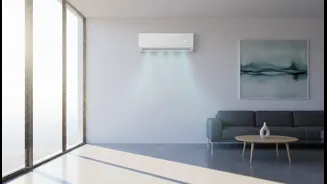
Active cooling is a necessity in extreme heat, but it can be used more efficiently. Air coolers are an excellent, low-energy option for India's dry heat, as they work by evaporating water. They are most effective when a window is left slightly open for ventilation. If using an air conditioner, the Bureau of Energy Efficiency (BEE) recommends setting the default temperature to 24°C, as every degree lower can increase energy consumption by 5-10%. Pairing the AC with a ceiling fan helps circulate the cool air, allowing you to feel comfortable at a higher thermostat setting. Regardless of the appliance, regular maintenance, such as cleaning AC filters, is crucial for efficient operation.