





Secure Your Containers
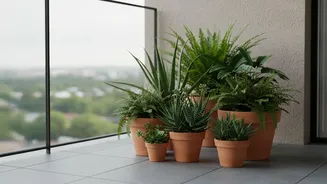
The first line of defence against strong winds is preventing your pots from becoming projectiles. Lightweight plastic pots are especially vulnerable. If you can't move them, make them heavier by placing bricks or flat rocks in the bottom before you add
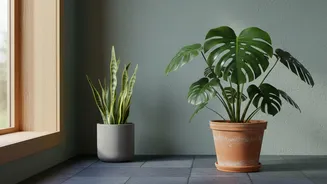
soil. For existing pots, clustering them together on the floor, especially in a corner or against a wall, can create a collective barrier that offers mutual support and stability. Heavy materials like terracotta or ceramic are naturally better at staying put. For railing planters, ensure the brackets are solid metal and securely fastened. It’s also wise to check that pot saucers fit snugly and won't be lifted by gusts of wind.
Move Vulnerable Plants Indoors
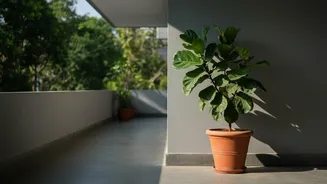
Not all plants can brave the elements. Your most delicate, top-heavy, or newly-potted plants should be brought inside before a storm hits. Identify a temporary indoor space for them near a window if possible. This includes hanging baskets, which are often the first victims of high winds. Even moving plants from the exposed edge of the balcony to a more sheltered spot against the apartment wall can make a significant difference, as this area is less affected by direct wind currents. A quick relocation is the surest way to protect your most prized green companions from being battered.
The Importance of a Tactical Trim
Pruning before a storm can seem counterintuitive, but it’s a crucial preventative measure. The goal is not a major haircut, but a strategic trim. Focus on removing any dead, broken, or weak branches that could easily snap off and damage the rest of the plant or become dangerous projectiles. Thinning out a dense canopy can also reduce wind resistance, allowing air to pass through rather than pushing against the plant like a sail. This light pruning makes the plant less top-heavy and more stable. However, avoid any severe pruning, as large, fresh cuts can make the plant more susceptible to disease in wet conditions.
Create a Windbreak
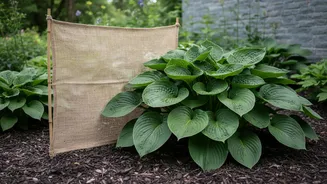
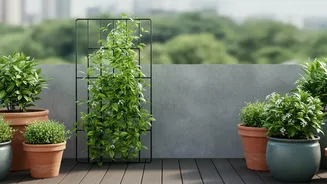
If your balcony is consistently windy, consider creating a windbreak. This doesn't have to be a permanent or expensive structure. Attaching bamboo, reed, or mesh screens to your railings can effectively diffuse strong gusts without completely blocking light and air circulation. In fact, a semi-permeable barrier is often better than a solid one, which can create more damaging turbulence. Even strategically arranging larger, hardier plants to shield smaller, more delicate ones can serve as a natural, green windbreak.
Manage the Monsoon Downpour
Heavy rain brings the risk of overwatering and root rot, especially for potted plants. First, ensure every pot has clear drainage holes. During the monsoon, it's helpful to raise pots off the ground using pot feet, bricks, or stands. This prevents them from sitting in puddles and allows water to drain away freely. Adjust your watering schedule; with regular rain, you'll need to water far less. Always check the soil moisture before reaching for the watering can. For plants that are sensitive to too much water, moving them under an overhang may be necessary.
Post-Storm Recovery
Once the storm has passed, it's time for damage control and care. Begin by pruning any newly broken or damaged branches to prevent disease and encourage healthy regrowth. Check your pots for waterlogged soil. If a pot is saturated, gently tip it to drain excess water. You might need to remove the mulch for a few days to help the soil dry out. Heavy rains can also wash away essential nutrients from the soil, so once it begins to dry, a dose of balanced fertiliser can help your plants recover their vigour. Be patient; many plants are surprisingly resilient and will bounce back with a little care.