




From Sightseeing to 'Feeling'
For decades, a successful trip was measured by the number of monuments visited and photos clicked. But a significant shift is underway, driven by India's Gen Z and millennial travellers. [12] They are trading rushed, multi-city itineraries for slower,
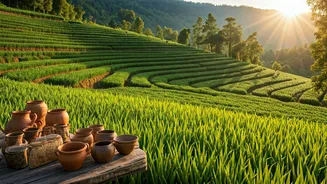
more meaningful journeys. [9] This new travel philosophy isn't about collecting postcards; it's about collecting stories. [11] 'Textured' travel means seeking authenticity over perfectly curated social media posts. [8] It's the difference between looking at a tea garden and staying on a plantation, learning from the community. It’s choosing a homestay over a hotel to share meals and stories with a local family, or learning a traditional craft from an artisan instead of just buying a souvenir. [11] This is a move from passive observation to active participation. [12]
What's Driving the Change?
Several factors are fuelling this desire for depth. In a digitally saturated world, there's a growing hunger for genuine connection and unfiltered moments. [11] Young travellers increasingly see their journeys as a form of self-expression, seeking destinations that reflect their personalities rather than just popular trends. [3] In fact, one report found that 90% of young Indian travellers actively seek out places that lack widespread online recommendations. [5] The rise of remote work has also enabled 'workations' and longer, more immersive stays, blurring the lines between living and travelling. [24] This flexibility allows for spontaneity, with many travellers intentionally leaving their itineraries open to allow for organic exploration. [3] Ultimately, this trend reflects a broader shift in priorities, where experiences are valued more than simple savings or material possessions. [2]
The Rise of the Offbeat and the Authentic
This search for texture is redrawing the map for young Indians. While international travel to visa-friendly and budget-conscious destinations like Vietnam and Sri Lanka is on the rise [21], there is also a powerful turn towards domestic exploration, or 'inward wanderlust'. [23] Travellers are venturing beyond hotspots like Goa and flocking to lesser-known corners of the country. Searches for Northeast India, for example, have surged. [22] Destinations offering unique cultural and natural experiences are in high demand. Think serene farm stays in Himachal, trekking to the heart-shaped lake at Chembra Peak in Wayanad, exploring the ancient ruins of Halebidu in Karnataka, or discovering the living root bridges of Meghalaya. [14, 27] The focus is on places that offer a real sense of discovery, far from the tourist crowds. [26]
Homestays and Farm Stays Over Hotels
A crucial part of this experiential shift is the choice of accommodation. The conventional hotel is no longer the default. A recent report revealed that when travelling in groups, more than half of Gen Z travellers prefer a shared home over separate hotel rooms, prioritising meaningful time together. [5] Farm stays and homestays are booming as they offer the privacy and space that hotels often lack, alongside a direct connection to local life. [29] These stays transform a trip into an immersive experience—guests might participate in farm activities, learn to cook local dishes, or simply engage in heartfelt conversations with their hosts. [27] Stays are no longer just a base; they are becoming the destination itself, chosen for the unique experience they provide. [19, 3]