







As temperatures drop, the familiar wave of coughs and sniffles arrives. It feels like an inevitable part of winter, but it isn't the cold weather itself that makes you sick. So, why do colds and flu seem to have a 'season'?
The Air We Breathe
One of the biggest factors is
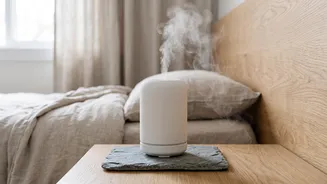
humidity, or the lack of it. Winter air is naturally drier, and indoor heating systems reduce moisture even further. This low humidity has a dual effect. First, it helps viruses survive and travel. When we cough or sneeze, we release virus-containing droplets. In humid summer air, these droplets are larger and heavier, causing them to fall to the ground quickly. But in dry winter air, the droplets shrink, allowing them to hang suspended for longer and travel farther, increasing the chances of being inhaled by someone else. Studies have shown that influenza retains its maximum infectivity at low relative humidity. Maintaining an indoor humidity above 40% can significantly reduce how infectious aerosolized viruses are.
A Stronger Shield for Viruses
It's not just that viruses travel better in the cold; some of them actually become more robust. Viruses like influenza are encased in a fatty outer layer called a lipid envelope. Research has found that in colder temperatures, this membrane can become more solid and rubbery. This tougher, more ordered shell acts like a protective shield, helping the virus remain stable and infectious for longer periods as it passes from one person to another. This enhanced stability gives the virus a better chance of surviving outside a host long enough to find a new one.
Our Body's Defenses Are Down
While the virus gets tougher, our body's first line of defense gets weaker. Inhaling cold, dry air has a direct impact on our nasal passages. Normally, the nose and throat are lined with a sticky layer of mucus designed to trap inhaled germs. Tiny hair-like structures called cilia then work like a conveyor belt to move this mucus and its trapped pathogens away. However, cold air can dry out these mucous membranes, making them less effective at trapping germs and even causing small cracks that give viruses an easy entry point. At the same time, the cold slows down the movement of the cilia, impairing this crucial clearing mechanism. One study found that even a small drop in nasal temperature can significantly reduce the local immune response.
Less Sun, Less Vitamin D
Winter also means shorter days and less time spent in the sun. This leads to lower levels of Vitamin D, often called the 'sunshine vitamin'. Vitamin D is more than just a bone-builder; it plays a critical role in modulating our immune system. It helps activate antimicrobial proteins that protect the lungs from infection and prevents an excessive inflammatory response. While it's not a magic bullet, research has long noted a link between Vitamin D deficiency and a higher risk of respiratory infections. Some studies suggest that people with low Vitamin D levels experience more colds and flu.
The Great Indoors Effect
Finally, there's the most straightforward reason: human behavior. When it's cold outside, we spend more time indoors, often in crowded, poorly ventilated spaces like offices, schools, and public transport. This close proximity makes it much easier for respiratory viruses, which typically spread within a sixnd foot radius, to jump from person to person. The combination of more people in enclosed areas and air that is being dried out by heating systems creates a perfect storm for transmission, allowing germs to spread efficiently through a population.