



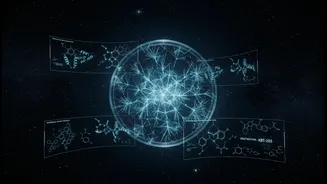

The Body’s Power Plants
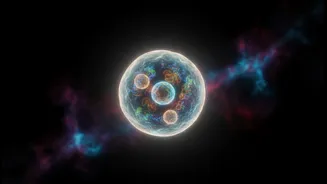
To understand the problem, we need a quick biology lesson. Inside almost every cell in your body are tiny structures called mitochondria. Often called the 'powerhouses' of the cell, their main job is to convert the food we eat into adenosine triphosphate
(ATP), the chemical energy that fuels everything from muscle contractions to neural signals. If your body were a city, mitochondria would be the power plants, working tirelessly to keep the lights on. When these power plants function poorly, the entire system is in jeopardy, leading to a cascade of health issues.
Space: A Hostile Environment for Cells
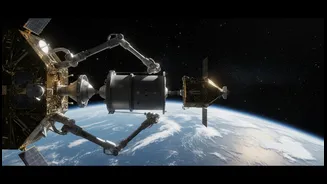
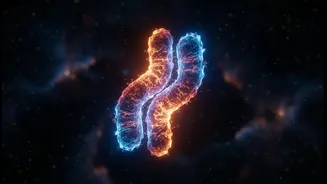
Long-duration spaceflight exposes the human body to a hostile one-two punch: microgravity and constant, penetrating space radiation. On Earth, gravity provides a constant load that our cells, particularly in muscles and bones, work against. In space, this loading vanishes, and cells can behave differently. Compounding this is the continuous exposure to galactic cosmic rays, high-energy particles that can damage cellular structures like DNA and, critically, mitochondria. Research consistently shows that this combined assault triggers significant mitochondrial stress and dysfunction.
A Body Under Siege
When mitochondria falter, the consequences for an astronaut's body are systemic and severe. Studies of astronauts, as well as extensive research on animals and cells aboard the International Space Station, paint a clear picture. The breakdown of mitochondrial energy production is linked to many of the well-known health risks of space travel. This includes rapid muscle atrophy and bone loss, cardiovascular issues, and a weakened immune system. For example, astronauts' immune cells show signs of exhaustion, potentially making them more susceptible to infections on long missions. Researchers have also noted vision problems, known as Spaceflight Associated Neuro-Ocular Syndrome (SANS), and increased oxidative stress—an imbalance that damages cells—all pointing back to mitochondrial health.
The Race for a Solution
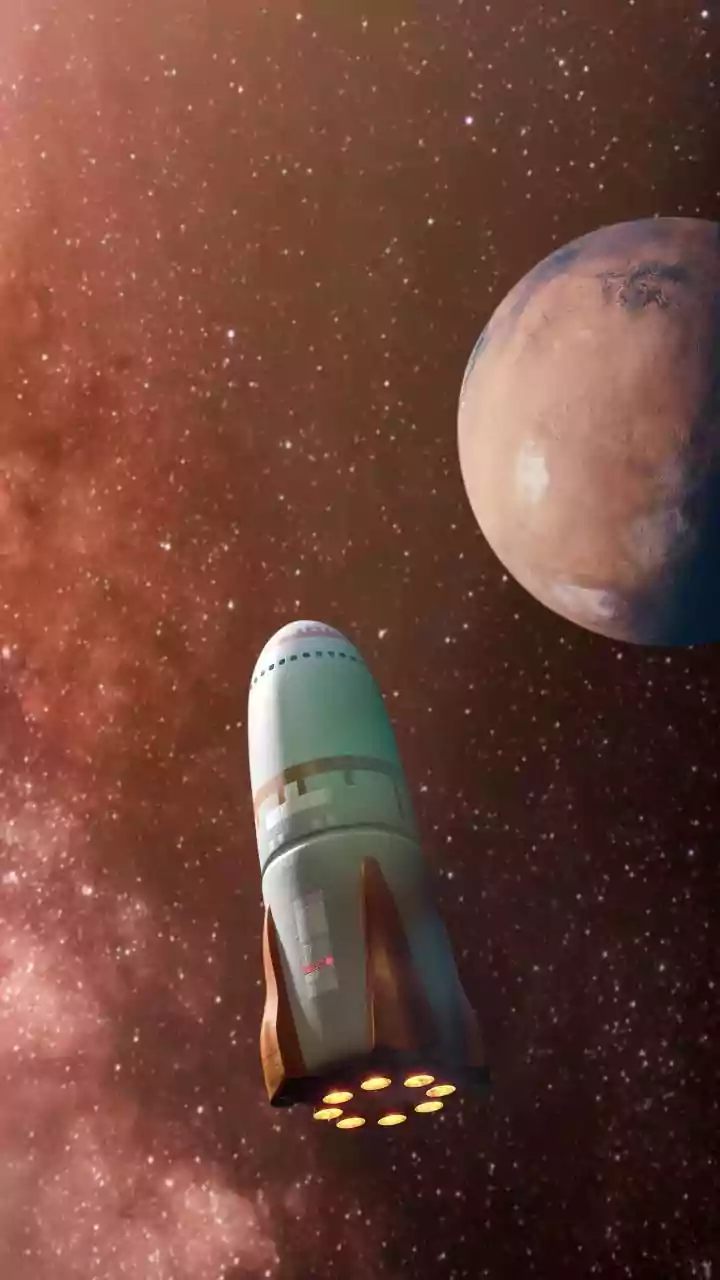
Solving the mitochondria problem is now a critical priority for enabling future missions to the Moon and Mars. Scientists are tackling this from multiple angles. One promising area is the development of countermeasures, which could include specialized diets and targeted nutritional supplements. For instance, studies are exploring antioxidants and compounds like kaempferol (found in plants like kale and berries) that may protect mitochondria and reduce damage. Another strategy involves personalized, long-term health monitoring to track mitochondrial function in real-time, allowing for early interventions. More futuristic concepts even propose 'mitochondrial transplant' therapies, where an astronaut's own healthy mitochondria could be harvested before a mission and used later to restore cellular function.