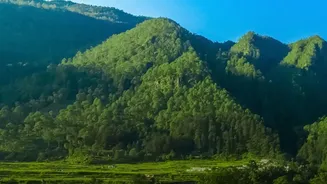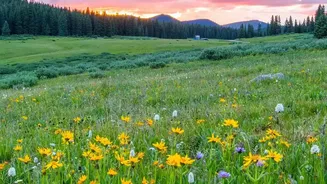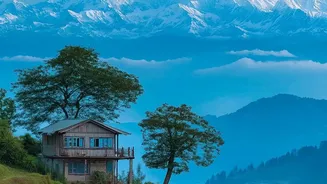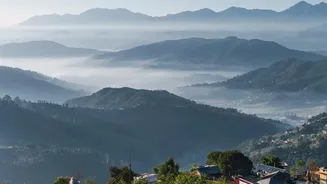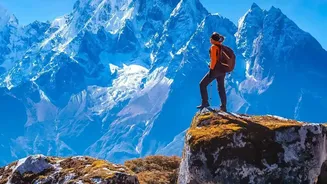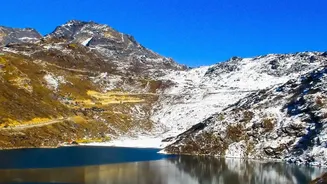


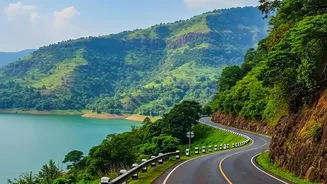
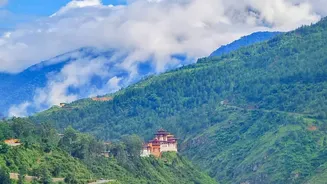
Beyond the popular circuits of Gangtok and Tsomgo Lake lies a quieter Sikkim. It’s a land of secluded valleys and pristine forests, accessible to those who travel with intention and a desire to connect, not just to see.
What is Mindful Travel in Sikkim?
Mindful travel is more than a buzzword;
it’s a conscious choice to travel slowly and responsibly. In Sikkim, this means respecting its fragile ecosystems and vibrant local cultures. The state has long been a leader in environmental consciousness, banning plastic bags decades ago and promoting organic farming. For travellers, this translates to simple but impactful actions: staying in locally-run homestays instead of large hotels, carrying reusable water bottles, asking for permission before photographing people, and hiring local guides who can share authentic knowledge. It means leaving a place not just as you found it, but with a positive impact by supporting the communities that protect these sacred landscapes.
Dzongu: A Sanctuary for Lepcha Culture
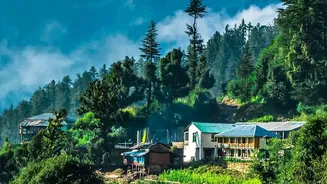
Tucked away in North Sikkim, Dzongu is a triangular region protected as an official reserve for the Lepcha community, the aboriginal inhabitants of Sikkim. This is not a typical tourist destination; access for non-Lepcha Indian nationals requires a special permit, which your homestay owner can help arrange. There are no hotels here, only the warm hospitality of Lepcha families who open their homes to guests. A visit to Dzongu is an immersion in a world of cascading waterfalls, dense bamboo groves, and ancient traditions. It is a place for village walks, listening to local stories, and marvelling at views of the Kanchenjunga range, all while supporting a unique cultural heritage.
Varsey: The Valley of Rhododendrons
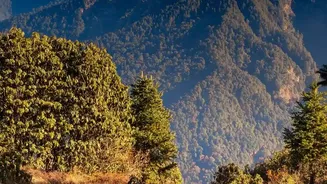
While Yumthang is famous for its floral displays, the Varsey Rhododendron Sanctuary in West Sikkim offers a more tranquil experience. The sanctuary is reached via a gentle 4-kilometre trek from the village of Hilley, making it accessible even to casual walkers. During the spring months of March and April, the entire forest erupts in a riot of red, pink, and white rhododendron blooms. The trail winds through a dense, moss-laden forest, with the silence broken only by birdsong. Staying overnight in a simple trekker's hut inside the sanctuary allows you to witness both sunset and sunrise painting the Kanchenjunga peaks in ethereal colours.
Rolep: A Riverside Hamlet in the East
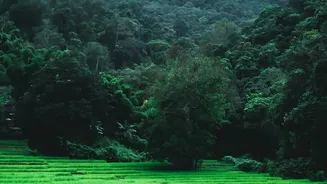
For those exploring the Old Silk Route region, Rolep is a serene riverside village that offers a peaceful alternative to the more crowded stops. Located on the banks of the Rolep Khola, this small hamlet is a haven for birdwatchers and those simply looking to unwind. Activities here are simple and grounding: trying your hand at angling for trout in the river, taking a dip near the Buddha waterfall, or enjoying a traditional hot stone bath. Homestays are the only accommodation, offering delicious home-cooked meals and an authentic glimpse into the daily life of a Sikkimese village, far from the tourist rush.
Kaluk and Rinchenpong: Quiet Views of Kanchenjunga
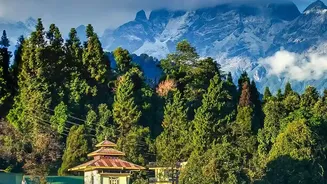
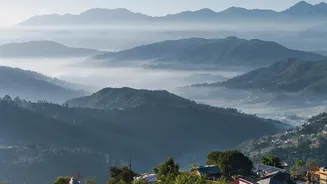
In West Sikkim, the twin villages of Kaluk and Rinchenpong offer some of the most spectacular, uninterrupted views of the Kanchenjunga massif without the crowds of Pelling. These villages are perched on a ridge, surrounded by forests and terraced fields. Rinchenpong is rich with history, home to ancient monasteries and a 'poison lake' with a fascinating local legend. The area is perfect for slow travel—leisurely nature walks through pine forests, birdwatching, and simply sitting back to watch the mountains change colour throughout the day. Opting for a homestay allows you to enjoy organic, farm-fresh meals and hear stories from local families.