






The Science of the Urban Heat Island
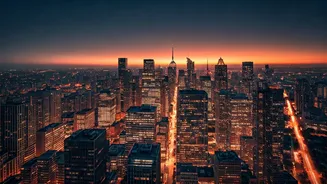
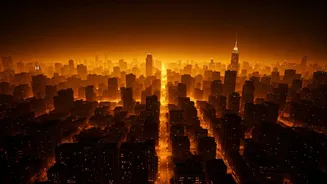
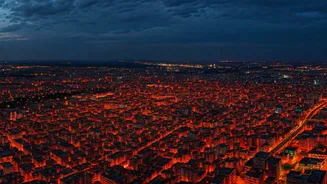
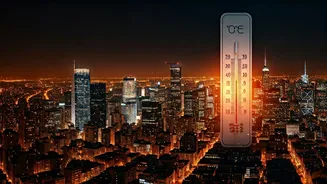
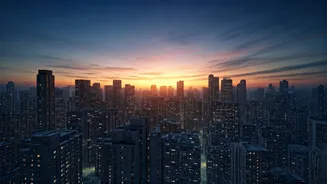
The core reason our cities fail to cool down is a phenomenon known as the Urban Heat Island (UHI) effect. It means that metropolitan areas are significantly warmer than the surrounding rural areas, a difference that becomes especially stark at night.
While the sun is the primary source of heat during the day, the materials that make up our cities are what trap that heat and prevent it from escaping after sunset. A study of 141 Indian cities found that nighttime temperatures in urban areas are rising at nearly double the rate of the rest of the country. Cities like Ahmedabad, Jaipur, and Delhi are among the most severely affected by this nighttime warming.
Our Cities are Built of Heat Sponges
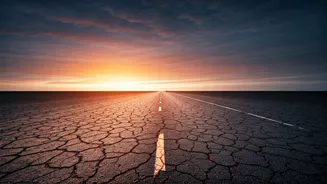
Think about what our cities are made of: concrete, asphalt, brick, and glass. These materials are excellent at absorbing and storing solar radiation throughout the day. Unlike natural surfaces like soil or grass that reflect more sunlight and cool down quickly, dark-coloured roads and dense building materials act like giant sponges for heat. After sunset, while the countryside begins to cool, these urban surfaces slowly release all the heat they've soaked up, keeping the ambient temperature uncomfortably high. This process, known as thermal radiation, is why you can feel heat coming off a brick wall or a paved road hours after dark.
Where Have the Trees and Lakes Gone?
Rapid and often unplanned urbanisation in India has led to the large-scale replacement of natural landscapes with man-made structures. Trees, which provide cooling shade and release moisture into the air through a process called evapotranspiration, have been removed to make way for roads and buildings. Similarly, lakes, ponds, and wetlands that once acted as natural air conditioners for cities have been encroached upon or filled in. This loss of green and blue spaces drastically reduces a city's natural ability to cool itself down. Studies show that green spaces can be several degrees cooler than nearby built-up areas, but most Indian cities fall short of the World Health Organization's recommendation for green cover.
The Trap of Urban Canyons
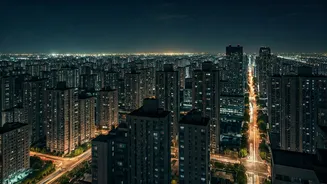
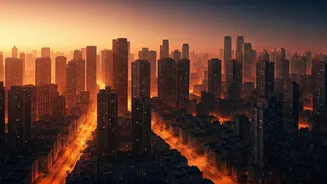
The very layout of modern cities contributes to the problem. Tall buildings packed closely together create what are known as "urban canyons." These canyons trap heat in two ways. Firstly, they limit airflow, preventing breezes from carrying away the hot air. Secondly, they reduce the "sky-view factor," meaning that heat radiating upwards from streets and lower floors gets trapped and reflected back down by the surfaces of adjacent buildings instead of escaping into the night sky. This design flaw turns dense neighbourhoods into inescapable heat traps, a problem particularly severe in low-income housing areas with poor ventilation and high population density.
Adding Fuel to the Fire
On top of all this, our daily activities generate a significant amount of 'waste heat'. The exhaust from millions of cars stuck in traffic, the hot air pumped out by air conditioning units, and the heat released from industrial processes all contribute to warming the urban environment. It's a vicious cycle: as the city gets hotter, more people turn on their ACs, which in turn release more hot air onto the streets, further increasing the overall temperature and creating a 'cooling divide' between those who can afford it and those who can't.