



A Brain in the Sky
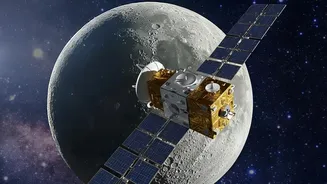
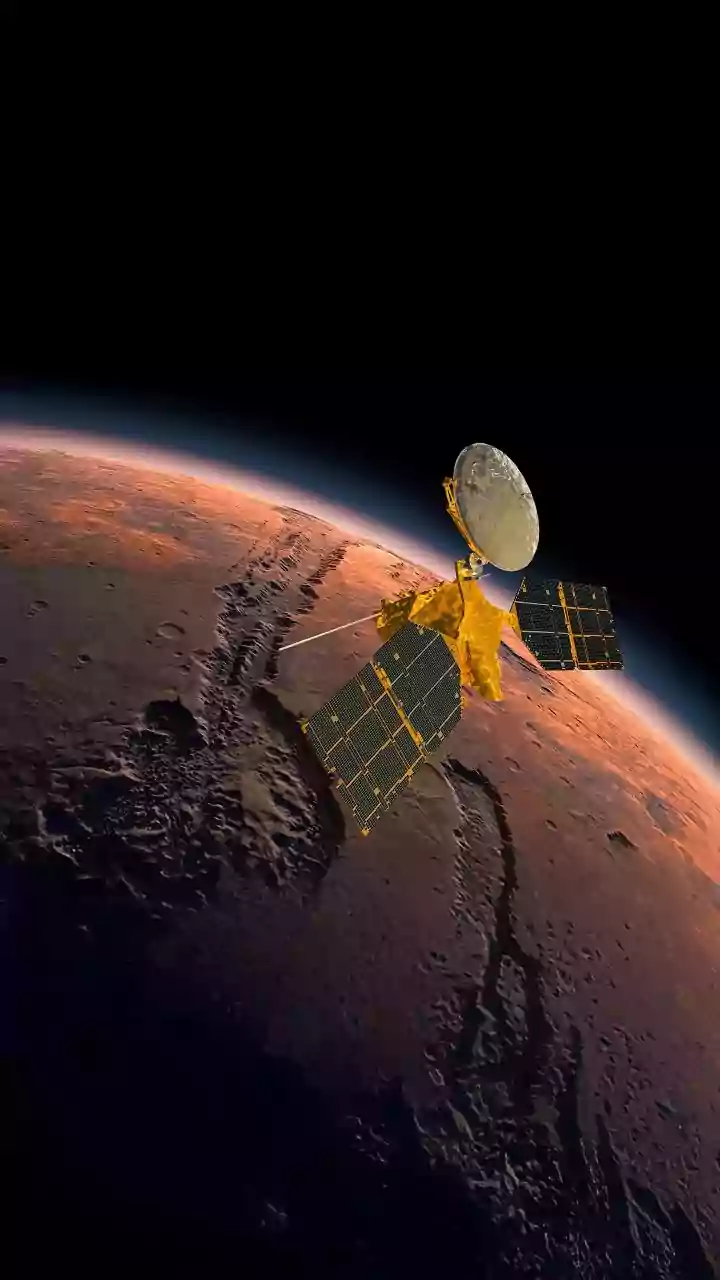
On October 1, 2026, Indian spacetech startup TakeMe2Space is scheduled to launch its MOI-1A satellite, an event marking a significant milestone for India's presence in the global tech race. Unlike traditional satellites that act as passive cameras, collecting
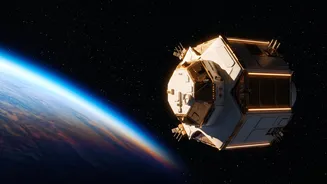
vast amounts of data to be sent back to Earth for analysis, MOI-1A is designed to be an 'orbital computing' platform. Weighing under 50 kg, this compact powerhouse is equipped with advanced Nvidia Orin NX chips, designed specifically for 'edge computing'—processing data right where it is collected. This means the satellite can run artificial intelligence models directly in space, analysing imagery and sensor data on the fly. This mission is a crucial step for the Hyderabad-based company, which is moving to commercial operations after a previous satellite was lost due to a launch vehicle failure.
The Problem with Big Data from Space
For decades, the model for Earth observation has been simple: capture everything, send it all back, and sort it out on the ground. This has created a massive bottleneck. Satellites generate petabytes of raw data, from high-resolution images to atmospheric readings, but downlinking this information is slow, expensive, and limited by available bandwidth and communication windows. Much of the transmitted data is also low-value—think images of cloud cover when you're trying to monitor deforestation. This inefficiency means that by the time data is processed on Earth, the critical window for action, such as in disaster response or defence, may have already passed. The traditional approach consumes enormous ground-based resources, from processing power to energy, creating a lag between data collection and actionable insight.
Edge Computing, But in Zero Gravity
MOI-1A represents a fundamental shift in this paradigm. By processing data in orbit, it essentially acts as an intelligent filter in the sky. Instead of transmitting terabytes of raw images, the satellite can use its onboard AI to analyse the data in real-time and send back only the results. For an agricultural client, this might be a concise alert on crop health in a specific region; for a disaster management agency, it could be the precise coordinates of a newly started wildfire. This is edge computing on its most remote frontier. The benefits are immense: radically reduced latency, lower data transmission costs, and faster decision-making. TakeMe2Space has already signed up 23 customers, spanning agriculture, mining, insurance, and mapping, who will upload their own AI models to the satellite for this purpose.
A New Trajectory for Indian Tech
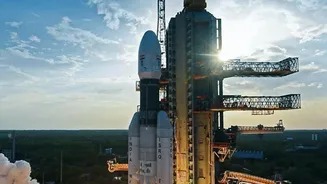
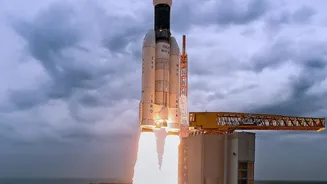
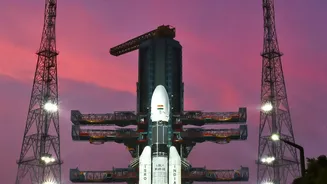
This launch isn't happening in a vacuum. It signifies a broader ambition within India's space ecosystem, which is increasingly being driven by private startups alongside the venerable Indian Space Research Organisation (ISRO). ISRO itself has confirmed it is studying the feasibility of in-orbit data centres and has made AI an essential component of its modern missions, including the successful Chandrayaan-3. Initiatives like MOI-1A, which are designed and largely built in India, align perfectly with the nation's 'Atmanirbhar Bharat' vision, aiming for self-reliance in critical technologies. By developing the capacity to process sensitive strategic or defence data in orbit, India reduces its reliance on foreign cloud infrastructure and strengthens its national security.
The Next Frontier of Computing
The concept of orbital computing is gaining global traction, with companies like SpaceX also exploring the potential of data centres in space. The advantages go beyond just data efficiency. Space offers a unique environment for computing: uninterrupted solar power and a natural vacuum that aids in cooling, which are two of the biggest challenges for terrestrial data centres. While MOI-1A is a compact edge computer rather than a full-fledged data centre, it is a crucial trailblazer. It validates the technology and business model, paving the way for future networked constellations of more powerful 'thinking' satellites. TakeMe2Space, along with other Indian startups like Pixxel, are not just launching satellites; they are laying the groundwork for a new computing infrastructure that exists beyond our atmosphere.