




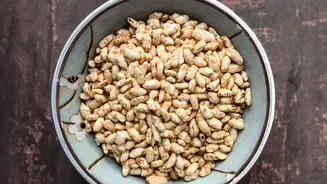
The Puffed Snack Showdown
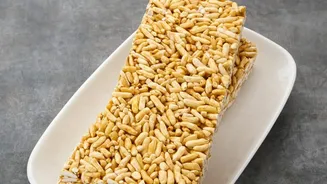
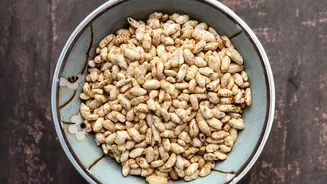
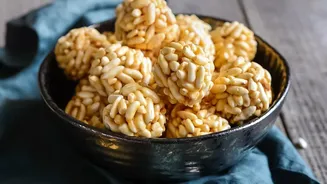
Puffed snacks are a go-to for many seeking a low-calorie crunch. Puffed rice, often seen in the form of 'murmura' or rice cakes, has been a pantry staple for decades. It's known for being light and easy on the stomach. On the other side, we have quinoa
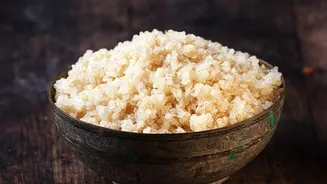
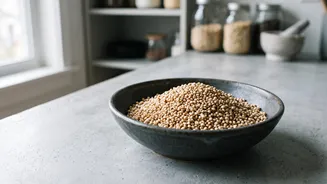
puffs, a relatively new entrant that has gained popularity among the health-conscious. Hailed as a superfood, quinoa brings its formidable nutritional reputation to the snack aisle. But does the puffing process preserve these benefits, and is it enough to dethrone the long-reigning puffed rice?
The All-Important Fibre Question
The headline gets right to the point, so let's tackle fibre first. Dietary fibre is crucial for digestive health, promoting feelings of fullness, and helping to manage blood sugar levels. When you compare the two, quinoa puffs generally come out on top. While specific values vary by brand, puffed quinoa typically contains significantly more fibre than puffed rice. For example, 100 grams of puffed quinoa can offer around 6-7 grams of fibre, whereas puffed rice often contains very little, sometimes less than 1 gram. This means a serving of quinoa puffs is more likely to keep you feeling satisfied for longer compared to an equivalent amount of puffed rice.
A Clear Winner in the Protein Department
Beyond fibre, protein is another area where the differences are stark. Quinoa is famous for being a complete protein, meaning it contains all nine essential amino acids that our bodies cannot produce on their own. This quality is retained even after the puffing process. Puffed quinoa can pack as much as 13-14 grams of protein per 100g serving. In contrast, puffed rice offers minimal protein, often just 1-2 grams per serving. For those looking for a snack that contributes to muscle repair, satiety, and overall nutritional goals, quinoa puffs have a distinct and significant advantage.
Calories and Carbohydrates
This is where puffed rice often makes its case. It is typically lower in calories and carbohydrates than puffed quinoa. A serving of puffed rice can be very light on the calorie count, which is why it's popular as a low-impact snack. However, it's important to consider the quality of those carbohydrates. Quinoa has a lower glycemic index (around 53) compared to most white rice varieties (which can be 70 or higher), meaning it releases sugar into the bloodstream more slowly. This leads to more stable energy levels and can be a better choice for blood sugar management, even if the total carb count is slightly higher.
Micronutrients Make a Difference
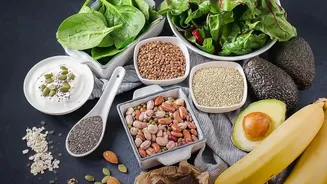
A snack is more than just its macros. Micronutrients—vitamins and minerals—play a vital role in our health. Here again, quinoa puffs shine. They are a good source of minerals like iron, magnesium, and manganese, which are essential for energy production and bone health. Puffed rice, particularly if made from refined white rice, has been stripped of many of these nutrients during processing. While some nutrients like folate might be added back to enriched rice, quinoa naturally provides a richer mineral profile overall, making it the more nutrient-dense option of the two.