






The Peacock’s Majestic Dance
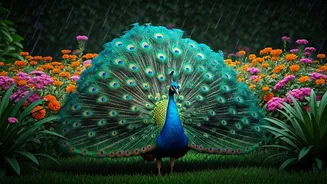
It’s the most iconic image of rain in India: a peacock, feathers unfurled in a shimmering, iridescent fan. But this isn't just a random display of beauty; it's a very practical, if theatrical, courtship ritual. The sound of thunder and the overcast, moody
lighting of a rainy day create the perfect stage. The low-frequency sounds of thunder, often inaudible to humans, are thought to be similar to the peacock’s own mating calls, prompting them to begin their performance. The damp air also makes their magnificent train of feathers heavier and more lustrous, catching the diffused light perfectly. The male struts, shakes his feathers to create a rattling sound, and shows off his ‘eyespots’ to the discerning peahen. It’s nature’s most glamorous rain-soaked song-and-dance number, a spectacle of survival and seduction all rolled into one.
The Earth's Perfume: Petrichor
You can’t see it, but it’s perhaps the most beloved rain lover of all. Petrichor, that earthy, soul-soothing scent that rises from the ground when rain first falls after a dry spell. This isn’t just the smell of wet dirt. It’s a complex perfume created by a trio of natural sources. The main note comes from a chemical called geosmin, produced by soil-dwelling bacteria called Streptomyces. These bacteria are prolific in dry soil, and when rain hits, the impact traps tiny air bubbles that then fizz upwards, carrying the geosmin aerosol into the air for us to inhale. This is blended with oils secreted by plants during dry periods, which accumulate on rocks and soil. The result is a scent so deeply pleasing that scientists believe our fondness for it is an evolutionary trait, passed down from ancestors who associated the smell with life-giving rain and an end to drought.
The Chorus of Singing Frogs
As dusk falls on a rainy evening, the silence is often broken by a sudden, enthusiastic chorus. This is the soundtrack of the monsoon, brought to you by countless frogs and toads. For amphibians, rain means everything. Their skin needs to stay moist, and standing water is essential for laying their eggs. The monsoon is their time to shine, and to be heard. Species like the Indian Bullfrog, which may have spent the dry months in a dormant state underground, emerge with gusto. The males inflate their vocal sacs—those balloon-like pouches on their throats—to produce loud, resonant calls. Each croak is a love song, an invitation to female frogs and a territorial warning to other males. The louder and more complex the call, the more attractive the male. It’s a full-throated, joyful symphony celebrating the perfect conditions for life and love.
The Monsoon Bloomers
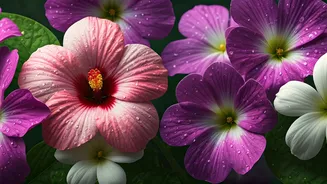
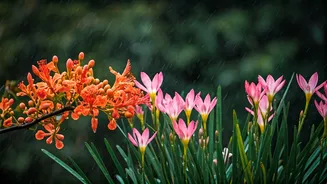
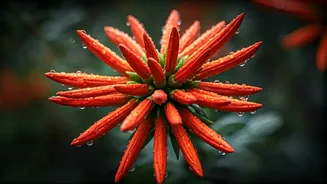
While many plants benefit from rain, some save their most spectacular show specifically for the monsoon. The fiery red-orange canopy of the Gulmohar (Delonix regia) and the stunning yellow chandeliers of the Amaltas (Cassia fistula), or Indian Laburnum, often reach their peak glory just as the rains begin, their fallen petals carpeting the streets in colour. But other, more subtle beauties also emerge. Look for the delicate, star-like Rain Lilies (Zephyranthes) that seem to pop up overnight in gardens and grassy patches after a good shower. Their name is no coincidence; the sudden drenching of water after a dry period triggers them to bloom almost instantaneously. These flowers are ephemeral, lasting only a day or two, making their sudden, synchronised appearance a fleeting and magical gift of the monsoon.
The Glow of the Forest Floor
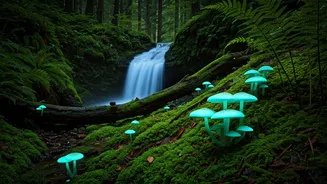
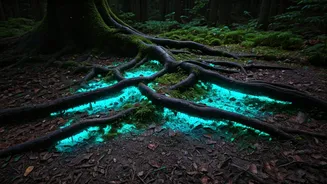
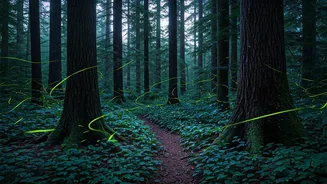
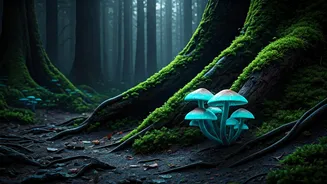
Perhaps the most enchanting and mysterious rain lover is one you can only see in the dark. In the dense, damp forests of the Western Ghats and other humid regions, the monsoon awakens bioluminescent fungi. These fascinating organisms, often called 'foxfire', feed on decaying wood. As they break down the lignin and cellulose, a chemical reaction involving a compound called luciferin produces a steady, cool, greenish light. During the monsoon, the high moisture content creates the perfect environment for these fungi to fruit and glow. Walking through a forest at night, you might see entire logs or patches of leaf litter glowing with an eerie, otherworldly light. It’s a silent, luminous celebration of decay and rebirth, a secret spectacle that reminds us that even in the darkest, wettest corners, nature is putting on a show.