







What is Fermented Rice Water?
Fermented rice water is more than just the cloudy liquid left after rinsing rice. It's a tonic made by soaking cooked rice in water and allowing it to ferment, typically overnight or for up to 24-48 hours. [1, 8] This process transforms the simple starchy
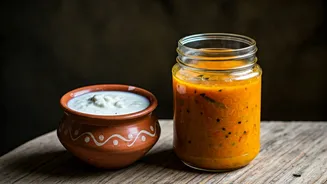
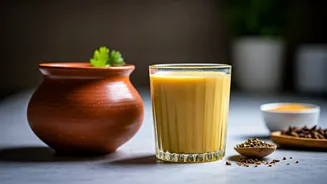
water into a beverage teeming with beneficial microorganisms. In many parts of India, particularly the South, this drink is known as Kanji or Neeragaram and has been a staple for generations, valued for preventing food waste and providing a nutritious start to the day. [2, 13] Traditionally made with leftover rice, it’s a cost-effective and simple preparation that has been part of cultural diets long before probiotics became a wellness buzzword. [1, 2]
The Probiotic Powerhouse Explained
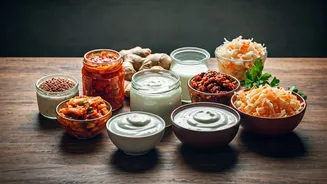
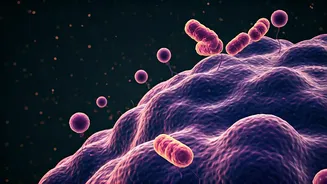
The magic of fermented rice water lies in the fermentation process. [8] Natural bacteria, particularly Lactic Acid Bacteria (LAB) like Lactobacillus, feast on the carbohydrates in the rice. [4, 8] As these bacteria multiply, they produce beneficial compounds, turning the water into a rich source of natural probiotics. [4, 10] Unlike some store-bought supplements, this drink contains live, active bacteria. [1] Scientific studies have identified several probiotic strains in traditionally fermented rice, including various species of Lactobacillus, Lactococcus, and Weissella, all known to support a healthy gut. [4, 10, 13] These probiotics are the 'good bacteria' that help maintain a balanced intestinal environment, which is crucial for overall health. [1, 6]
So, Can It Really 'Heal' Your Gut?
The phrase 'major healing' is strong, but the science behind fermented rice water's benefits for gut health is promising. The probiotics it contains can help improve digestion, reduce bloating, and promote regular bowel movements. [2, 3] Some research suggests these beneficial bacteria can strengthen the gut lining and reduce inflammation, which is linked to issues like leaky gut syndrome. [1] Studies conducted in India have shown that consumption of fermented rice porridge (kanji) helped improve symptoms in patients with Irritable Bowel Disease (IBD) and Irritable Bowel Syndrome (IBS). [12, 13, 19] One study noted that 30% of IBD patients were completely cured after six months of regular consumption. [12] However, it's not a magic cure-all. Instead, think of it as a powerful tool to support and maintain a healthy gut microbiome. [13]
More Than Just Gut Health
The benefits of fermented rice water extend beyond digestion. It's an excellent source of hydration, making it a perfect drink for hot and humid weather. [3] The fermentation process also enhances its nutritional profile, making it a source of B vitamins and minerals like potassium and magnesium. [2] Traditionally, it’s seen as a drink that provides an instant energy boost, thanks to the easily digestible carbohydrates. [3] Some proponents also claim it can improve skin health, attributing a healthy glow to its detoxifying properties and the 'gut-skin axis'—the idea that a healthy digestive system reflects on your skin. [2, 3]
How to Make It Safely at Home
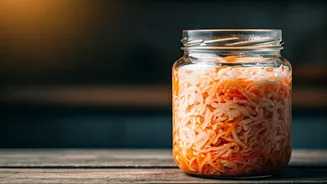
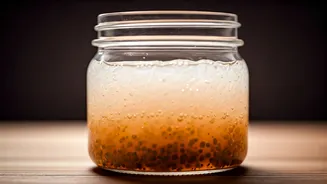
Making your own fermented rice water is simple, but safety is key to avoid contamination with harmful bacteria. [9, 21] Start with one cup of cooked rice (leftovers are perfect) in a clean clay pot or glass jar. [8, 12] Add about two cups of filtered water, cover the container with a breathable cloth or a loose lid, and let it sit at room temperature for 8 to 24 hours. [8, 21] The fermentation time depends on your climate; it's faster in warmer weather. [12] The water will become slightly cloudy and have a tangy smell when ready. [9] If it develops an unusual color or a rancid smell, discard it immediately. [9] You can drink the water, and many traditions also involve eating the mashed rice. [12]
A Word of Caution
While generally safe for most healthy individuals, there are a few things to keep in mind. Due to its carbohydrate content, people with diabetes should consume it with caution. [5] Because it's a fermented product, there's always a risk of contamination if not prepared hygienically. [5, 16] It's best to start with small quantities to see how your body reacts. [5] Overconsumption could potentially displace more nutrient-dense foods in your diet. Think of it as a supplement to a balanced diet, not a replacement for meals.